
Regulator Manufacturer Tel: +86 13380377051
Regulator Manufacturer Tel: +86 13380377051
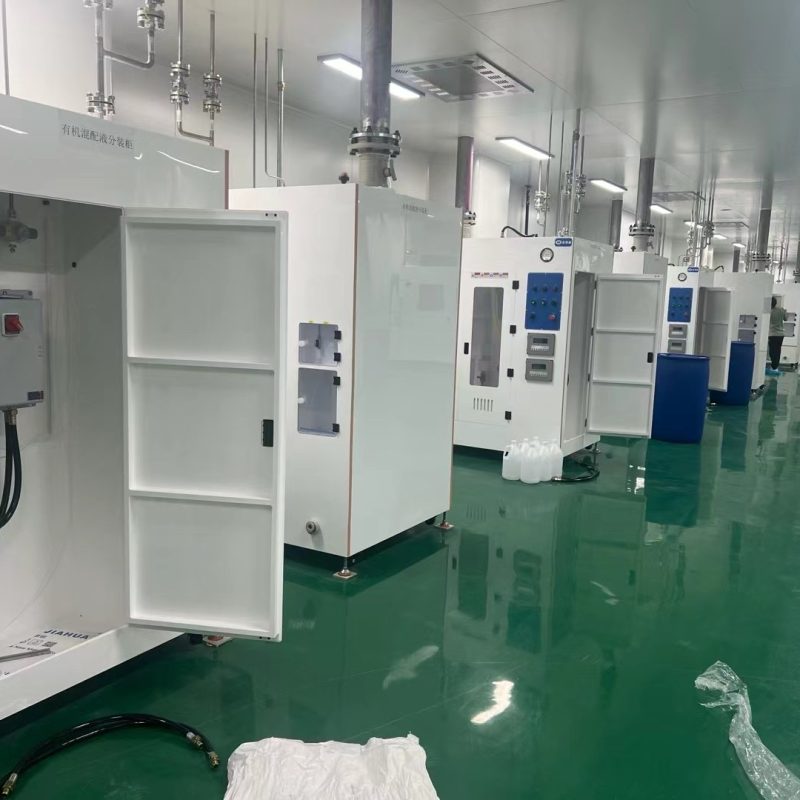
What Are Corrosive Gas Valves? Types, Features, and Industrial Applications Explained
In modern industrial systems, the safe and efficient handling of gases is critical, especially when those gases exhibit corrosive properties. Corrosive gases—such as chlorine, hydrogen chloride, ammonia, and various acidic or halogen-based compounds—can degrade materials, compromise system integrity, and pose serious safety risks. To manage these challenges, specialized components known as corrosive gas valves are used.
This article provides a comprehensive technical overview of corrosive gas valves, including their definition, key types, structural features, material considerations, and their critical role across industries such as semiconductor manufacturing, chemical processing, and energy production.
What Is a Corrosive Gas Valve?
A corrosive gas valve is a precision-engineered device designed to control, regulate, or isolate the flow of gases that can chemically react with and degrade standard materials. Unlike conventional valves, these valves are built using corrosion-resistant materials and are designed to maintain sealing integrity under harsh chemical environments.
The primary functions of corrosive gas valves include:
- Flow control: Adjusting the rate of gas movement within a system
- Shut-off/isolation: Completely stopping gas flow when required
- Pressure regulation: Maintaining stable system pressure
- Leak prevention: Ensuring hazardous gases do not escape into the environment
Because corrosive gases can attack metals, elastomers, and sealing components, the design of these valves emphasizes durability, chemical compatibility, and long-term reliability.
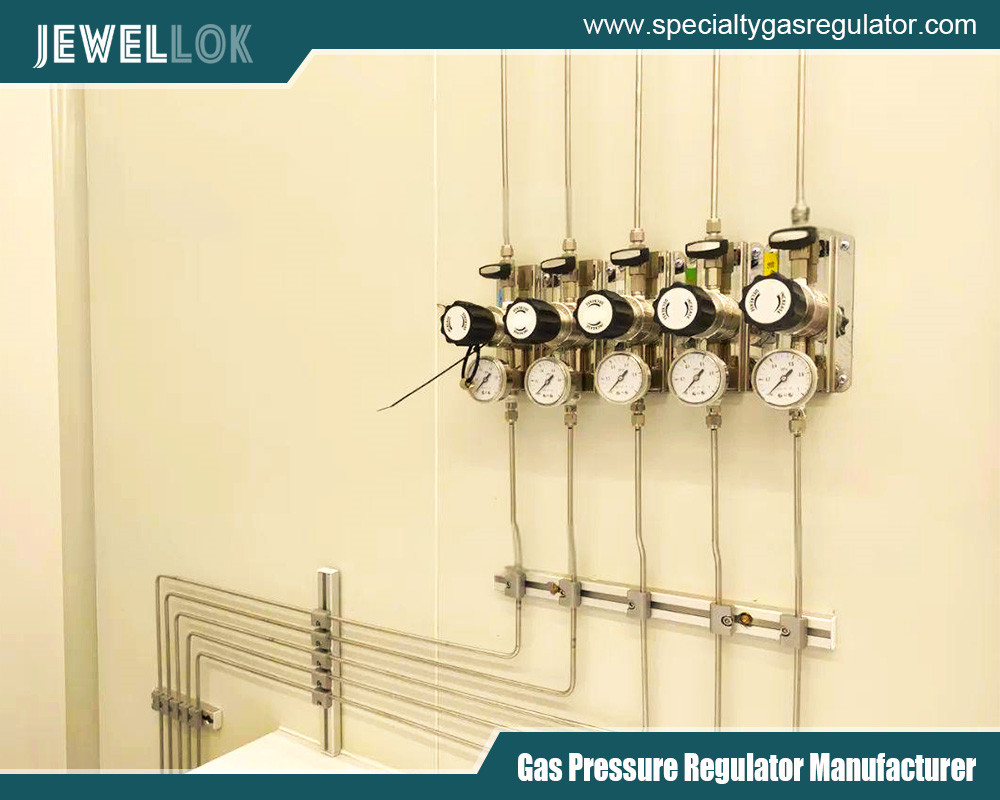
Types of Corrosive Gas Valves
Corrosive gas valves come in several types, each tailored for specific applications and operating conditions.
1. Diaphragm Valves
Diaphragm valves are among the most widely used valves for corrosive gas applications, especially in high-purity environments.
Working Principle:
A flexible diaphragm separates the gas from the valve’s mechanical components. When actuated, the diaphragm moves up or down to control flow.
Advantages:
- Excellent leak-tight performance
- Minimal dead volume (important for high-purity systems)
- Isolation of gas from moving parts
- Suitable for ultra-high purity (UHP) applications
Typical Applications:
- Semiconductor gas delivery systems
- Pharmaceutical processing
- Specialty gas handling
2. Bellows-Sealed Valves
Bellows-sealed valves use a metal bellows to create a hermetic seal between the process fluid and the external environment.
Working Principle:
The bellows expands or contracts to allow valve operation while maintaining a sealed barrier.
Advantages:
- Zero leakage to atmosphere
- Long service life under cyclic conditions
- Ideal for toxic and hazardous gases
Typical Applications:
- Nuclear facilities
- Chemical plants
- Gas cabinets and distribution panels
3. Ball Valves with Corrosion-Resistant Coatings
Ball valves are used for quick shut-off applications and are often coated or lined to resist corrosion.
Features:
- Fast operation (quarter-turn mechanism)
- High flow capacity
- Coatings such as PTFE, PFA, or ceramic for corrosion resistance
Limitations:
- Not ideal for ultra-high purity systems
- Potential for dead zones where contaminants may accumulate
Typical Applications:
- Bulk chemical handling
- Industrial gas pipelines
4. Needle Valves
Needle valves provide precise flow control and are commonly used in analytical and instrumentation systems.
Working Principle:
A tapered needle-like plunger fits into a seat, allowing fine adjustment of flow.
Advantages:
- High precision control
- Suitable for low flow rates
- Compact design
Typical Applications:
- Laboratory gas systems
- Calibration equipment
- Sampling systems
5. Check Valves
Check valves prevent backflow, which is critical in systems handling reactive or corrosive gases.
Advantages:
- Automatic operation
- Protects equipment from contamination
- Enhances system safety
Typical Applications:
- Gas distribution networks
- Chemical processing lines
Key Features of Corrosive Gas Valves
Corrosive gas valves are engineered with several specialized features to ensure safety and durability.
1. Corrosion-Resistant Materials
Material selection is the most critical aspect. Common materials include:
- Stainless steel (316L, 316L VAR): Widely used due to its corrosion resistance and mechanical strength
- Nickel-based alloys (e.g., Hastelloy): Suitable for highly aggressive environments
- Fluoropolymers (PTFE, PFA): Excellent chemical resistance for seals and linings
2. High-Purity Surface Finishing
In industries like semiconductors, internal surfaces are electropolished to reduce roughness and prevent particle generation. Typical surface roughness values are:
- Ra ≤ 0.25 μm for standard high-purity systems
- Ra ≤ 0.13 μm for ultra-high purity applications
3. Leak-Tight Sealing
Leak prevention is essential when dealing with toxic or corrosive gases. Advanced sealing technologies include:
- Metal-to-metal seals
- Elastomer seals with chemical compatibility
- Welded connections for zero-leak systems
4. Pressure and Temperature Resistance
Corrosive gas valves must withstand a wide range of operating conditions:
- High pressures (up to several hundred bar in some systems)
- Extreme temperatures (cryogenic to high-temperature environments)
5. Cleanroom Compatibility
For semiconductor and pharmaceutical industries, valves must be manufactured and assembled in cleanroom environments to avoid contamination.
Design Considerations
When selecting or designing a corrosive gas valve, engineers must consider several factors:
1. Chemical Compatibility
The valve materials must be compatible with the specific gas to prevent degradation or contamination.
2. Flow Characteristics
Different applications require different flow control characteristics, such as linear or equal percentage flow.
3. Maintenance Requirements
Valves should be designed for minimal maintenance, especially in hazardous environments where servicing is difficult.
4. Safety Standards and Certifications
Compliance with international standards is essential, including:
- ISO standards for pressure equipment
- SEMI standards for semiconductor applications
- ASTM material standards
Industrial Applications
Corrosive gas valves are indispensable across multiple industries.
1. Semiconductor Manufacturing
In semiconductor fabrication, ultra-high purity gases such as silane, ammonia, and hydrogen chloride are used. Even minor contamination can affect wafer quality.
Role of Valves:
- Ensure contamination-free gas delivery
- Maintain precise flow control
- Prevent leaks in toxic gas systems
2. Chemical Processing Industry
Chemical plants frequently handle aggressive gases such as chlorine, sulfur dioxide, and hydrogen fluoride.
Applications:
- Reactor feed systems
- Gas distribution pipelines
- Storage and transfer systems
3. Energy and Power Generation
In energy sectors, corrosive gases are encountered in processes like:
- Flue gas treatment
- Hydrogen production
- Carbon capture systems
Valves must withstand harsh environments while ensuring operational safety.
4. Pharmaceutical and Biotechnology
High-purity gases are used in sterile environments, requiring valves that meet stringent cleanliness standards.
Requirements:
- Sanitary design
- Easy cleaning and sterilization
- Contamination prevention
5. Environmental and Gas Treatment Systems
Corrosive gas valves are used in systems designed to control emissions and treat hazardous gases.
Examples:
- Scrubber systems
- Waste gas treatment units
- Air pollution control systems
Challenges and Future Trends
1. Increasing Demand for Ultra-High Purity
As semiconductor nodes shrink and advanced manufacturing evolves, the demand for ultra-high purity gas systems continues to grow, driving innovation in valve design.
2. Advanced Materials Development
New alloys and coatings are being developed to improve corrosion resistance and extend service life.
3. Automation and Smart Valves
Integration with digital control systems allows for real-time monitoring, predictive maintenance, and enhanced safety.
4. Sustainability Considerations
Industries are increasingly focusing on reducing emissions and improving energy efficiency, requiring more reliable and efficient valve solutions.
Conclusion
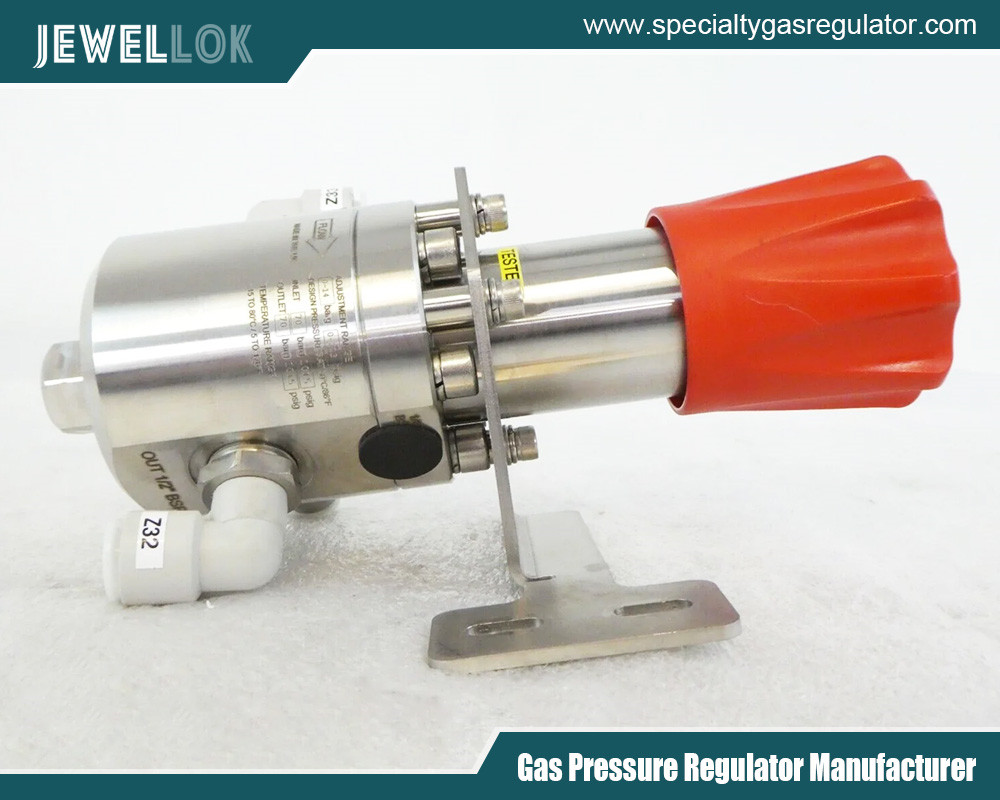
Corrosive gas valves are critical components in modern industrial systems, enabling the safe and efficient handling of aggressive gases. Their specialized design, material selection, and precision engineering distinguish them from conventional valves.
From diaphragm valves used in semiconductor fabs to bellows-sealed valves in chemical plants, each type plays a vital role in ensuring system integrity and safety. As industries continue to demand higher performance, reliability, and purity, the development of advanced corrosive gas valves will remain a key area of innovation.
Understanding their types, features, and applications is essential for engineers, procurement specialists, and industry professionals involved in gas handling systems.
For more about what are corrosive gas valves? Types, features, and industrial applications explained, you can pay a visit to Jewellok at https://www.specialtygasregulator.com/product-category/uhp-liquid-delivery-system/ for more info.
-
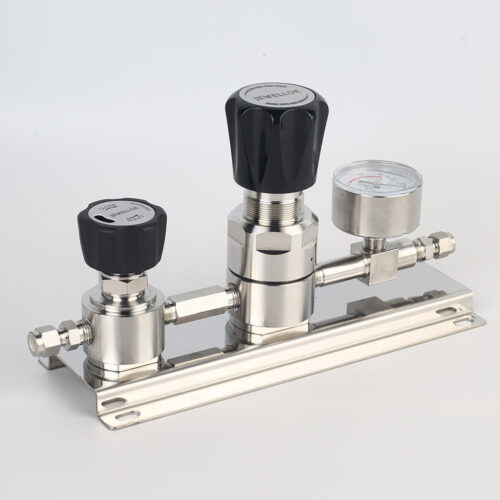
High Purity High Flow Pressure Control Regulators & Valves Gas Stick Assemblies JSR-2TG Series
-
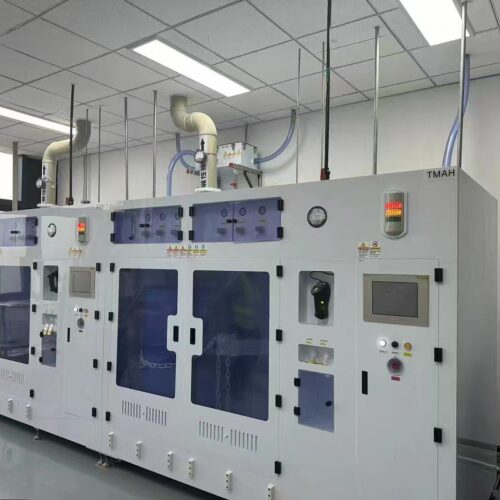
Integrated Bulk Chemical Delivery System and Automatic CDU Solutions for Safe Hazardous Chemical Fluid Handling
-
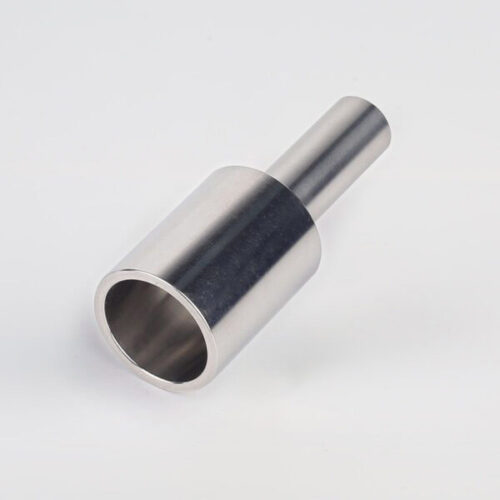
316L Stainless Steel Tube Butt Weld Reducing Fittings Union Reducer RW Series Ultrahigh Purity Process
-
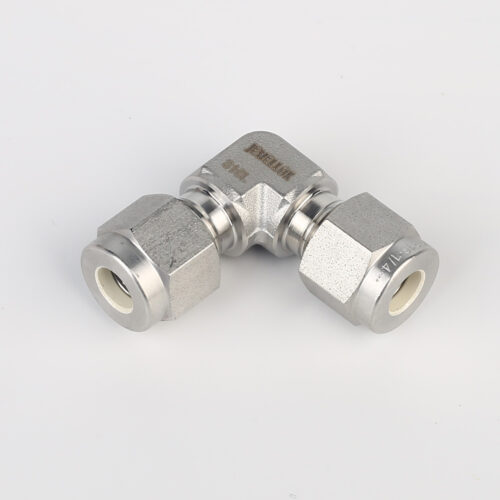
765L Stainless Steel Union Elbow Reducing High Purity Fitting Tubing Extension Tubing Connection
-
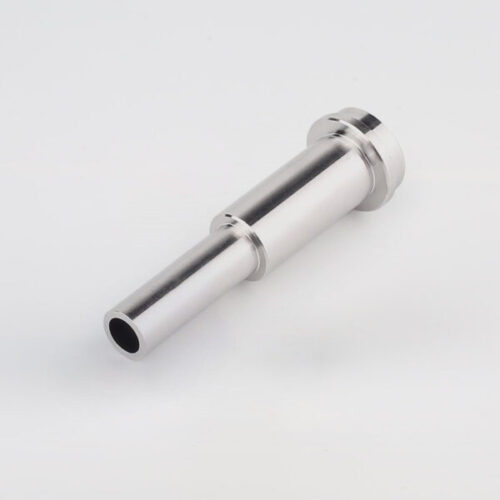
Long Gland LG Series For Ultra High Purity Gas And Chemical Delivery Systems
-
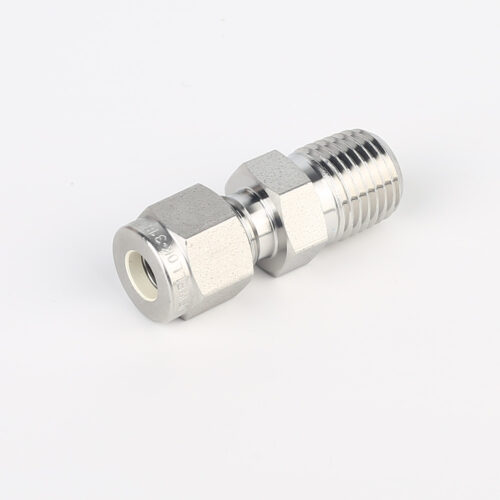
768L Stainless Steel Male Tube Butt Weld Connector | Clean Weld Fittings And Ultra-High Purity Fittings
-
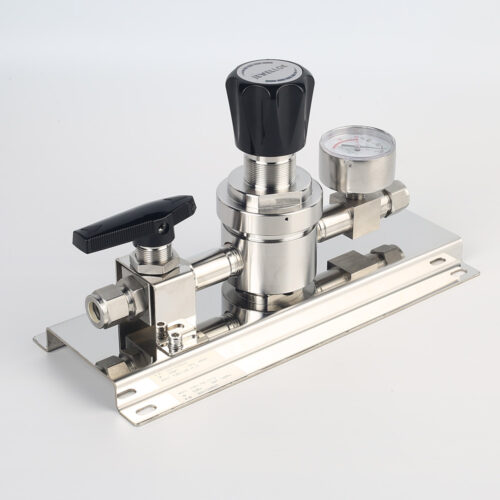
High Purity And Industria Gas Stick Assemblies Precise Pressure Control Gas Systems JSR-1ETG-BV Series
-
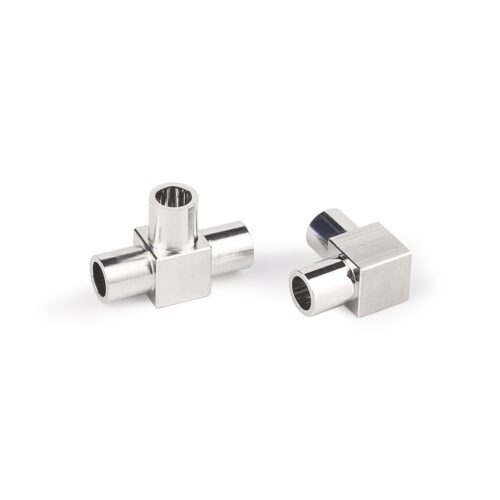
Stainless Steel Mini Elbow Mini Tee Mini Cross Mini Tribow Ultrahigh Purity Mini Butt Weld Fittings