
Regulator Manufacturer Tel: +86 13380377051
Regulator Manufacturer Tel: +86 13380377051
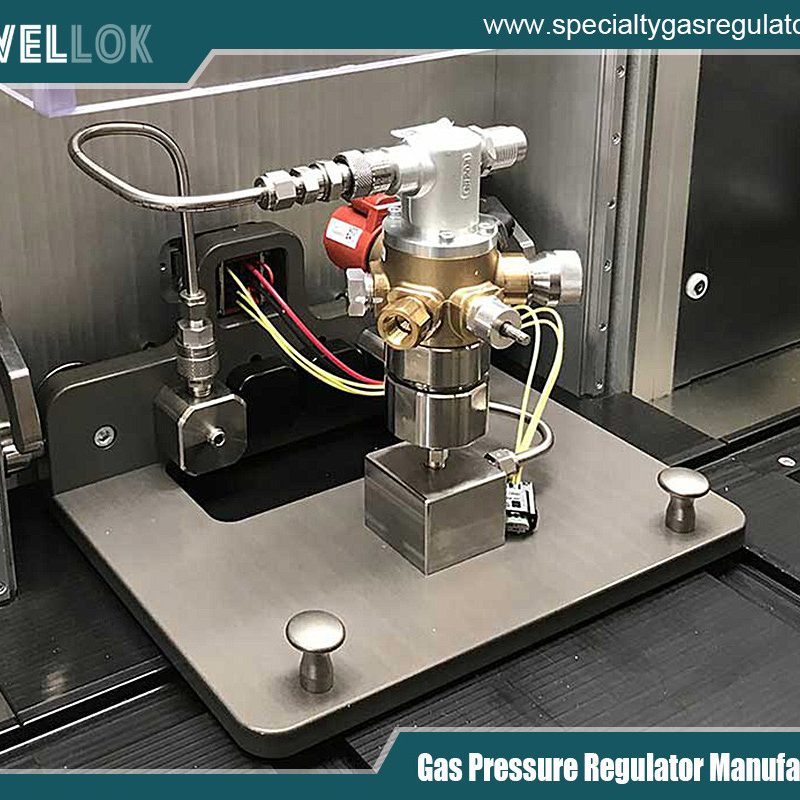
UHP 316L Stainless Steel Diaphragm Valve: Precision Engineering for Ultra-High Purity Applications
In industries where contamination can lead to catastrophic failures or compromised product quality, the choice of fluid control components is paramount. The UHP 316L stainless steel diaphragm valve stands out as a cornerstone in ultra-high purity (UHP) systems. Designed for environments demanding the utmost in cleanliness and reliability, this valve integrates advanced materials and engineering to ensure leak-tight performance and minimal particle generation. UHP refers to systems that maintain purity levels exceeding 99.9999%, commonly required in semiconductor manufacturing, pharmaceutical production, and biotechnology. The 316L stainless steel variant enhances corrosion resistance, making it ideal for handling aggressive chemicals and gases.
This article delves into the technical aspects of the UHP 316L stainless steel diaphragm valve, exploring its construction, operational principles, applications, and maintenance considerations. By understanding its features, engineers and technicians can better appreciate its role in safeguarding process integrity.
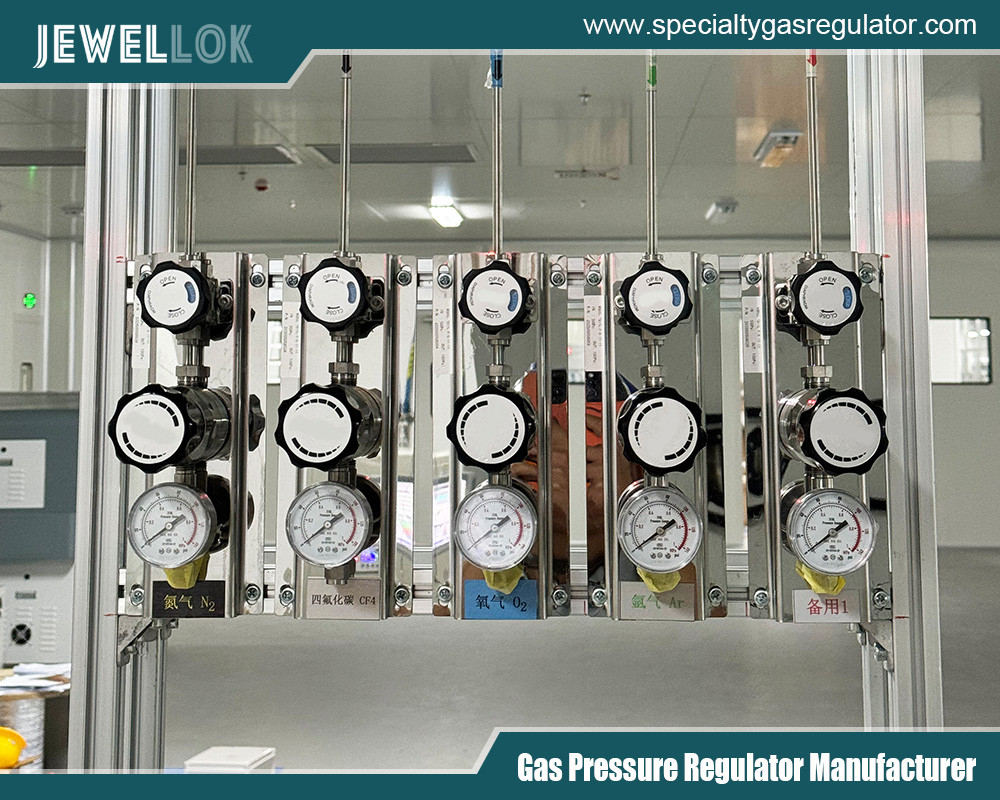
Material Composition and Properties
At the heart of the UHP 316L stainless steel diaphragm valve is its primary material: 316L stainless steel. This austenitic alloy contains approximately 16-18% chromium, 10-14% nickel, and 2-3% molybdenum, with a low carbon content (less than 0.03%) to prevent carbide precipitation during welding. The “L” designation signifies this low-carbon grade, which enhances weldability and reduces the risk of intergranular corrosion.
In UHP applications, material purity is critical. 316L stainless steel is electropolished to achieve a surface finish with roughness average (Ra) values as low as 0.13 micrometers. This smooth surface minimizes adhesion sites for contaminants, reducing particle shedding and bacterial growth. The alloy’s passivation layer, formed by chromium oxide, provides excellent resistance to corrosive media such as hydrochloric acid, sulfuric acid, and ultrapure water.
The diaphragm itself is typically made from elastomeric materials like EPDM (ethylene propylene diene monomer) or PTFE (polytetrafluoroethylene) composites, but in UHP designs, it’s often a multi-layer metallic diaphragm crafted from the same 316L stainless steel or Hastelloy for enhanced durability. These metallic diaphragms eliminate permeation risks associated with polymers, ensuring zero leakage even under high-pressure differentials.
Design and Operational Principles
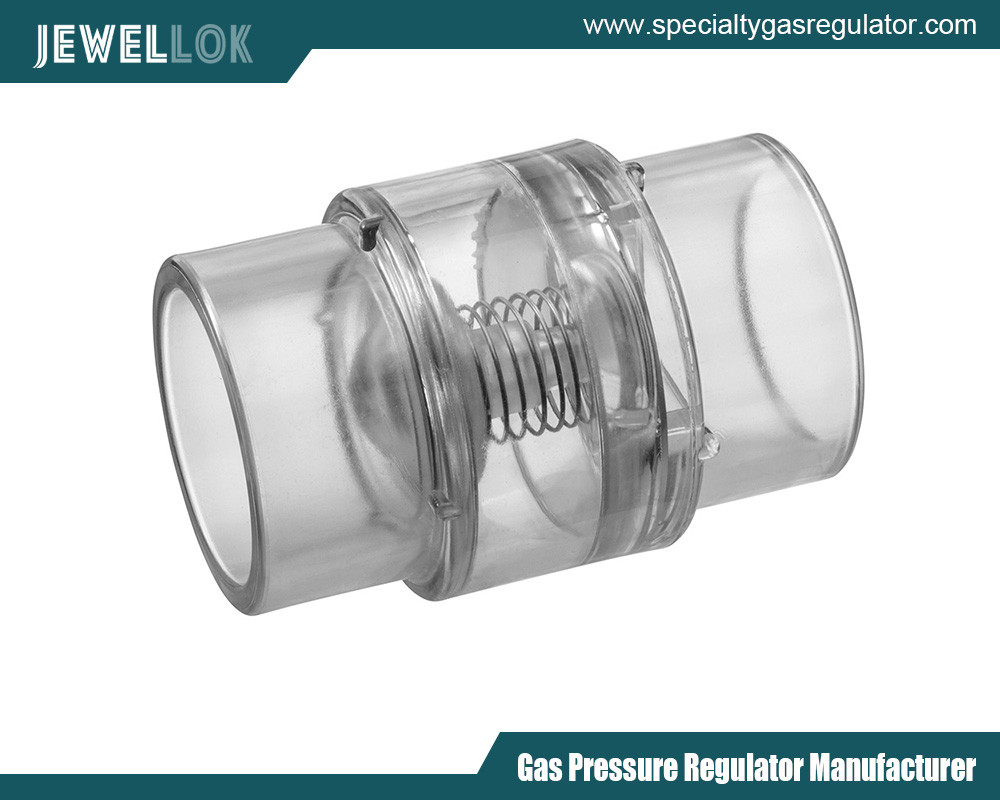
The UHP 316L stainless steel diaphragm valve employs a unique design that isolates the process fluid from the actuator mechanism. Unlike traditional globe or ball valves, it uses a flexible diaphragm to seal the flow path. When actuated—manually, pneumatically, or electrically—the diaphragm flexes to open or close the valve seat, preventing any stem or packing exposure to the media.
Key design features include:
– Body Configuration: Available in weir-type or straight-through designs. Weir-type valves offer better flow control for throttling, while straight-through minimize dead legs, reducing entrapment zones for contaminants.
– Bonnet Assembly: Hermetically sealed to maintain UHP integrity. In 316L models, the bonnet is often welded or clamped to eliminate threaded connections that could harbor particles.
– Actuation Mechanisms: Pneumatic actuators are preferred for automation, providing rapid response times (under 1 second) and fail-safe options. Solenoid-operated variants integrate with PLC systems for precise control.
Operationally, the valve achieves a helium leak rate of less than 1×10^-9 mbar l/s, surpassing ASME BPE standards for bioprocessing equipment. Pressure ratings typically range from vacuum to 150 psi, with temperature tolerances from -20°C to 150°C, depending on the diaphragm material. Flow coefficients (Cv) vary by size, from 0.5 for 1/4-inch valves to over 10 for larger diameters, ensuring efficient media transfer without turbulence-induced particle generation.
Finite element analysis (FEA) is often used in design to optimize diaphragm stress distribution, extending cycle life beyond 1 million operations. Computational fluid dynamics (CFD) simulations further refine internal geometries for laminar flow, critical in gas delivery systems.
Applications in High-Purity Industries
The UHP 316L stainless steel diaphragm valve finds extensive use in sectors where purity is non-negotiable. In semiconductor fabrication, it controls the flow of specialty gases like silane and arsine in chemical vapor deposition (CVD) processes. Its low outgassing properties prevent wafer defects, supporting yields above 95%.
In pharmaceuticals, these valves are integral to water-for-injection (WFI) systems and sterile filling lines. Compliance with USP Class VI and FDA regulations ensures biocompatibility, while the 316L construction withstands clean-in-place (CIP) and steam-in-place (SIP) cycles at 135°C.
Biotechnology applications include bioreactor media transfer and chromatography systems, where the valve’s dead-space-free design minimizes cross-contamination risks. In analytical instrumentation, such as mass spectrometers, it handles sample gases with precision, maintaining signal integrity.
Emerging fields like hydrogen fuel cells and photovoltaic manufacturing also leverage these valves for handling ultrapure electrolytes and precursors. Their modular integration into manifold assemblies allows for compact, customizable systems, reducing footprint in cleanrooms.
Advantages Over Alternative Valves
Compared to bellows or needle valves, the UHP 316L stainless steel diaphragm valve offers several advantages. Its diaphragm seal eliminates dynamic O-rings, reducing wear and potential leak paths. This results in lower maintenance costs and extended mean time between failures (MTBF).
Particle generation is negligible, often below 0.1 particles per cubic foot, as per ISO 14644-1 Class 1 cleanroom standards. Corrosion resistance surpasses that of 304 stainless steel, particularly in chloride-rich environments, extending service life in coastal or chemical plants.
Energy efficiency is another benefit; low actuation forces (under 10 Nm for manual versions) reduce operator fatigue and pneumatic consumption. Scalability from laboratory to industrial scales makes it versatile, with sizes ranging from 1/4-inch to 2-inch ports.
However, engineers must consider limitations, such as potential diaphragm fatigue in high-cycle applications, mitigated by predictive maintenance using vibration sensors.
Maintenance and Best Practices
Proper maintenance ensures longevity of the UHP 316L stainless steel diaphragm valve. Visual inspections for diaphragm integrity should occur quarterly, with non-destructive testing like dye penetrant for weld seams.
Diaphragm replacement is straightforward, often tool-free in quick-release designs. Lubrication is minimal, focusing on actuator components with food-grade greases to avoid contamination.
Installation best practices include orbital welding for connections, ensuring helium-tested joints. Orientation matters; vertical mounting prevents pooling in weir designs.
Troubleshooting common issues like leakage involves checking actuator pressure (typically 60-90 psi) and diaphragm alignment. Advanced diagnostics integrate IoT sensors for real-time monitoring, predicting failures via machine learning algorithms.
Training personnel on aseptic handling is crucial, as improper assembly can introduce contaminants. Certification programs like those from ISPE emphasize these protocols.
Future Developments
As industries push purity boundaries, innovations in UHP 316L stainless steel diaphragm valves include smart features like embedded RFID for traceability and additive-manufactured bodies for complex geometries. Nanocoatings may further enhance surface inertness, while hybrid materials could extend temperature ranges.
Sustainability drives material recycling, with 316L’s high scrap value supporting circular economies. Integration with Industry 4.0 enables predictive analytics, optimizing uptime in 24/7 operations.
Conclusion
The UHP 316L stainless steel diaphragm valve exemplifies engineering excellence in purity-critical applications. Its robust construction, precise control, and minimal maintenance make it indispensable across high-tech industries. By prioritizing material science and design innovation, this valve continues to evolve, meeting the demands of tomorrow’s technologies.
For more about uhp 316l stainless steel diaphragm valve, you can pay a visit to Jewellok at https://www.specialtygasregulator.com/product-category/ultra-high-purity-diaphragm-valves/ for more info.
-
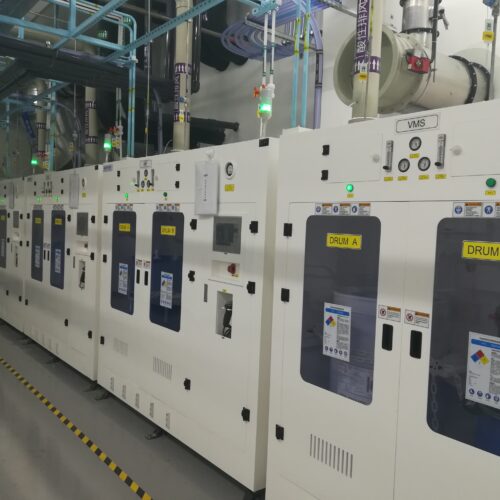
High Purity Liquid Chemical Delivery Systems Designed for Sub Micron Semiconductor Production
-
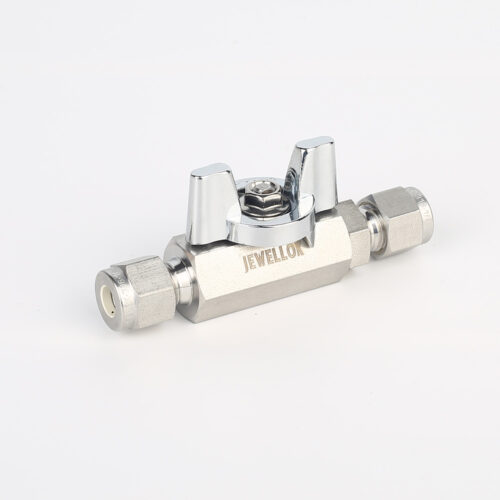
Stainless Steel High-Purity High Temperature Metal Seated Ball Valves JBV3 Series
-
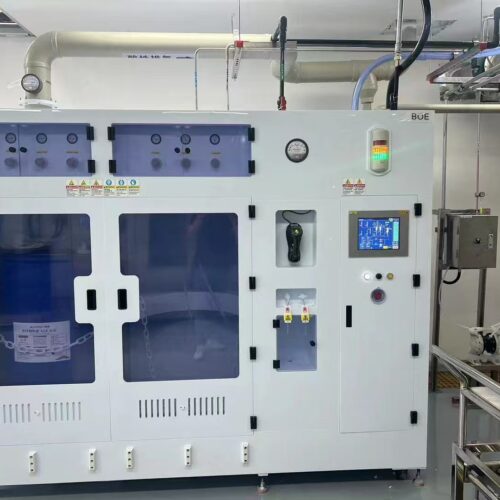
Chemical Delivery Modules for Automated Blending and Precise Dilution in Modern Wafer Cleaning Applications
-
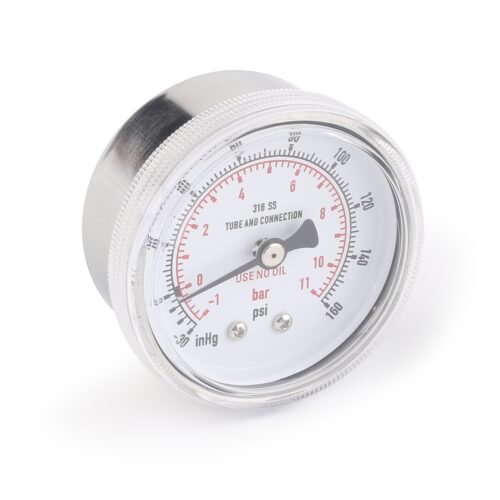
Ultra High Purity Pressure Gauge For Laboratory And Semiconductor JR Series
-
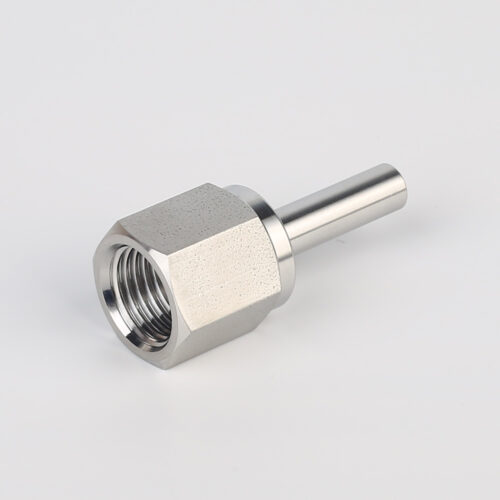
739LF High Purity Female Adapter Tube To Pipe Fittings And Connectors
-
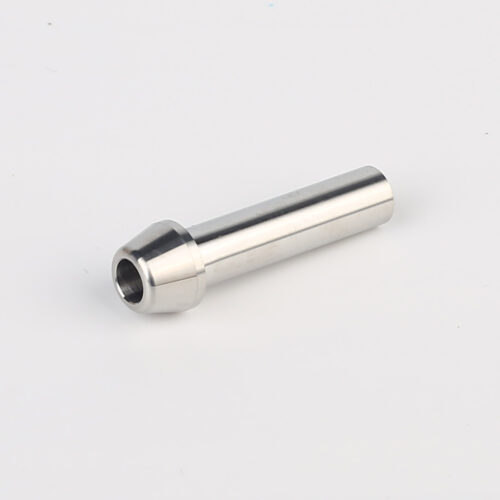
767LP Port Connector Ultra High Purity VCJ Metal Gasket Face Seal Tube Fittings
-
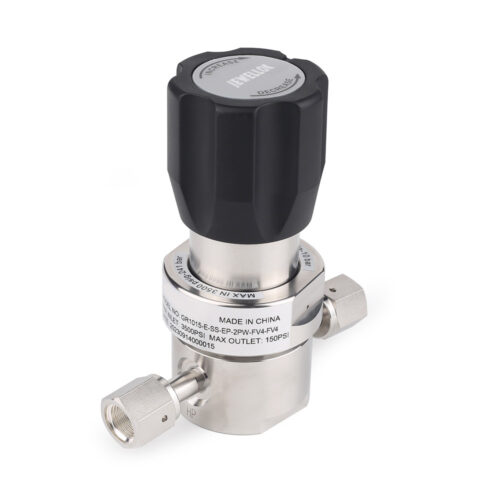
JR1000 Series UHP Ultra High Purity Single Stage Pressure Reducing Regulator And Low To Intermediate Flow
-
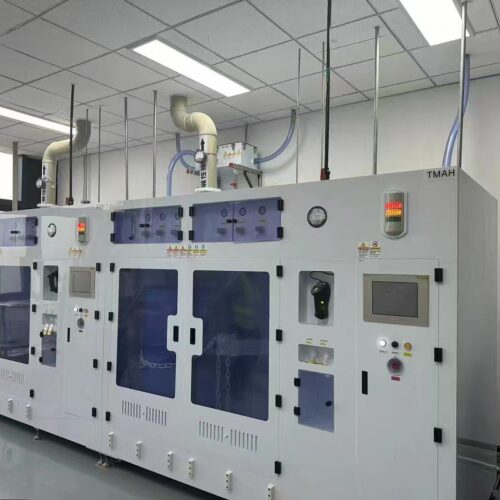
Automated Bulk Chemical Delivery System with Ultra High Purity CDU for Precise Industrial Fluid Control