
Regulator Manufacturer Tel: +86 13380377051
Regulator Manufacturer Tel: +86 13380377051

How to Prevent Contamination in High Purity Xenon Gas Systems
High-purity xenon gas system is a critical commodity in advanced scientific and industrial applications, ranging from particle physics experiments searching for dark matter to next-generation semiconductor manufacturing and medical imaging. The performance and success of these applications are exquisitely sensitive to trace levels of impurities. Consequently, the prevention of contamination in xenon gas handling systems is not merely a procedural detail but a foundational engineering challenge. This article provides a comprehensive technical overview of contamination sources and details a systematic, multi-layered approach to their prevention, encompassing system design, material selection, preparation procedures, operational protocols, and validation techniques.
1. The Imperative of Purity
Xenon’s unique properties—its high atomic number, density, scintillation and ionization response, and chemical inertness—make it invaluable. In liquid xenon (LXe) time projection chambers (TPCs) for dark matter searches, impurities like oxygen or water at parts-per-million (ppm) or even parts-per-billion (ppb) levels can capture free electrons, degrading energy resolution and sensitivity. In semiconductor fabrication, xenon is used for ion beam milling and etching; contaminants can lead to defective device layers. In medical imaging, radioactive xenon isotopes must be isotopically and chemically pure for accurate diagnostics.
Contamination prevention is a holistic discipline. It requires an understanding that contaminants can be introduced at every stage: from the gas supply itself, through every component the gas contacts, during system assembly, and throughout its operational life. The guiding principle is minimization: minimize sources, minimize exposure, and continuously monitor.
2. Primary Sources of Contamination
Understanding the enemy is the first step. Contaminants in high purity xenon gas systems fall into several categories:
-
Intrinsic Gas Impurities: Even the highest purity xenon from suppliers (e.g., 99.9999% or “6N” purity) contains trace levels of other noble gases (krypton, argon), nitrogen, oxygen, carbon dioxide, and hydrocarbons. For ultra-high purity (UHP) applications, further on-site purification is non-optional.
-
Outgassing: All materials release adsorbed gases (H₂O, N₂, O₂, CO, CO₂, H₂) from their surfaces and, to a lesser extent, their bulk. This is the most pervasive and persistent source of contamination in sealed systems. Elastomers, plastics, and standard metals are egregious offenders.
-
Leak Ingress: Virtual and real leaks allow atmospheric gases (78% N₂, 21% O₂, ~1% Ar, variable H₂O) to infiltrate the system. A system under vacuum or containing gas at sub-atmospheric pressure is particularly vulnerable.
-
Particulates: Dust, metal shavings, fibers, and shed materials from components or assembly can physically obstruct filters, valves, and sensitive volumes. They also act as high-surface-area sites for adsorption and subsequent outgassing.
-
Human Introduced: Moisture, oils from skin, and carbon dioxide from breath are major contaminants introduced during assembly, maintenance, or component handling.
-
System-Generated: Operational processes can create contaminants. Examples include the breakdown of lubricants in pumps or valves, thermal decomposition of materials, and chemical reactions catalyzed by hot filaments or discharges (e.g., in purification getters or ion pumps).
3. A Multi-Layered Defense Strategy: Prevention at Every Stage
3.1. System Design & Material Selection
The battle against contamination is won at the drawing board.
-
Minimize Complexity and Volume: Design the gas system to be as simple and compact as possible. Every extra fitting, valve, meter of tubing, and component is a potential contamination source and increases the total surface area for outgassing. Use a “keep-it-simple” philosophy.
-
Material Compatibility:
-
Metals: Electropolished 316L/316LN stainless steel is the industry standard. The low-carbon “L” grade minimizes carbide precipitation, enhancing corrosion resistance. Electropolishing creates a smooth, passive chromium oxide layer that drastically reduces surface area and outgassing rates. Avoid copper and brass in critical gas paths due to higher outgassing and potential for catalysis.
-
Seals: Metal seals (e.g., Conflat® flanges with copper or nickel gaskets) are mandatory for UHP and vacuum applications. They provide a hermetic, ultra-clean seal with minimal permeation. Where elastomers are unavoidable (e.g., for valve diaphragms), use perfluoroelastomers (FFKM) like Kalrez® or Chemraz®, which offer superior chemical resistance and lower outgassing than Viton®, but understand they remain a compromise.
-
Internal Components: Specify components with low-outgassing internal materials. Valve stems and seats should be metal-to-metal or utilize compatible, high-performance polymers.
-
-
Surface Finish: Specify electropolished (EP) or chemically passivated (CP) finishes for all wetted surfaces. A smooth surface (typically < 15 micro-inch Ra) minimizes adsorption sites and facilitates cleaning. All components should be cleaned and bagged by the manufacturer to a relevant standard (e.g., ASTM B912 for electropolishing).
-
Purification Integration: Design the system with an integrated, high-capacity purification loop. This loop should include a circulator (e.g., a metal bellows or diaphragm pump) and one or more purification beds. The system should allow for continuous or batch purification of the xenon inventory, independent of the main experiment or process.
3.2. Component Preparation and Cleaning
Components must be delivered clean and kept clean.
-
Pre-Cleaning by Suppliers: Source components from vendors specializing in high-purity or ultra-high vacuum (UHV) applications. They should perform and certify cleaning processes such as solvent degreasing, alkaline cleaning, and precision rinsing with deionized water.
-
In-House Cleaning (if required): A standard protocol involves:
-
Degreasing: Ultrasonic bath in a high-purity solvent (e.g., electronics-grade acetone, followed by methanol).
-
Alkaline Clean: To remove organic residues.
-
Rinse: Multiple rinses in deionized (DI) water of 18.2 MΩ·cm resistivity.
-
Acid Passivation (for SS): Immersion in a nitric acid bath to enhance the chromium oxide layer.
-
Final Rinse: A thorough DI water rinse.
-
Drying: Baking in a clean oven at >100°C under a flow of dry, oil-free nitrogen or air.
-
-
Clean Handling and Storage: After cleaning, components must be handled only with clean, powder-free gloves in a controlled environment (clean bench or cleanroom). They should be sealed in double plastic bags with a dry nitrogen purge until assembly.
3.3. Assembly and Installation
Assembly is a critical phase where cleanliness can be easily compromised.
-
Environment: Perform assembly in a designated clean area (ISO Class 7 or better). Control humidity and particulate counts.
-
Leak Integrity: Perform a helium leak check on every welded joint and assembled connection before introducing xenon. Use a sensitive mass spectrometer leak detector (capable of detecting < 1×10⁻¹⁰ mbar·L/s). Remember, a leak-tight system is also a barrier against contamination ingress.
-
Purging: Before final sealing, the assembled system should be repeatedly evacuated and back-filled with a clean, dry purge gas (typically research-grade nitrogen or argon) to dilute and remove atmospheric contaminants. This is often called “cycle purging.”
3.4. System Conditioning (Bake-Out)
Outgassing rates are exponentially dependent on temperature. The single most effective step to reduce the water and gas load from metal surfaces is a high-temperature bake-out.
-
Process: The entire system (or as much as possible) is heated under vacuum, typically to 150-250°C for stainless steel systems, for 24-72 hours. This provides the thermal energy to desorb water and other molecules deeply bound to the surface.
-
Considerations: Heating tapes and insulation are used. Temperature-sensitive components (valves, gauges, pumps) must be protected or baked at lower, specified temperatures. During bake-out, the system must be pumped by a capable vacuum pump (turbo-molecular pump) to remove the desorbed gases.
3.5. On-Site Purification Technologies
Even after bake-out, impurities remain and will be introduced with the xenon. An on-site purification system is essential.
-
Getters: These are the workhorses of xenon purification.
-
Hot Metal Getters: (e.g., SAES MonoTorr® or similar Zr-V-Fe alloys). Heated to 350-450°C, they chemically getter (irreversibly trap) active gases like H₂, O₂, N₂, CO, CO₂, and H₂O with极高的效率。They are the first line of defense for most electronegative impurities.
-
Cold Traps: Operating at cryogenic temperatures (e.g., liquid nitrogen, 77K), these physically condense out high-boiling-point impurities like water and heavy hydrocarbons. They are simple and effective but require periodic regeneration.
-
-
Distillation: For the most demanding applications, continuous cryogenic distillation can separate xenon from lighter (e.g., krypton) and heavier impurities. This is complex but offers the highest ultimate purity, especially for removing other noble gases.
-
Filtration: In-line sintered metal filters (2 µm or finer) are placed at strategic points to capture particulates. They must be made of the same electropolished stainless steel and be cleanable.
3.6. Operational Protocols
-
Gas Transfer: Use only dedicated, clean gas handling equipment. Avoid pressure swings that can cause back-streaming from pumps or ambient air ingress.
-
Continuous Circulation: In critical applications like LXe TPCs, the xenon is continuously circulated through the purification system during operation to maintain purity against outgassing from detector materials.
-
Minimize Exposure: Any procedure requiring opening the system (e.g., to install a calibration source) must be meticulously planned to minimize the volume exposed and the time open. Pre-purged glove bags filled with dry nitrogen can be used.
4. Validation and Monitoring
You cannot manage what you do not measure.
-
Residual Gas Analysis (RGA): A quadrupole mass spectrometer is the primary diagnostic tool. It is used during bake-out to monitor outgassing species and during operation to quantify impurity partial pressures in the gas phase. It can detect impurities down to ppm or ppb levels.
-
Electron Lifetime Measurements: In LXe TPCs, the electron lifetime is the direct operational metric of purity. Electronegative impurities capture drifting electrons. A long lifetime (e.g., >1 ms) indicates excellent purity. This is an in-situ, functional measurement of the system’s cleanliness.
-
Moisture and Oxygen Analyzers: Dedicated, trace-level analyzers can provide continuous, real-time monitoring of specific contaminants of concern, offering immediate feedback on system health and purification efficiency.

5. Conclusion
Preventing contamination in a high-purity xenon gas system is a rigorous, continuous endeavor that demands a systematic approach. It begins with intelligent design using appropriate materials and finishes, is realized through meticulous cleaning, assembly, and conditioning procedures, and is sustained by integrated purification and vigilant monitoring. There is no single “silver bullet”; rather, success is achieved through the cumulative effect of multiple, redundant barriers against contamination. By adhering to these principles—minimizing sources, designing for cleanability, baking aggressively, purifying continuously, and monitoring relentlessly—engineers and scientists can create and maintain the pristine xenon environments required to push the boundaries of discovery in fundamental physics, advanced manufacturing, and medical technology. The purity of the xenon is ultimately a direct reflection of the care and rigor invested in the system that contains it.
For more about how to prevent contamination in high purity xenon gas systems, you can pay a visit to Jewellok at https://www.specialtygasregulator.com/product-category/ultra-high-purity-diaphragm-valves/ for more info.
-
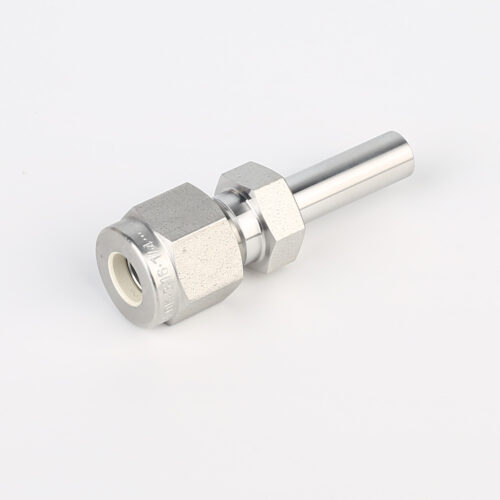
767LT Reducer Pressure Reducing Valve Adjustment High purity Pressure Reducing Union Fittings And Tubing
-
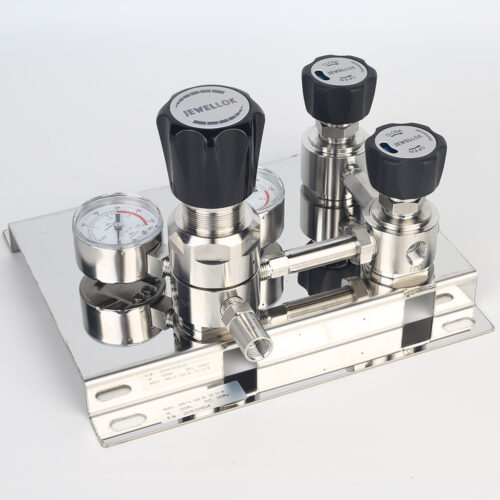
Medical Oxygen Single Stage Manual Gas Changeover Manifold Panel High-Purity Two-Stage Manual Gas Manifold Gas Pressure Control Panels
-
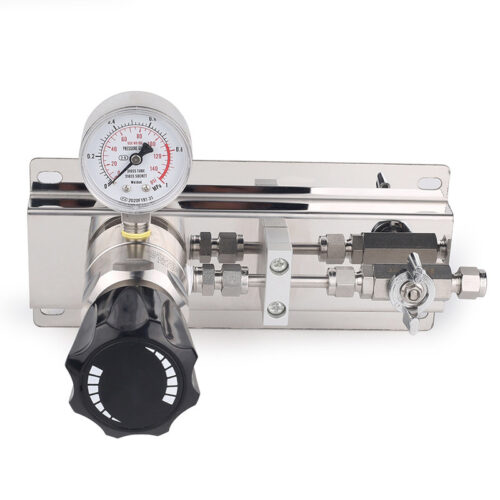
Stainless Steel 316L Single Stage Regulator Pressure Control Panels JSP-1E Series For Semiconductor Fluid Control
-
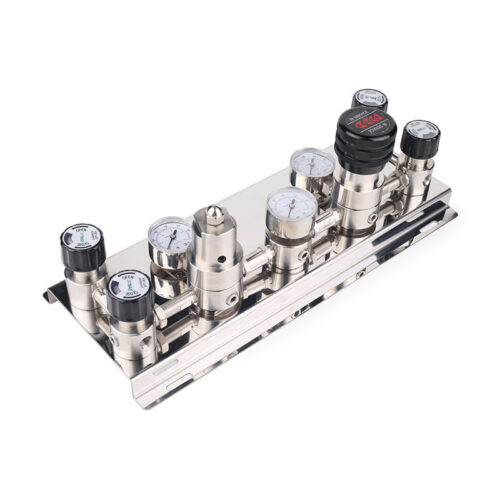
Stainless Steel High Pressure Specialty Gas Changeover Manifold For High Purity Oxygen Nitrogen Argon Helium Hydrogen Co2
-
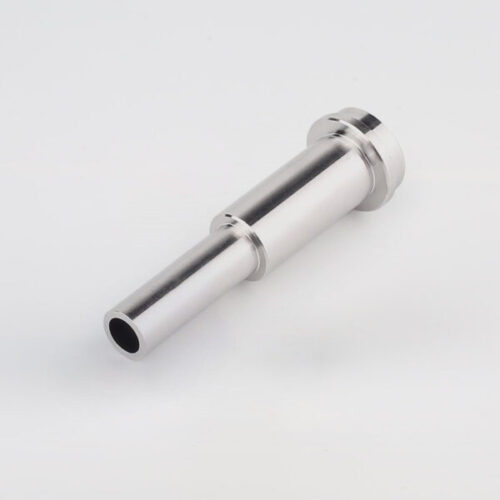
Long Gland LG Series For Ultra High Purity Gas And Chemical Delivery Systems
-
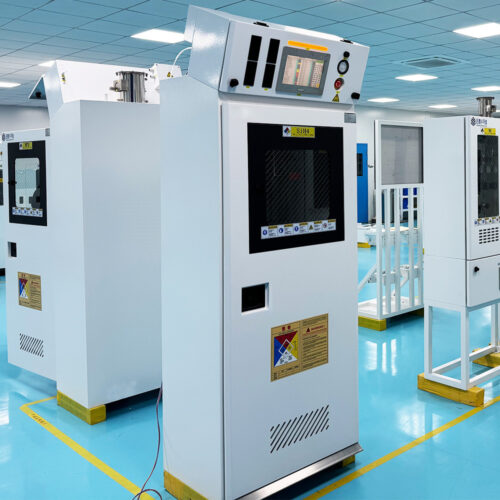
Advanced Exhaust Gas Scrubber System Design for 99% Removal Efficiency of Industrial Toxic Gases
-
Integrated Scrubber Tail Gas Treatment Cabinet for Safe Bulk Specialty Gas System Exhaust Management
-
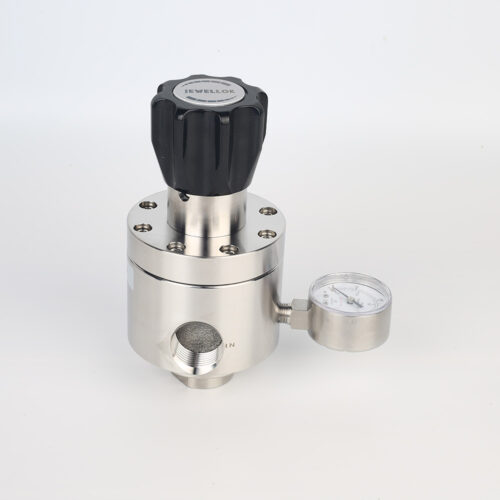
Low Pressure High Flow Line Pressure Regulators And Control Valves JSR-4L Series For Laboratory Pressure Control