
Regulator Manufacturer Tel: +86 13380377051
Regulator Manufacturer Tel: +86 13380377051
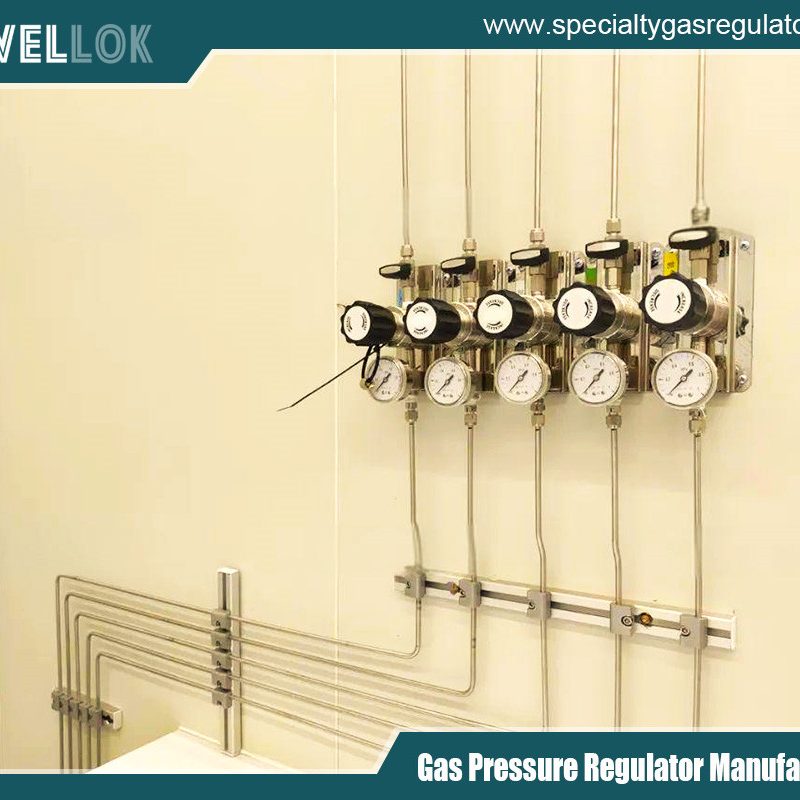
Ultra-High Purity Gas Valve Solutions for Laboratories and the Pharmaceutical Industry
The demand for ultra-high purity (UHP) gases in analytical laboratories and pharmaceutical manufacturing has intensified with the advent of more sensitive instrumentation and stringent regulatory standards. Contamination at the parts-per-billion (ppb) or even parts-per-trillion (ppt) level can compromise experimental results, invalidate batch records, and lead to costly production downtime. Central to maintaining gas integrity is the valve—a seemingly simple component that often becomes the weakest link in the gas delivery chain. This article provides a comprehensive technical examination of UHP gas valve solutions, addressing material selection, diaphragm technology, surface finishing, dead volume reduction, and application-specific configurations for laboratory and pharmaceutical environments.
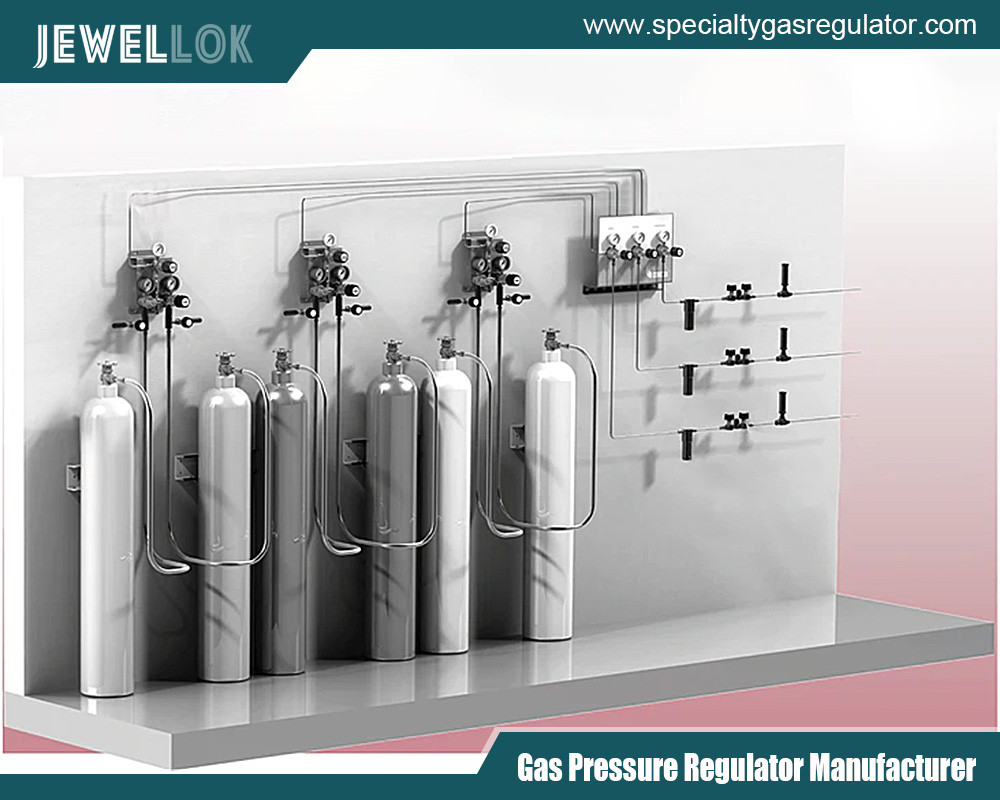
1. The Critical Nature of Gas Purity
In both laboratory analytics and pharmaceutical processing, gases serve as carriers, reagents, and protective atmospheres. Gas chromatography-mass spectrometry (GC-MS), liquid chromatography-mass spectrometry (LC-MS), and inductively coupled plasma mass spectrometry (ICP-MS) require carrier gases with impurity levels below 1 ppb. Similarly, pharmaceutical processes such as fermentation, inert blanketing, and supercritical fluid extraction demand oxygen and moisture content below 5 ppb to prevent oxidation and maintain product stability.
Contamination sources in gas systems include:
-
Outgassing from elastomeric seals and polymeric components
-
Adsorption/desorption of moisture on stainless steel surfaces
-
Particulate shedding from moving mechanical parts
-
Permeation through non-metallic barriers
-
Dead legs where stagnant gas accumulates
The valve, as the primary flow control device, must therefore be engineered to eliminate or minimize each of these contamination vectors.
2. Fundamental Valve Technologies for UHP Service
2.1 Diagram Valves: The Gold Standard
Diaphragm valves represent the most widely adopted solution for UHP applications. Unlike packed stem valves that rely on dynamic seals around the stem, diaphragm valves utilize a flexible membrane to isolate the operating mechanism from the process fluid.
Metallic Diaphragm Valves:
Manufactured from nickel-cobalt alloys or 316L stainless steel, metallic diaphragms provide zero outgassing and infinite shelf life. They operate through a direct-acting mechanism where stem compression deflects the diaphragm onto the seat. High-cycle models now exceed 1 million operations through improved geometry and stress distribution. Typical applications include specialty gas panels, cylinder connections, and critical analytical instrument inlets.
Pneumatically Actuated Versions:
For automated processes, pneumatically actuated diaphragm valves offer consistent closing force and remote operation. Spring-less designs prevent particle generation, and external pilot valves ensure that operating gases never contact the process stream.
2.2 Packless Bellows Valves
For high-temperature applications or where maximum flow capacity is required, bellows valves provide an alternative. The seamless metal bellows welded to the valve body creates a hermetic seal while allowing linear stem motion. While bellows valves exhibit higher initial cost and limited cycle life compared to diaphragm valves, they excel in high-pressure applications up to 4,000 psi where diaphragm valves may struggle with seat stress.
2.3 Regulators as Flow Control Valves
While not traditional on/off valves, pressure regulators function as continuously variable valves and present unique contamination risks. UHP regulators now incorporate many diaphragm valve principles, including stainless steel diaphragms, electropolished surfaces, and all-metal seals. Two-stage designs maintain constant outlet pressure despite cylinder pressure decay, eliminating flow surges that can disturb chromatographic baselines.
3. Materials Science and Surface Engineering
3.1 Base Material Selection
The material chosen for valve bodies, bonnets, and internal components directly influences purity maintenance. 316L stainless steel (UNS S31603) remains predominant due to its corrosion resistance, weldability, and availability. However, surface condition determines ultimate performance.
Low-carbon 316L (maximum 0.03% carbon) prevents sensitization and carbide precipitation during welding. Special grades with controlled sulfur content (<0.005%) improve electropolishing results by reducing sulfide inclusions that create surface pitting.
For ultra-corrosive pharmaceutical gases such as hydrogen chloride or ammonia, Hastelloy C-22 and C-276 provide enhanced resistance to chloride-induced stress corrosion cracking. While significantly more expensive, these nickel-based alloys eliminate metallic contamination that can poison catalytic reactions or corrode sensitive instrument components.
3.2 Surface Finishing Technologies
Surface roughness directly correlates with moisture retention and particle entrapment. Standard commercial valves exhibit Ra values of 20-25 µin (0.5-0.6 µm). UHP valves require:
Mechanical Polishing:
Sequential abrasive processing reduces surface roughness to 10-15 µin Ra. This removes machining marks and folds that harbor contaminants.
Electropolishing:
The electrochemical removal of surface material preferentially dissolves high points, reducing Ra to 5-7 µin while creating a chromium-enriched passive layer. Electropolishing also removes embedded iron particles and smeared metal from machining operations.
Passivation:
Treatment with nitric or citric acid solutions restores and thickens the natural chromium oxide layer. Proper passivation increases corrosion resistance and reduces catalytic activity that might decompose sensitive pharmaceutical intermediates.
4. Dead Volume Reduction and Flow Path Geometry
4.1 The Dead Leg Problem
Dead volume—regions within the valve where gas flow stagnates—creates several contamination mechanisms:
-
Molecular diffusion of atmospheric contaminants upstream against flow
-
Accumulation of desorbed moisture from adjacent surfaces
-
Entrapment of particulate matter
-
Cross-contamination between different gas species during changeover
4.2 Zero Dead Volume Valve Design
Modern UHP gas diaphragm valves employ straight-through flow paths with minimal internal cavities. The diaphragm seals directly against the seat without intermediate chambers. In multi-port configurations, the flow path should be designed so that all wetted surfaces are continuously swept during normal operation.
For manifold systems, substrate-integrated valves eliminate interconnecting tubing entirely, reducing wetted surface area by up to 70% compared to discrete component assemblies.
5. Sealing Technology: Metal vs. Polymer
5.1 Metal-to-Metal Sealing
The highest purity applications mandate metal-to-metal seats. In these designs, the diaphragm or stem tip deforms against a raised orifice in the valve body. Properly executed metal seals provide zero permeability, infinite temperature stability, and no outgassing. Seat materials include 316L, Stellite, and Vespel®-impregnated metals.
5.2 Polymer Seats with UHP Compatibility
For applications requiring bubble-tight shut-off at low pressures, polymer seats remain necessary. Traditional PCTFE (Kel-F) exhibits low outgassing but has temperature limitations. Modern alternatives include:
-
Perfluoroelastomers (FFKM) with ultra-low extractables
-
PEEK (Polyetheretherketone) for radiation resistance and mechanical strength
-
PTFE with specialized fillers to reduce cold flow
Each polymer must undergo rigorous outgassing testing per ASTM E595 to ensure total mass loss (TML) below 1.0% and collected volatile condensable materials (CVCM) below 0.1%.
6. Application-Specific Configurations
6.1 Laboratory Gas Chromatography Solutions
Laboratory environments demand frequent cylinder changes, multiple gas switching, and integration with instrument-specific requirements. Modular valve panels incorporating:
-
Dual-stage regulators with integral purge valves
-
High-flow diaphragm valves for carrier gas selection
-
Miniature purge assemblies for cylinder change-out without system contamination
-
Particulate filters with 0.003 µm membrane elements
Space constraints in crowded laboratories have driven development of compact valve manifolds with 1.125-inch centerline spacing, allowing 8-port configurations in the footprint of traditional 4-port assemblies.
6.2 Pharmaceutical Manufacturing Applications
Pharmaceutical production introduces validation and documentation requirements absent in research settings. UHP valves in GMP environments must support:
Clean-in-Place (CIP) and Sterilize-in-Place (SIP):
Valves require full drainability (zero horizontal surfaces) and surface finishes below 0.4 µm Ra for biopharmaceutical applications. Diaphragm valves with electropolished flow channels and polished deadleg-free bodies enable complete cleaning validation.
Traceability:
Full material traceability from melt to finished product, including mill certificates and positive material identification (PMI) documentation. Imprinted serial numbers and laser marking provide permanent identification through multiple cleaning cycles.
Oxygen Service Compatibility:
For pharmaceutical oxidation processes, valves must meet ASTM G93 standards for oxygen cleaning. This includes aqueous degreasing, non-particulating assembly procedures, and packaging in double-bagged, Class 100 cleanroom environments.
6.3 Specialty Gas and Calibration Standards
Preparation of calibration gas standards requires valves capable of maintaining mixture integrity at ppb levels. Surface adsorption of reactive compounds (hydrogen sulfide, mercaptans, chlorine) necessitates:
-
Sulfur-free machining lubricants during manufacturing
-
Silcosteel® or Sulfinert® coatings to deactivate metallic surfaces
-
Heated valve bodies to prevent condensation of high-boiling components
7. Integration with Industry 4.0 and Smart Monitoring
7.1 Position Sensing and Feedback
Modern UHP valves increasingly incorporate non-contact position sensing. Magnetic Hall effect sensors or inductive proximity switches verify valve position without penetrating the pressure boundary. This enables:
-
Automated valve sequencing for gas switching applications
-
Interlocking with process equipment to prevent unsafe conditions
-
Data logging of valve cycles for preventive maintenance scheduling
7.2 Predictive Maintenance Capabilities
Embedded cycle counting and torque monitoring allow prediction of diaphragm end-of-life. By analyzing the increasing actuation force required to achieve shut-off, maintenance can be scheduled during planned downtime rather than after catastrophic failure.
8. Installation and Commissioning Best Practices
8.1 Orbital Welding
No matter the valve quality, improper installation destroys purity. Orbital welding using autogenous techniques (no filler metal) creates reproducible, full-penetration welds with minimal heat affected zone. Purge gas argon (99.999% minimum) protects the weld root from oxidation. Post-weld visual inspection and, for critical systems, radiographic or ultrasonic examination verify weld integrity.
8.2 System Purification
Following installation, systematic purification removes atmospheric contamination:
-
High-pressure nitrogen blowdown at maximum system velocity
-
Helium leak testing with mass spectrometer detection (<1 x 10⁻⁹ atm-cc/sec acceptance criteria)
-
Multiple evacuation/purge cycles for systems capable of vacuum service
-
Continuous purge at low flow rates during idle periods
9. Economic Considerations and Life Cycle Cost
While UHP valves command significant premium over commercial-grade components, total cost of ownership analysis favors high-quality components:
-
Reduced calibration frequency due to stable baselines
-
Elimination of false positive/false negative analytical results
-
Decreased cylinder change frequency through reduced purging requirements
-
Extended instrument maintenance intervals (detector cleaning, column replacement)
For pharmaceutical manufacturers, the cost of a single batch deviation frequently exceeds the entire valve budget for a facility.
10. Future Directions
10.1 Advanced Surface Modification
Atomic layer deposition (ALD) of metal oxide films creates surfaces with precisely controlled chemical activity. Al₂O₃ coatings of 50-100 Å thickness reduce moisture adsorption by orders of magnitude compared to electropolished stainless steel.
10.2 Additive Manufacturing
Selective laser melting enables valve geometries impossible with conventional machining. Conformal flow paths, integrated filters, and weight-optimized structures may become commercially viable as AM costs decrease.
10.3 Miniaturization
Microelectromechanical systems (MEMS) valves with flow channels etched in silicon promise single-chip gas handling systems. While currently limited to low-flow applications, scaling to analytical instrument flow rates appears feasible within five years.
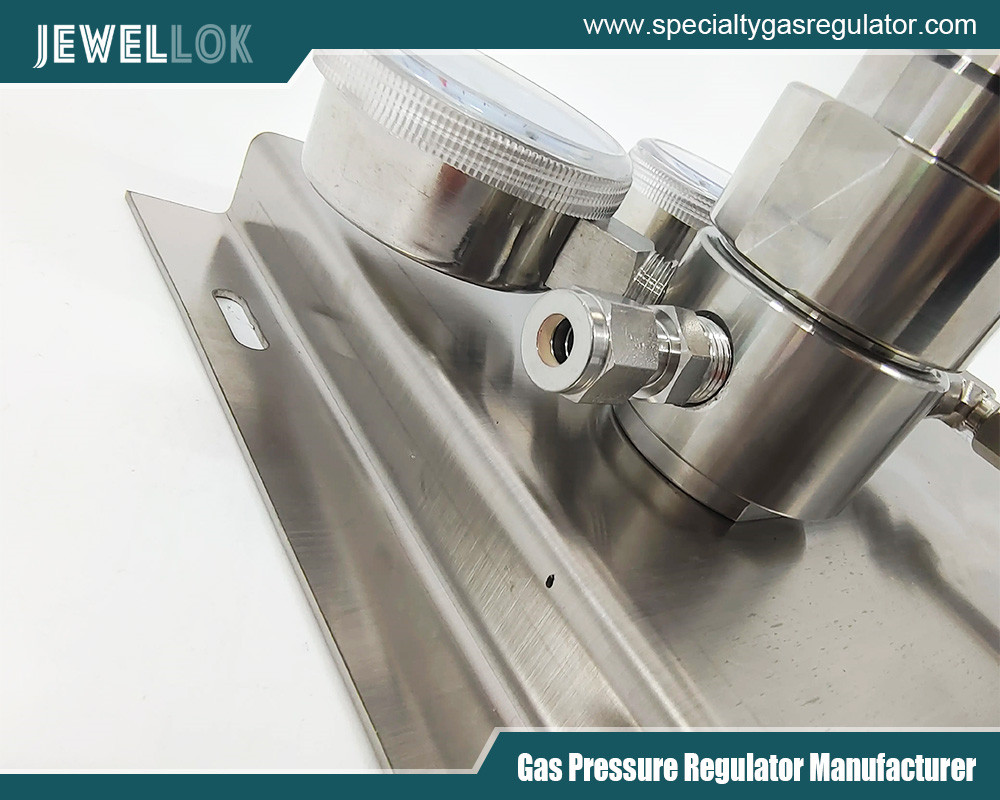
Conclusion
Ultra-high purity gas valve technology has evolved from passive flow control components to active participants in purity assurance. Through advances in materials science, surface engineering, and geometric optimization, modern valves approach the theoretical limit of non-interactive gas handling. For laboratory and pharmaceutical applications where gas purity directly impacts data quality and product safety, investment in appropriate valve technology represents not merely an equipment purchase but a fundamental quality assurance strategy.
The selection of UHP valves must be based on rigorous analysis of application requirements, contamination mechanisms, and total cost of ownership. With proper specification, installation, and maintenance, today’s UHP valves deliver the gas integrity essential for twenty-first century scientific and pharmaceutical advancement.
For more about Ultra-High Purity Gas Valve Solutions for Laboratories and the Pharmaceutical Industry, you can pay a visit to Jewellok at https://www.specialtygasregulator.com/product-category/ultra-high-purity-diaphragm-valves/ for more info.
-
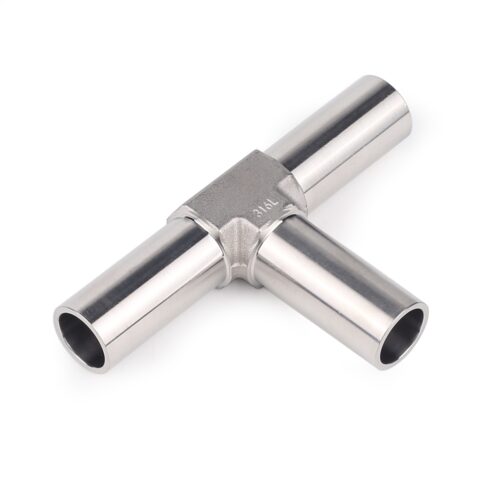
Stainless Steel Ultra Clean Welding Joint Fittings TW Series TRW Series & CW Series
-
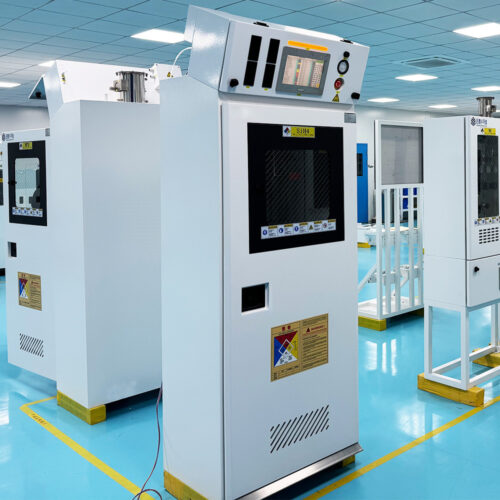
High Purity Bulk Gas Delivery Systems for Semiconductor Manufacturing and Advanced Chemical Distribution Infrastructure
-
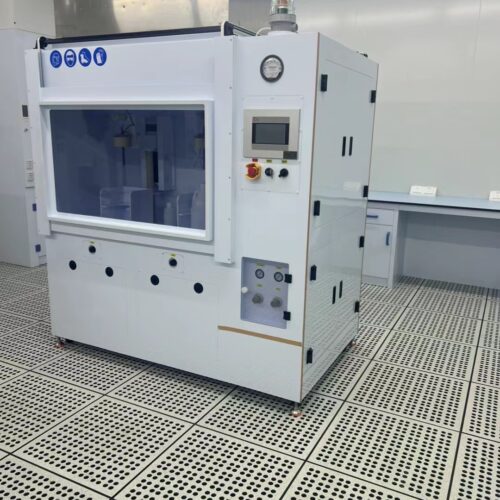
Custom VMB Valve Manifold Boxes for Enhanced Tool Isolation and Maximum Uptime in Complex Chemical Distribution Networks
-
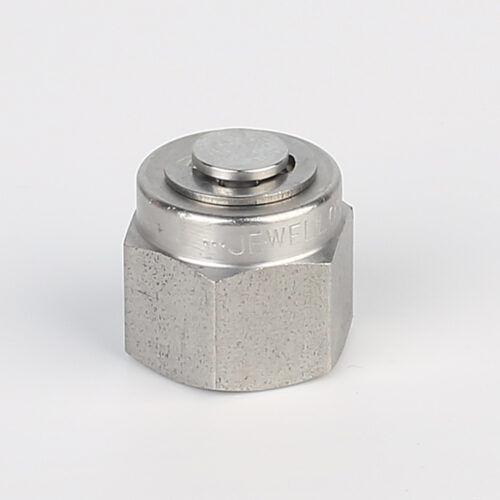
7121L Plug High Purity Plug Fitting And Blanking Plug
-
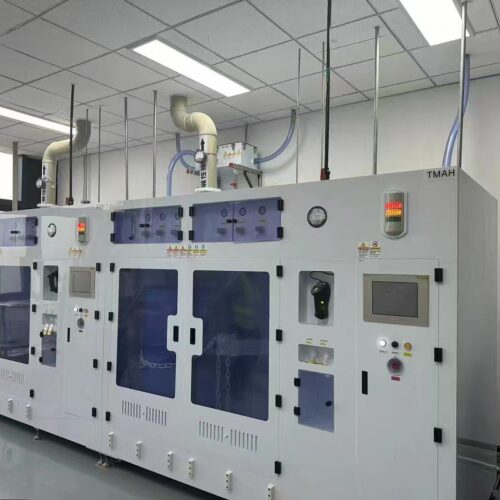
Liquid Bulk Chemical Delivery System with Automatic Chemical Dispense Unit (CDU) Featuring 316L Electropolished Stainless Steel Piping Components
-
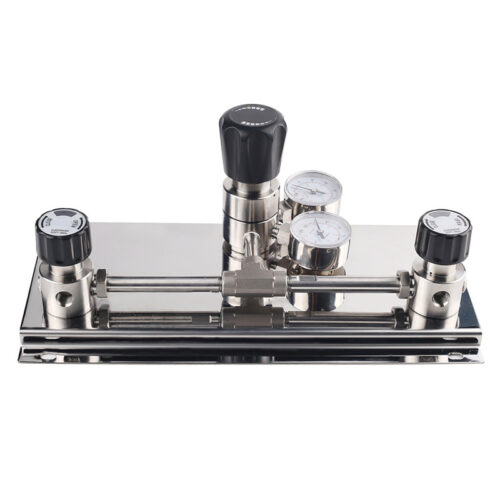
Semi Automatic Oxygen Nitrogen Helium Argon Gas Changeover Manifold Manual Gas Changeover Manifold Panel For Gas Cylinders
-
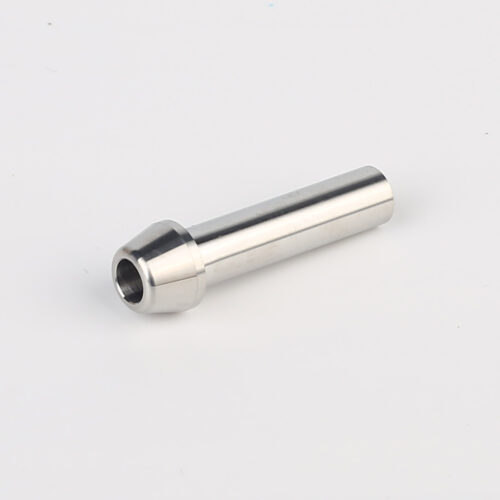
767LP Port Connector Ultra High Purity VCJ Metal Gasket Face Seal Tube Fittings
-
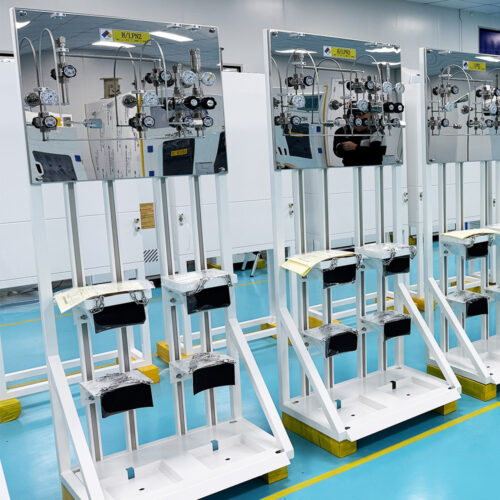
Fully Automated Gas Cabinet for Safe Ultra High Purity Specialty Gas Delivery in Semiconductor Manufacturing