
Regulator Manufacturer Tel: +86 13380377051
Regulator Manufacturer Tel: +86 13380377051
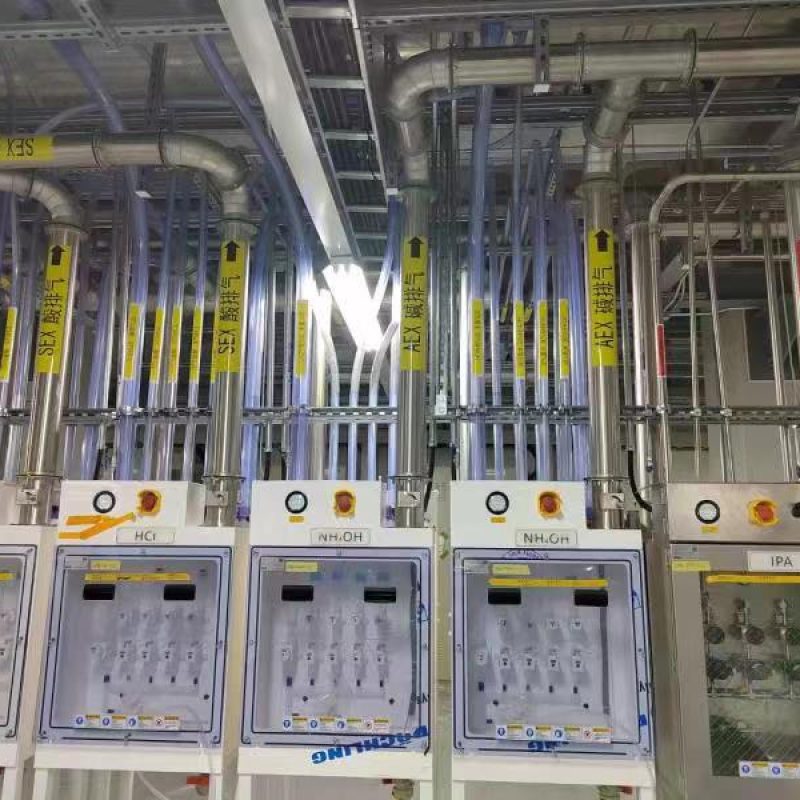
Advanced Chemical Dispense Unit Systems for Safe Acid and Solvent Handling Applications
Chemical Dispense Units (CDUs) are critical subsystems in modern industrial environments, particularly in semiconductor manufacturing, pharmaceutical production, and advanced chemical processing. These systems are designed to safely store, transfer, and precisely dispense hazardous chemicals such as strong acids and organic solvents. This article provides a comprehensive technical overview of CDUs, including their design principles, key components, material compatibility considerations, safety mechanisms, and emerging trends. Special emphasis is placed on handling corrosive acids and volatile solvents, where system integrity and operator safety are paramount.
1. Introduction
The increasing complexity of industrial processes has driven the need for highly controlled chemical handling systems. In sectors such as semiconductor fabrication, even minor contamination or inaccurate chemical dosing can lead to significant yield loss. Chemical Dispense Units (CDUs) address these challenges by providing automated, closed-loop systems that ensure precise delivery of chemicals while minimizing human exposure.
Acids such as sulfuric acid (H₂SO₄), hydrofluoric acid (HF), and nitric acid (HNO₃), as well as solvents like isopropyl alcohol (IPA), acetone, and N-Methyl-2-pyrrolidone (NMP), present unique handling challenges. These chemicals may be highly corrosive, toxic, flammable, or volatile. Therefore, CDU design must balance precision, safety, and durability.
2. System Overview
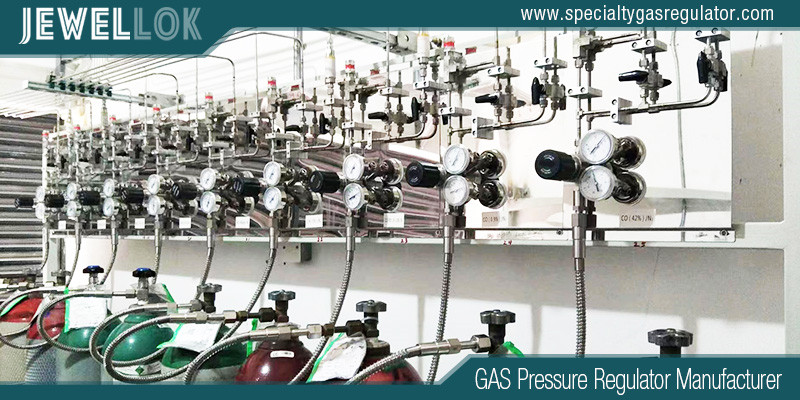
A typical CDU is an integrated system consisting of chemical storage, fluid transfer lines, control valves, sensors, and automation modules. The system is designed to deliver chemicals from bulk containers or reservoirs to process tools with high accuracy and repeatability.
2.1 Functional Objectives
The primary functions of a CDU system include:
- Safe containment of hazardous chemicals
- Accurate metering and dispensing
- Prevention of contamination
- Real-time monitoring and control
- Integration with upstream and downstream systems
2.2 Application Areas
CDUs are widely used in:
- Semiconductor wet processing (etching, cleaning)
- Flat panel display manufacturing
- Photovoltaic production
- Pharmaceutical and biotech industries
- Specialty chemical processing
3. Key Components of a CDU
3.1 Chemical Storage Modules
Chemical storage typically involves high-purity containers such as HDPE drums, stainless steel tanks, or fluoropolymer-lined vessels. For acids, materials like PTFE, PFA, or PVDF are preferred due to their excellent corrosion resistance. Solvent storage often requires explosion-proof containers with grounding provisions to prevent static discharge.
3.2 Pumps and Fluid Delivery Systems
Pump selection depends on chemical properties and process requirements. Common types include:
- Diaphragm pumps for high-purity applications
- Magnetically coupled centrifugal pumps for leak-free operation
- Peristaltic pumps for precise low-flow dispensing
For acid handling, pumps must resist corrosion and maintain structural integrity over time. For solvents, compatibility with organic compounds and resistance to swelling or degradation is critical.
3.3 Valves and Fittings
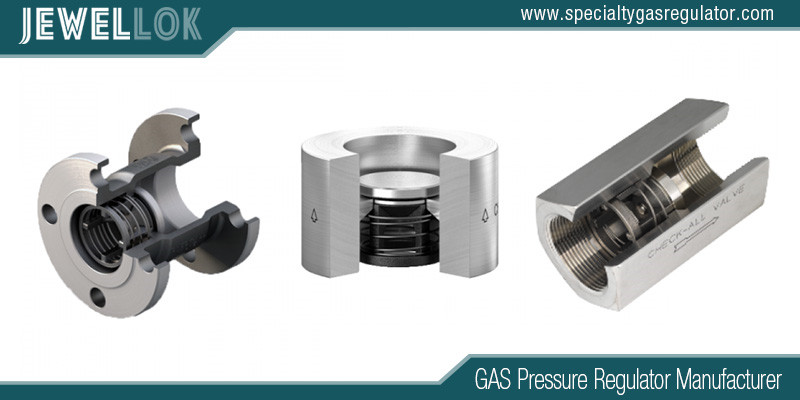
Valves control flow direction, pressure, and isolation. High-purity diaphragm valves made of PTFE or PFA are commonly used in CDU systems. All fittings must be leak-tight and chemically compatible to prevent contamination and ensure safety.
3.4 Sensors and Instrumentation
Accurate monitoring is achieved through:
- Flow meters (Coriolis, ultrasonic)
- Pressure sensors
- Level sensors (ultrasonic, capacitive)
- Temperature sensors
These sensors provide real-time data for process control and safety interlocks.
3.5 Control Systems
Modern CDUs are equipped with programmable logic controllers (PLCs) or distributed control systems (DCS). These systems enable:
- Automated dispensing sequences
- Alarm management
- Data logging and traceability
- Remote monitoring and diagnostics
4. Material Compatibility Considerations
Material selection is one of the most critical aspects of CDU design. Incompatible materials can lead to corrosion, contamination, or catastrophic failure.
4.1 Acid Handling
Strong acids require materials with high chemical resistance:
- PTFE/PFA: उत्कृष्ट resistance to most acids, ideal for high-purity systems
- PVDF: अच्छा mechanical strength with good chemical resistance
- Quartz: Used in ultra-high purity applications
Special care must be taken when handling hydrofluoric acid, which can attack glass and many metals.
4.2 Solvent Handling
Organic solvents can cause swelling or degradation of certain polymers:
- Stainless Steel (316L): widely used for solvent compatibility
- Fluoropolymers: suitable for aggressive solvents
- Elastomers: must be carefully selected (e.g., FFKM, PTFE) to avoid permeation
4.3 Cross-Contamination Prevention
To prevent cross-contamination:
- Dedicated lines for different chemicals
- Use of purge systems (e.g., nitrogen)
- Minimal dead volume design
5. Safety Design and Risk Mitigation
Handling acids and solvents involves significant risks, including chemical burns, toxic exposure, and fire hazards. CDUs incorporate multiple layers of safety controls.
5.1 Containment and Leak Detection
Secondary containment systems are essential. Leak detection sensors (conductivity-based or optical) can trigger automatic shutdowns.
5.2 Ventilation and Exhaust Systems
Proper ventilation is required to remove hazardous vapors. For solvents, explosion-proof exhaust systems are necessary to prevent ignition.
5.3 Grounding and Static Control
Solvents are often flammable; therefore:
- All metallic components must be grounded
- Anti-static materials may be used
- Flow rates must be controlled to minimize static buildup
5.4 Emergency Shutdown Systems
Emergency stop (E-stop) functions allow operators to quickly halt operations. Automated interlocks can shut down the system if abnormal conditions are detected.
5.5 Personal Safety Integration
CDUs are often integrated with facility safety systems, including:
- Gas detection systems
- Fire suppression systems
- Access control mechanisms
6. Precision and Process Control
Precision dispensing is crucial in applications like semiconductor manufacturing, where chemical concentrations and volumes must be tightly controlled.
6.1 Flow Control Techniques
- Closed-loop control using flow meters
- Pulse-based dispensing for micro-volume applications
- Time-pressure dispensing methods
6.2 Calibration and Validation
Regular calibration ensures accuracy. Validation protocols include:
- Gravimetric testing
- Inline sensor verification
- Statistical process control (SPC)
6.3 Automation and Integration
CDUs can be integrated with Manufacturing Execution Systems (MES) for:
- Recipe management
- Batch tracking
- Quality assurance
7. Maintenance and Reliability
7.1 Preventive Maintenance
Routine inspections and component replacement schedules are essential to prevent failures. Critical components include seals, valves, and sensors.
7.2 Cleaning and Flushing
To maintain purity:
- Automated flushing systems are used
- Compatible cleaning agents must be selected
- Drying processes (e.g., nitrogen purge) are implemented
7.3 Failure Modes
Common failure modes include:
- Seal degradation
- Pump wear
- Sensor drift
Early detection through predictive maintenance technologies can significantly improve system reliability.
8. Environmental and Regulatory Considerations
CDUs must comply with environmental and safety regulations, such as:
- OSHA standards for hazardous materials
- EPA regulations for emissions and waste
- SEMI standards in semiconductor industries
Waste chemical handling systems must be integrated to ensure proper disposal or recycling.
9. Emerging Trends and Innovations
9.1 Smart CDUs
Integration of IoT and AI technologies enables:
- Predictive maintenance
- Real-time optimization
- Remote diagnostics
9.2 Miniaturization
Compact CDU designs are being developed for space-constrained environments, especially in advanced semiconductor fabs.
9.3 Enhanced Materials
New materials with improved chemical resistance and lower contamination levels are being introduced, such as advanced fluoropolymers and composite materials.
9.4 Sustainability
Efforts are being made to reduce chemical waste and energy consumption through:
- Efficient dispensing algorithms
- Recycling systems
- Green chemistry approaches
10. Conclusion
Chemical Dispense Units play a vital role in ensuring safe, precise, and efficient handling of acids and solvents in modern industrial processes. Their design requires careful consideration of material compatibility, system integration, and safety mechanisms. As industries continue to demand higher precision and reliability, CDUs are evolving with advanced automation, smart technologies, and sustainable practices.
Understanding the technical aspects of CDU design and operation is essential for engineers and operators working in environments where chemical handling is a critical component. By implementing robust CDU systems, organizations can enhance process efficiency, ensure regulatory compliance, and most importantly, protect both personnel and the environment.
For more about the advanced chemical dispense unit systems for safe acid and solvent handling applications, you can pay a vis it to Jewellok at https://www.specialtygasregulator.com/product-category/specialty-gas-pressure-regulators/ for more info.
-
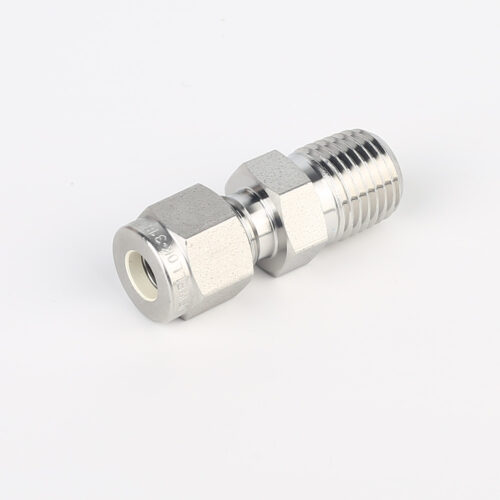
768L Stainless Steel Male Tube Butt Weld Connector | Clean Weld Fittings And Ultra-High Purity Fittings
-
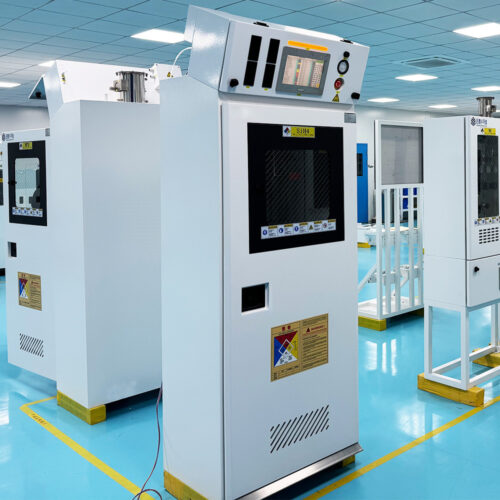
High Purity Bulk Gas Delivery Systems for Semiconductor Manufacturing and Advanced Chemical Distribution Infrastructure
-
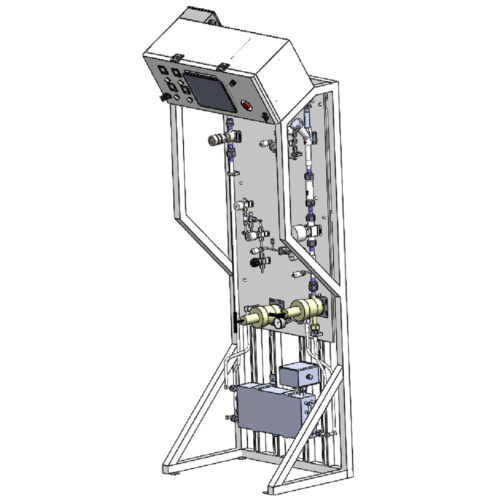
Fully Automated Gas Cabinet Gas Rack Gas Delivery Systems JW-300-GR
-
Fully Automated Gas Cabinet For Precise UHP Gas Delivery And High Purity Gas Delivery Systems JW-300-GC
-
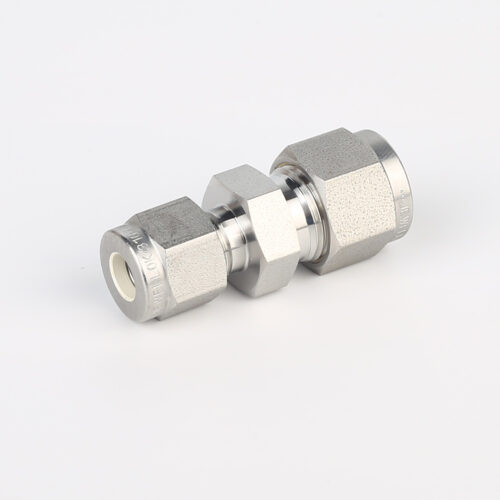
763L Stainless Steel High Purity Pressure Reducing Union Fittings And Tubing Pressure Reducing Valve Adjustment
-
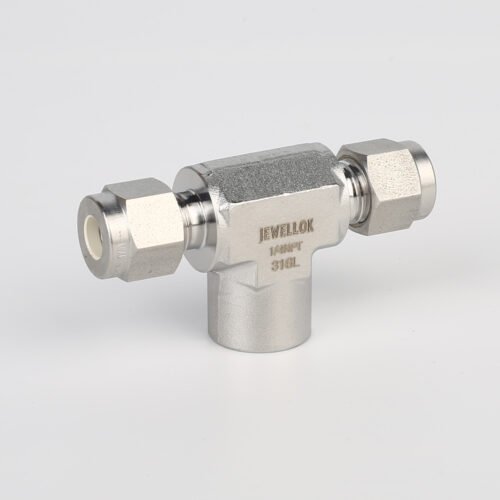
772 LF Female Branch Tee | Stainless Steel Tube Fitting Female Branch Tee 1/2 in. Tube OD x 1/2 in. Tube OD x 3/8 in. Female NPT
-
FT-BOX JW-FTB-C Valve Manifold Panels And Boxes With High Purity Configurable Systems
-
Vertical Laminar Flow Workstation (VLF) With Chemical Concentration Monitor