
Regulator Manufacturer Tel: +86 13380377051
Regulator Manufacturer Tel: +86 13380377051
Best Materials for Handling Highly Corrosive Industrial Gas Valves
Industrial gas handling systems frequently operate under extreme conditions involving highly corrosive gases such as chlorine (Cl₂), hydrogen fluoride (HF), hydrogen chloride (HCl), ammonia (NH₃), and various semiconductor-grade specialty gases. The selection of appropriate materials for valves used in these systems is critical to ensuring safety, reliability, and long service life. This article provides a comprehensive technical analysis of the best materials used in highly corrosive industrial gas valves, examining their chemical resistance, mechanical properties, compatibility, and application scenarios.
1. Introduction
In industries such as semiconductor manufacturing, chemical processing, pharmaceuticals, and energy, gas delivery systems must handle aggressive and corrosive media. Valves are key components that regulate flow, pressure, and isolation. Improper material selection can lead to corrosion, leakage, contamination, and catastrophic failure.
Corrosion in gas valves is influenced by several factors:
- Chemical reactivity of the gas
- Moisture content and impurities
- Pressure and temperature conditions
- Surface finish and material purity
Therefore, choosing the correct material is not only a matter of durability but also of process integrity and safety compliance.
2. Key Requirements for Materials in Corrosive Gas Valves
Before selecting specific materials, it is important to understand the performance requirements:
2.1 Chemical Resistance
Materials must resist attack from acids, halogens, and reactive gases without degradation or embrittlement.
2.2 Mechanical Strength
Valves must withstand high pressures and repeated cycling without deformation or fatigue failure.
2.3 Purity and Cleanliness
Especially in semiconductor applications, materials must have low outgassing and minimal particle generation.
2.4 Temperature Stability
Materials should maintain integrity across wide temperature ranges, including cryogenic and high-temperature environments.
2.5 Compatibility
No adverse reactions between the valve material and the gas should occur, including catalytic decomposition.
3. Metallic Materials for Corrosive Gas Valves
3.1 Stainless Steel (316L and 316L VAR)
Overview:
316L stainless steel is widely used due to its corrosion resistance and mechanical strength. Vacuum Arc Remelted (VAR) grades offer improved purity.
Advantages:
- Good resistance to many corrosive gases
- Excellent mechanical properties
- Weldability and availability
Limitations:
- Susceptible to pitting and crevice corrosion in halogen-rich environments
- Not ideal for highly aggressive gases like HF or wet chlorine
Applications:
- General industrial gas systems
- Moderate corrosion environments
3.2 Hastelloy (C-22, C-276)
Overview:
Nickel-based alloys such as Hastelloy are engineered for extreme corrosion resistance.
Advantages:
- Outstanding resistance to oxidizing and reducing environments
- High resistance to pitting and stress corrosion cracking
- Excellent performance in chlorine, HCl, and sulfur-containing gases
Limitations:
- Higher cost compared to stainless steel
- More difficult machining
Applications:
- Chlorine gas handling systems
- Chemical processing plants
- Acidic gas delivery
3.3 Monel (Nickel-Copper Alloy)
Overview:
Monel alloys are particularly effective in hydrofluoric acid environments.
Advantages:
- Excellent resistance to HF and alkali solutions
- Good mechanical strength
Limitations:
- Limited resistance to strong oxidizing acids
- Not suitable for nitric acid or chlorine-rich environments
Applications:
- HF gas systems
- Fluorine-related chemical processes
3.4 Titanium
Overview:
Titanium offers exceptional corrosion resistance in oxidizing environments.
Advantages:
- Resistant to chlorine, seawater, and oxidizing acids
- Lightweight with high strength-to-weight ratio
Limitations:
- Can react with dry chlorine at elevated temperatures
- Higher material and fabrication costs
Applications:
- Chlorine gas systems (wet conditions)
- Aerospace and specialty chemical applications
4. Non-Metallic Materials and Coatings
4.1 PTFE (Polytetrafluoroethylene)
Overview:
PTFE is one of the most chemically inert materials available.
Advantages:
- Exceptional resistance to almost all chemicals
- Low friction and non-stick properties
- Wide temperature range (-200°C to +260°C)
Limitations:
- Lower mechanical strength
- Permeability to certain gases over time
Applications:
- Valve seats and seals
- Lining for corrosive gas valves
4.2 PFA (Perfluoroalkoxy Alkane)
Overview:
PFA is similar to PTFE but offers better processability and transparency.
Advantages:
- High purity and low extractables
- Smooth surface reduces particle generation
Limitations:
- Higher cost than PTFE
- Limited structural strength
Applications:
- Semiconductor gas delivery systems
- Ultra-high purity (UHP) valves
4.3 PVDF (Polyvinylidene Fluoride)
Overview:
PVDF is a fluoropolymer with excellent chemical resistance and mechanical strength.
Advantages:
- Good resistance to acids and halogens
- Higher mechanical strength than PTFE
Limitations:
- Lower temperature resistance compared to PTFE
- Limited compatibility with certain solvents
Applications:
- Chemical processing
- Moderate corrosive environments
4.4 Elastomers (FKM, Kalrez, EPDM)
Overview:
Elastomers are used for sealing components in valves.
FKM (Viton):
- Good chemical resistance
- Suitable for hydrocarbons and some acids
Kalrez (FFKM):
- Exceptional chemical resistance
- Suitable for aggressive gases like fluorine
EPDM:
- Good for water and steam applications
- Not suitable for hydrocarbons
Applications:
- O-rings and seals in gas valves
5. Advanced Surface Treatments and Coatings
5.1 Electropolishing
Electropolishing improves corrosion resistance by smoothing the surface and removing impurities. It is widely used in UHP systems.
Benefits:
- Reduced particle generation
- Improved cleanability
- Enhanced corrosion resistance
5.2 Passivation
Passivation enhances the natural oxide layer on stainless steel, improving resistance to corrosion.
5.3 Coatings (e.g., PTFE, Ceramic, Nickel)
Coatings can significantly extend valve life:
- PTFE coatings: Provide chemical resistance
- Ceramic coatings: Offer wear resistance
- Nickel plating: Enhances corrosion protection
6. Material Selection Based on Gas Type
| Gas Type | Recommended Materials |
|---|---|
| Chlorine (Cl₂) | Hastelloy, Titanium (wet), PTFE-lined |
| Hydrogen Fluoride | Monel, PTFE, PFA |
| Hydrogen Chloride | Hastelloy, PTFE |
| Ammonia (NH₃) | Stainless Steel, PTFE |
| Fluorine (F₂) | Nickel alloys, Monel, special coatings |
7. Challenges in Corrosive Gas Valve Design
7.1 Permeation
Certain gases can permeate through polymers, leading to contamination or leakage.
7.2 Galvanic Corrosion
Dissimilar metals in contact can accelerate corrosion in the presence of electrolytes.
7.3 Stress Corrosion Cracking
Occurs when tensile stress and corrosive environments combine.
7.4 Cost vs. Performance Trade-Off
High-performance materials like Hastelloy and Kalrez are expensive, requiring careful cost-benefit analysis.
8. Emerging Trends and Innovations
- Advanced alloys: Development of new nickel-based and high-entropy alloys
- Nanocoatings: Enhanced corrosion resistance at microscopic levels
- Additive manufacturing: Custom valve components with optimized material distribution
- Smart materials: Self-healing coatings and corrosion monitoring systems
9. Conclusion
Selecting the best materials for handling highly corrosive industrial gas valves is a complex process that requires balancing chemical compatibility, mechanical performance, cost, and application-specific requirements. While stainless steel remains a common choice for moderate environments, advanced alloys such as Hastelloy and Monel provide superior performance in aggressive conditions. Non-metallic materials like PTFE and PFA play a crucial role in sealing and lining applications, especially in ultra-high purity systems.
Ultimately, no single material fits all applications. Engineers must evaluate the specific gas chemistry, operating conditions, and system requirements to ensure optimal valve performance and long-term reliability. With ongoing advancements in materials science and surface engineering, the future of corrosive gas handling systems promises improved safety, efficiency, and durability.
For more about the best materials for handling highly corrosive industrial gas valves, you can pay a visit to Jewellok at https://www.specialtygasregulator.com/product-category/specialty-gas-cabinet/ for more info.
-
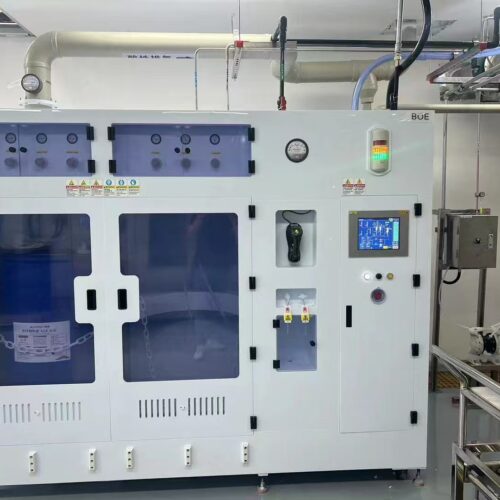
Chemical Delivery Modules for Automated Blending and Precise Dilution in Modern Wafer Cleaning Applications
-
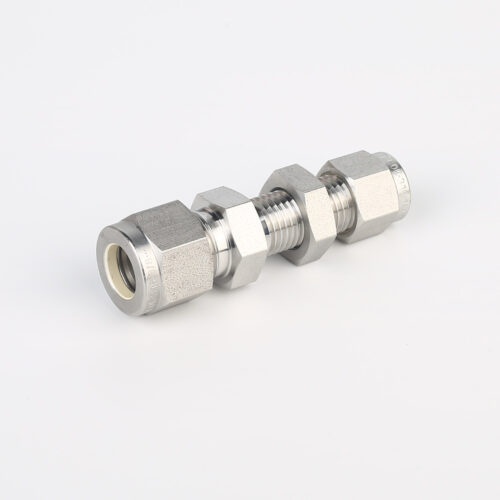
775L Bulkhead Reducing Union | Stainless Steel High Purity Double Ferrule Bulkhead Reducing Unions
-
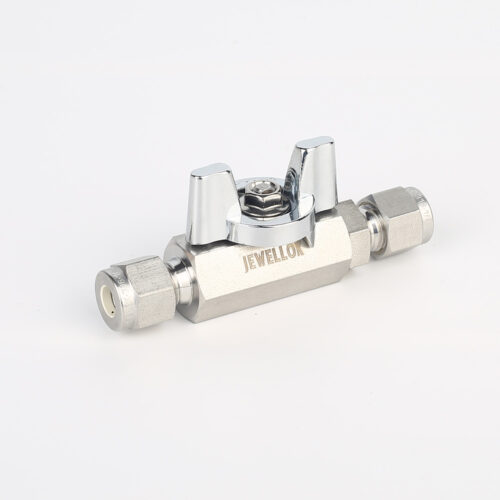
Stainless Steel High-Purity High Temperature Metal Seated Ball Valves JBV3 Series
-
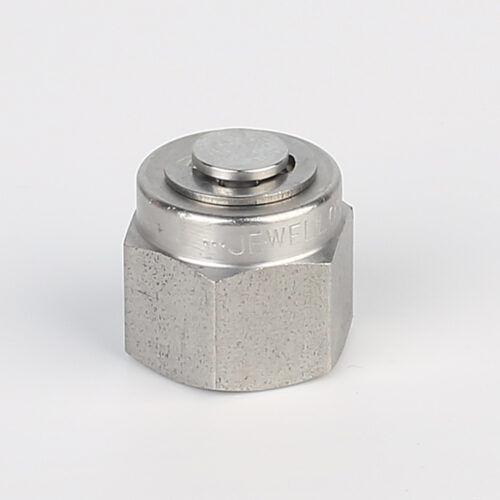
7121L Plug High Purity Plug Fitting And Blanking Plug
-
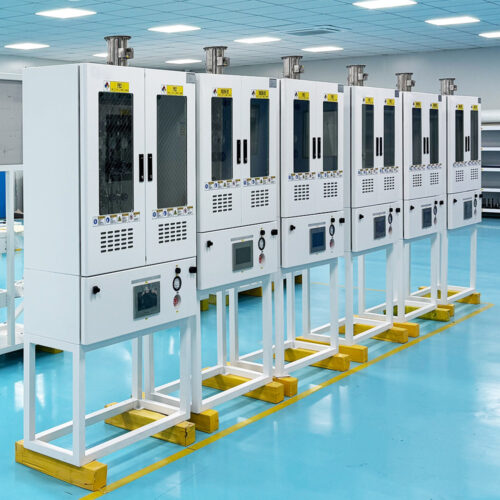
VMB Valve Manifold Panels And Boxes High Purity Configurable Systems JW-200-VMB & JW-100-VMB
-
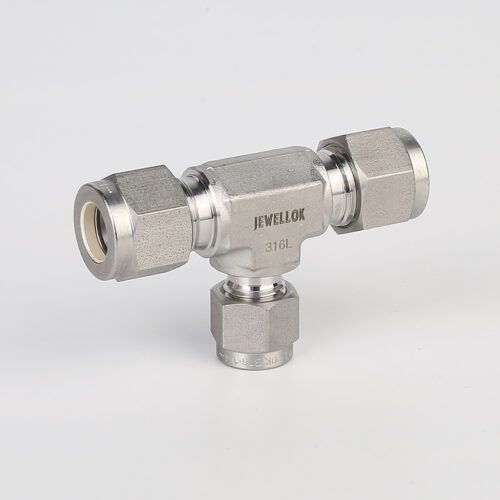
764LR Stainless Steel 316 Reducing Tee UHP Fitting Automatic Buttweld Reducing Tee
-
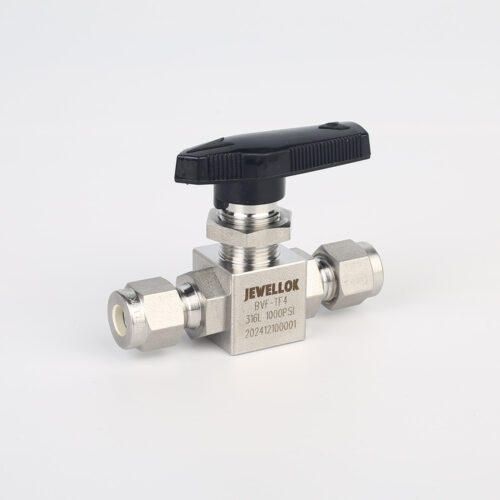
Stainless Steel High Purity High Temperature Pneumatic Actuated Ball Valves JBV2 Series
-
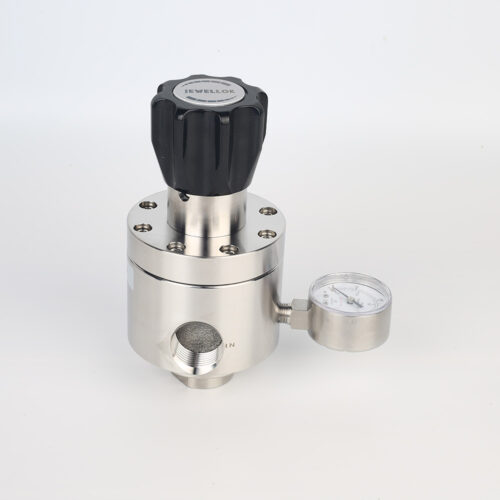
Low Pressure High Flow Line Pressure Regulators And Control Valves JSR-4L Series For Laboratory Pressure Control