
Regulator Manufacturer Tel: +86 13380377051
Regulator Manufacturer Tel: +86 13380377051
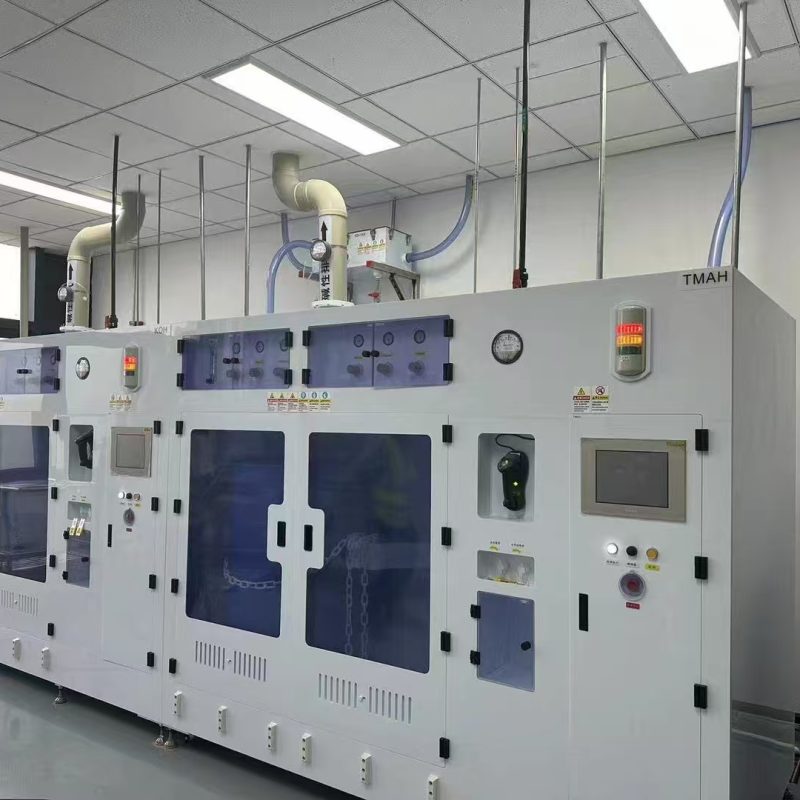
The Complete Buyer’s Guide to Industrial Fume Scrubbers
In the landscape of modern industry, the line between operational efficiency and environmental responsibility is drawn by air pollution control systems. At the heart of these systems for many sectors lies the industrial fume scrubber—a critical piece of equipment designed to neutralize harmful pollutants before they are released into the atmosphere.
Whether you operate a chemical processing plant, a metal finishing facility, or a pharmaceutical lab, selecting the correct fume scrubber is not merely a regulatory checkbox; it is a complex engineering decision that impacts safety, compliance, and your bottom line. This guide provides a comprehensive overview of everything you need to know before making this significant capital investment.
What is an Industrial Fume Scrubber?
An industrial fume scrubber, technically known as a gas scrubber or wet scrubber, is an air pollution control device that removes hazardous materials from industrial exhaust streams. The fundamental principle involves bringing a contaminated gas stream into intimate contact with a scrubbing liquid (typically water or a chemical solution). The liquid absorbs the pollutants, dissolves them, or chemically neutralizes them, leaving a clean gas stream to be exhausted into the environment.
The “used” scrubbing liquid, now containing the captured pollutants, must then be treated or disposed of properly, making scrubbers a transfer system rather than a destruction system (unless followed by secondary treatment).
Why Do You Need One? The Three Pillars of Justification
Before diving into types and specifications, it is essential to define your “why.” Generally, the need for a scrubber falls into three categories:
-
Regulatory Compliance: Governments and environmental agencies (like the EPA) set strict limits on emissions of volatile organic compounds (VOCs), acid gases (HCl, H2SO4), and particulates. Scrubbers help facilities stay within these legal limits, avoiding fines and shutdowns.
-
Worker and Community Safety: By capturing toxic fumes at the source, scrubbers prevent the release of substances that could harm employees on the factory floor or residents in the surrounding community.
-
Production Viability: In some processes, such as metal pickling or semiconductor manufacturing, the build-up of fumes can corrode equipment or contaminate sensitive processes. Scrubbers maintain a clean operational environment.
Types of Fume Scrubbers: Matching Technology to Chemistry
Not all scrubbers are created equal. The physical and chemical properties of your pollutant will dictate the style of scrubber you need. There are three primary categories:
1. Venturi Scrubbers
-
Mechanism: These are the workhorses for particulate matter removal. The high-velocity gas stream is forced through a venturi-shaped constriction. Scrubbing liquid is injected, and the intense turbulence shears the liquid into tiny droplets, which collide with and capture dust particles.
-
Best For: Capturing sub-micron particulates and sticky aerosols. They are less effective for gas absorption unless combined with other systems.
-
Pros: High collection efficiency for fine dusts; no moving parts in the gas stream.
-
Cons: High pressure drop leads to significant energy costs; generates a wet sludge.
2. Packed Bed Scrubbers
-
Mechanism: This is the most common type for gaseous pollutant removal. The scrubber is a vertical tower filled with random or structured packing material (like plastic saddles or rings). The contaminated gas enters at the bottom and rises, while the scrubbing liquid is sprayed from the top. The packing increases the surface area and contact time, allowing for maximum mass transfer of the gas into the liquid.
-
Best For: Absorbing soluble gases like HCl, NH3, or SO2, especially when chemical reactions (like acid neutralization with caustic soda) are required.
-
Pros: High efficiency for gas absorption; relatively low maintenance; customizable with different packing materials.
-
Cons: Can clog if the gas stream contains high particulate loads; requires pre-filtration for dirty gases.
3. Plate (or Tray) Towers
-
Mechanism: Instead of packing material, these scrubbers use horizontal plates (trays) inside the column. Gas bubbles up through liquid layers on each tray, creating intense mixing.
-
Best For: Applications requiring high liquid hold-up or when the chemical reaction is slow and needs more residence time.
-
Pros: Handles high liquid flow rates; allows for inter-stage cooling or chemical addition.
-
Cons: Higher capital cost; higher pressure drop than packed beds; prone to fouling if solids are present.
Key Selection Criteria: The Engineering Specifications
Once you have identified the type of scrubber that aligns with your pollutant, you must move into the detailed engineering phase. Here are the critical data points you need to define before contacting vendors:
1. The Gas Stream Composition and Characteristics
-
What is it? Identify the specific chemical compounds in the exhaust (e.g., Hydrogen Chloride, Chlorine, Ammonia, Particulate).
-
Concentration: What are the inlet loading rates (ppm or grains/dscf)?
-
Temperature: High temperatures can melt plastic scrubbers or require exotic metallurgy.
-
Moisture Content: Is the gas already saturated?
2. Required Removal Efficiency (The “End Game”)
You need to define the target outlet emission rate. A scrubber designed to remove 95% of a pollutant is significantly different (and cheaper) than one designed for 99.9% efficiency. This target is usually dictated by your local environmental permit limits.
3. Gas Flow Rate (CFM)
This determines the physical size of the scrubber. The flow rate, measured in cubic feet per minute (CFM), dictates the diameter of the vessel and the size of the fan required to move the gas through the system. Undersizing the CFM capacity is the most common and costly mistake in scrubber selection.
4. Chemical Selection and pH Control
For gaseous pollutants, the scrubbing liquid is often a chemical reagent.
-
Acid gases (HCl, H2SO4, HF): Typically scrubbed with a caustic solution (NaOH) to neutralize the acid.
-
Chlorine (Cl2): Often requires a caustic and reducing agent like sodium bisulfite.
-
Ammonia (NH3): Requires an acidic solution (usually sulfuric acid) for neutralization.
You must consider the availability, cost, and handling safety of these chemicals. A scrubber is essentially a chemical reactor; your plant must be able to support its “fuel.”
5. Pressure Drop and Fan Sizing
The scrubber creates resistance to the gas flow (pressure drop). The fan must be powerful enough to overcome this resistance. Packed beds generally have a lower pressure drop (2-6 inches w.g.) compared to Venturi scrubbers (20-60 inches w.g.). Higher pressure drop means higher electricity costs for the fan motor.
Material of Construction: The Corrosion Factor
Selecting the right material is vital for longevity. Industrial fume scrubbers are often hot, corrosive, and abrasive.
-
FRP (Fiberglass-Reinforced Plastic): The industry standard for corrosive applications. FRP is lightweight, strong, and inherently resistant to a wide range of chemicals. It is generally the most cost-effective option for temperatures up to 180-200°F.
-
Polypropylene (PP) and PVC: Thermoplastic materials are excellent for highly corrosive acid fumes at lower temperatures (under 180°F). They are often used for smaller, laboratory-scale scrubbers.
-
Stainless Steel (316L, Duplex): Used for high-temperature applications (above 200°F) or where fire safety codes prohibit plastics. However, stainless steel can be attacked by chlorides (chlorine gas or hydrochloric acid), leading to stress corrosion cracking.
-
Rubber-Lined Steel: A cost-effective solution for very large scrubbers where structural strength is needed but chemical resistance is required.
Auxiliary Systems: The “Hidden” Costs
When budgeting for a scrubber, the tower itself is only part of the picture. A complete system includes:
-
The Recirculation Pump: Circulates the scrubbing liquid from the sump to the spray headers.
-
The Mist Eliminator: Located at the top of the scrubber, these chevron blades or mesh pads capture water droplets entrained in the clean gas, preventing “stack rain.”
-
Instrumentation and Controls: pH probes, pressure sensors, and flow meters are essential for monitoring performance and automating chemical feed.
-
The Exhaust Fan and Stack: The fan pulls gas through the system, and the stack disperses the cleaned air.
-
The Chemical Dosing System: Tanks, metering pumps, and controls to maintain the correct chemical strength in the scrubbing liquid.
Regulatory Compliance and Safety Standards
A scrubber is a safety device, so it must be built to code.
-
Permitting: Your scrubber’s performance will likely be tied to your facility’s Title V or state operating permit. Ensure the vendor understands your required outlet limits.
-
Electrical Area Classification: If you are scrubbing flammable vapors, the electrical components (lights, motors, sensors) on the scrubber must be rated for hazardous locations (Class 1, Division 1 or 2).
-
Seismic Zone: If you are in an earthquake-prone area, the vessel must be designed and stamped to withstand seismic loads.
-
Welding Standards: Pressure vessels and critical components should be fabricated to ASME or similar standards where applicable.
Total Cost of Ownership: CAPEX vs. OPEX
The lowest purchase price is rarely the lowest cost over ten years. A thorough buyer’s guide must address the long-term economics.
-
Capital Expenditure (CAPEX): The initial cost of the equipment, engineering, and installation.
-
Operational Expenditure (OPEX):
-
Chemical Consumption: A poorly designed scrubber might require massive amounts of caustic soda to function. A well-designed tower uses chemistry efficiently.
-
Energy Costs: The horsepower of the fan and the recirculation pump runs 24/7. A high-pressure-drop system can cost thousands more per year in electricity.
-
Maintenance: Plastic and FRP systems need inspections for UV degradation and cracks. Pumps and fans need seals and bearings replaced. Mist eliminators need periodic cleaning to prevent fouling.
-
Waste Disposal: The blowdown from the scrubber (spent liquid) is often classified as hazardous waste and must be disposed of properly.
-
Conclusion:
Selecting an industrial fume scrubber is a multidisciplinary task involving chemistry, mechanical engineering, and regulatory science. By taking the time to fully characterize your gas stream, understand your efficiency targets, and evaluate the total cost of ownership, you can select a system that ensures compliance, protects your workers, and provides reliable service for decades.
When in doubt, partner with an experienced vendor early in the process. Provide them with as much data as possible, and ask for references from facilities with similar applications. A scrubber is an investment in the future of your plant and the environment it inhabits.
For more about the complete buyer’s guide to industrial fume scrubbers, you can pay a visit to Jewellok at https://www.specialtygasregulator.com/product-category/specialty-gas-cabinet/ for more info.
-
768L Stainless Steel Male Tube Butt Weld Connector | Clean Weld Fittings And Ultra-High Purity Fittings
-
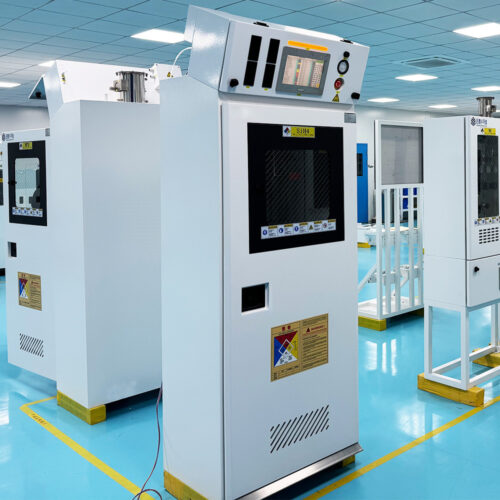
High Purity Bulk Specialty Gas Pressure Control And Filtration Bulk Gas Skid Systems JW-300-BSGS
-
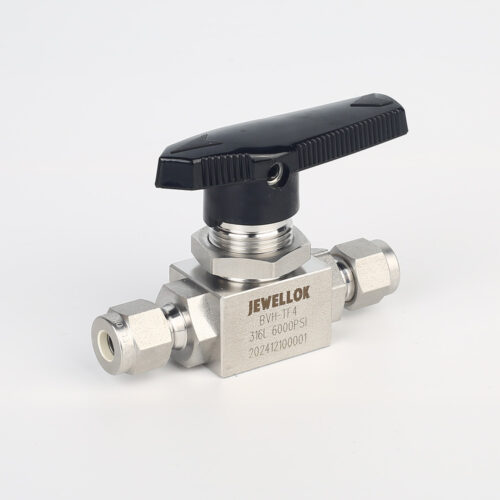
High Purity High Pressure 316 Stainless Steel Ball Valves JBV1 Series From High Pressure Ball Valve Manufacturer And Supplier In China
-
High Purity Bulk Gas Delivery Systems for Semiconductor Manufacturing and Advanced Chemical Distribution Infrastructure
-
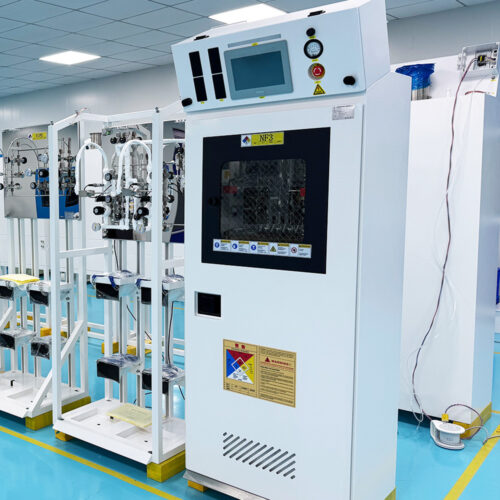
Semi Automatic Gas Cabinet Gas Panels High Purity Gas Delivery Systems JW-200-GC
-
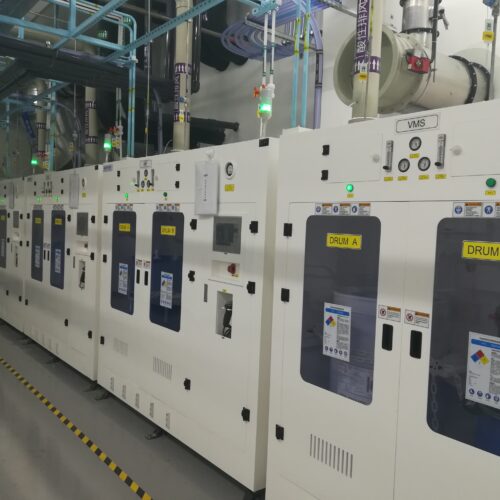
High Purity Liquid Chemical Delivery Systems Designed for Sub Micron Semiconductor Production
-
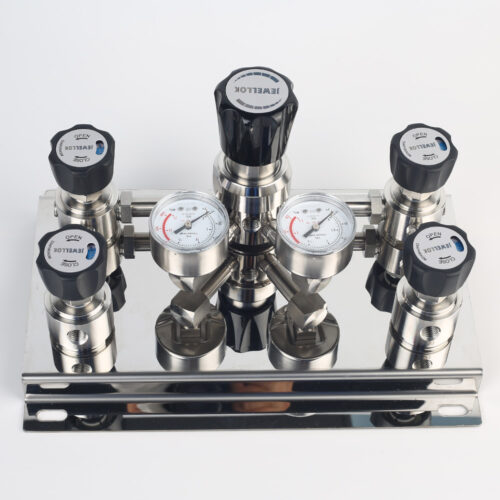
Single Stage Wall And Cabinet Mounting Pressure Control Panels JSP-2E Series For High Purity Gases
-
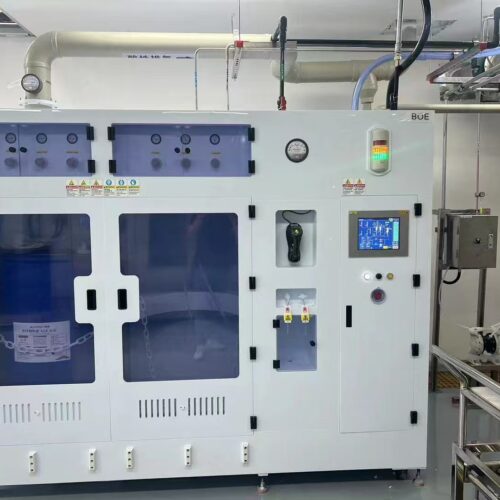
Chemical Delivery Modules for Automated Blending and Precise Dilution in Modern Wafer Cleaning Applications