
Regulator Manufacturer Tel: +86 13380377051
Regulator Manufacturer Tel: +86 13380377051

Ultra-High Purity Corrosive Gas Valves with Superior Sealing Performance and Durability
In advanced industrial sectors such as semiconductor manufacturing, photovoltaic production, fine chemicals, and specialty gas handling, the control and delivery of ultra-high purity (UHP) corrosive gases is a critical process. These gases—including hydrogen chloride (HCl), hydrogen fluoride (HF), ammonia (NH₃), and various halogen-based compounds—are highly reactive, toxic, and corrosive. Ensuring their safe and precise handling requires specialized valve technologies that deliver not only exceptional leak-tightness but also long-term durability under harsh operating conditions.
Ultra-high purity corrosive gas valves are engineered to meet stringent requirements for contamination control, chemical resistance, and operational reliability. This article explores the design principles, material selection, sealing technologies, and performance characteristics that enable these valves to achieve superior sealing performance and durability.
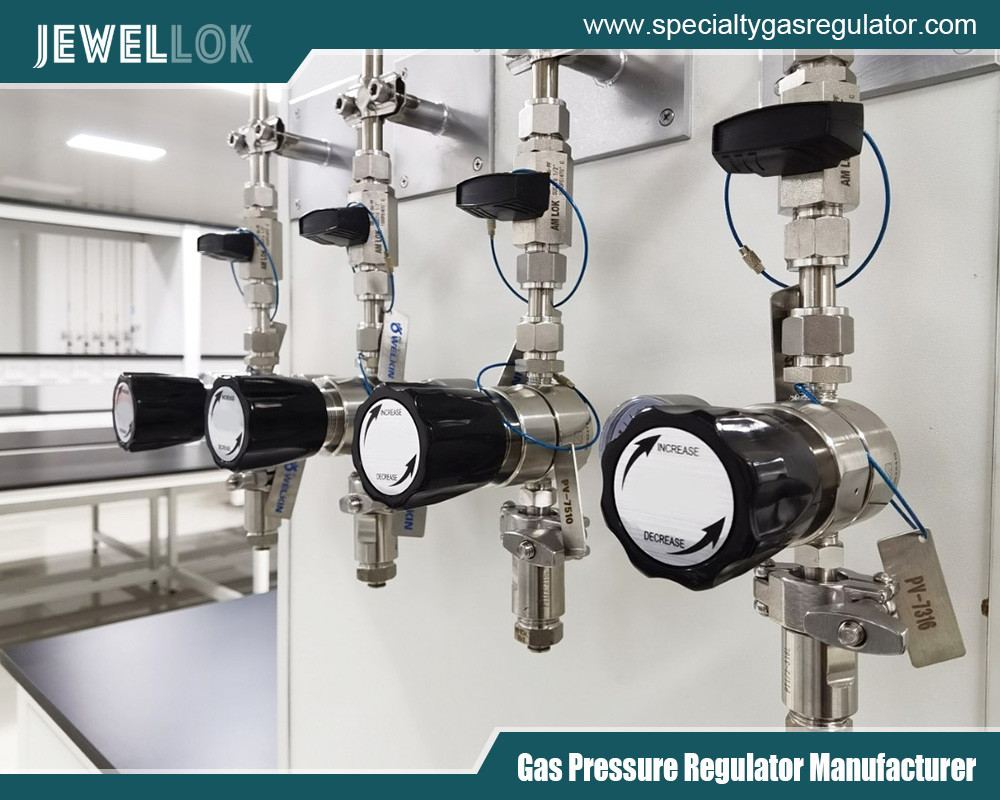
Challenges in Handling Corrosive UHP Gases
Handling corrosive gases at ultra-high purity levels presents several engineering challenges:
- Corrosion Resistance
Corrosive gases can degrade standard metallic and polymeric materials, leading to contamination, leakage, and eventual failure. - Leak Tightness
Even microscopic leaks can result in hazardous exposure, process contamination, or yield loss in sensitive manufacturing environments. - Particle Generation
Mechanical wear or chemical reactions can produce particles, which are unacceptable in semiconductor-grade applications. - Chemical Compatibility
Materials must remain stable and inert when exposed to aggressive gases over long durations. - Pressure and Temperature Extremes
Valves must maintain integrity across varying pressures and temperatures without compromising sealing performance.
Design Considerations for UHP Corrosive Gas Valves
1. Diaphragm Valve Architecture
One of the most widely adopted designs for UHP gas systems is the diaphragm valve. This configuration isolates the process gas from the actuator mechanism using a flexible diaphragm, eliminating dynamic seals that are prone to leakage.
Key benefits include:
- Hermetic sealing between process and environment
- Reduced dead volume and improved purge efficiency
- Minimal particle generation
- High cycle life
2. Surface Finish and Cleanliness
Internal wetted surfaces must be electropolished to extremely low roughness levels (typically ≤ 0.25 µm Ra). This minimizes adsorption sites for contaminants and improves corrosion resistance.
Additionally, valves undergo rigorous cleaning processes, including:
- Ultrasonic cleaning
- High-purity water rinsing
- Cleanroom assembly
- Vacuum packaging
These steps ensure compliance with stringent industry standards.
Advanced Sealing Technologies
1. Metal-to-Metal Sealing
For corrosive and high-purity applications, metal-to-metal sealing is often preferred over elastomeric seals. This approach offers:
- Superior chemical resistance
- No outgassing or permeation
- Excellent high-temperature performance
Common sealing interfaces include:
- Diaphragm-to-body sealing
- Valve seat interfaces
Specialized alloys and precision machining are required to achieve leak rates as low as 1 × 10⁻⁹ mbar·L/s.
2. Welded Diaphragms
Welded diaphragm designs eliminate potential leak paths associated with mechanical joints. Multi-layer diaphragms enhance durability and fatigue resistance, allowing for millions of operating cycles.
3. Springless or Encapsulated Actuation
To prevent contamination and corrosion, advanced valve designs often incorporate:
- Encapsulated springs
- Pneumatic or manual actuators isolated from process gas
- Reduced internal moving parts
Material Selection for Corrosive Environments
Material selection is critical to ensure long-term durability and chemical compatibility.
1. High-Performance Alloys
Common materials include:
- 316L Stainless Steel (VAR or VIM-VAR)
Provides good corrosion resistance and is widely used in UHP systems. - Nickel-Based Alloys (e.g., Hastelloy C-22, C-276)
Offer superior resistance to aggressive halogens and acids. - Monel and Inconel Alloys
Suitable for specific corrosive environments requiring enhanced strength and oxidation resistance.
2. Surface Treatments
To further enhance corrosion resistance:
- Electropolishing improves surface passivation
- Coatings such as fluoropolymers or ceramic layers may be applied in extreme cases
3. Diaphragm Materials
Diaphragms are typically made from:
- Cobalt-based alloys (e.g., Haynes alloys)
- Nickel alloys for enhanced fatigue resistance
- Multi-layer composite structures
Durability and Lifecycle Performance
1. Fatigue Resistance
Frequent valve cycling requires diaphragms that can withstand repeated flexing without cracking or deformation. Multi-layer diaphragm designs distribute stress more evenly, extending service life.
2. Corrosion-Induced Degradation
Long-term exposure to corrosive gases can lead to:
- Pitting
- Stress corrosion cracking
- Material embrittlement
Advanced alloys and proper surface treatments mitigate these risks.
3. Thermal Stability
Valves must maintain sealing integrity under temperature fluctuations. Metal seals outperform elastomers in this regard, ensuring consistent performance.
Leak Integrity and Testing Standards
Ensuring leak-tight performance is a fundamental requirement. Valves are typically tested using helium mass spectrometry to verify ultra-low leak rates.
Key Standards Include:
- SEMI F1 and F19 (Semiconductor Equipment Standards)
- ISO 15848 (Fugitive emissions testing)
- ASTM standards for material and performance validation
Each valve undergoes:
- Helium leak testing
- Pressure cycling tests
- Functional testing
Applications in High-Tech Industries
1. Semiconductor Manufacturing
UHP corrosive gas valves are essential in processes such as:
- Etching
- Chemical vapor deposition (CVD)
- Atomic layer deposition (ALD)
Contamination control is critical, as even trace impurities can affect device performance.
2. Photovoltaic Industry
Used in the production of solar cells, where precise gas delivery ensures efficiency and consistency.
3. Chemical Processing
Handling aggressive gases in controlled environments requires robust valve solutions to ensure safety and compliance.
4. Specialty Gas Distribution Systems
Gas cabinets, valve manifold boxes (VMBs), and bulk gas delivery systems rely heavily on high-performance valves.
Innovations and Future Trends
1. Smart Valve Integration
Modern UHP valves are increasingly integrated with sensors and control systems, enabling:
- Real-time monitoring
- Predictive maintenance
- Automated process control
2. Enhanced Materials
Research continues into:
- Advanced corrosion-resistant alloys
- Nanocoatings
- Hybrid material structures
3. Compact and Modular Designs
Space constraints in fabs and processing facilities drive demand for:
- Miniaturized valves
- Modular gas delivery systems
Conclusion
Ultra-high purity corrosive gas valves play a vital role in ensuring safe, efficient, and contamination-free gas handling in advanced industrial applications. Their ability to deliver superior sealing performance and long-term durability is achieved through a combination of advanced design, high-quality materials, and precision manufacturing.
As industries continue to demand higher purity levels and stricter environmental controls, the evolution of valve technology will remain a key enabler of innovation. From improved sealing mechanisms to smart integration and advanced materials, the future of UHP corrosive gas valves promises even greater reliability and performance.
For more about ultra-high purity corrosive gas valves with superior sealing performance and durability, you can pay a visit to Jewellok at https://www.specialtygasregulator.com/product-category/specialty-gas-cabinet/ for more info.
-
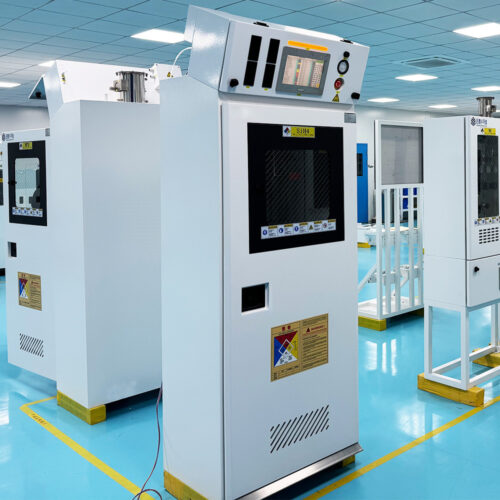
Integrated Scrubber Tail Gas Treatment Cabinet for Safe Bulk Specialty Gas System Exhaust Management
-
Fully Automated Gas Cabinet Gas Rack Gas Delivery Systems JW-300-GR
-
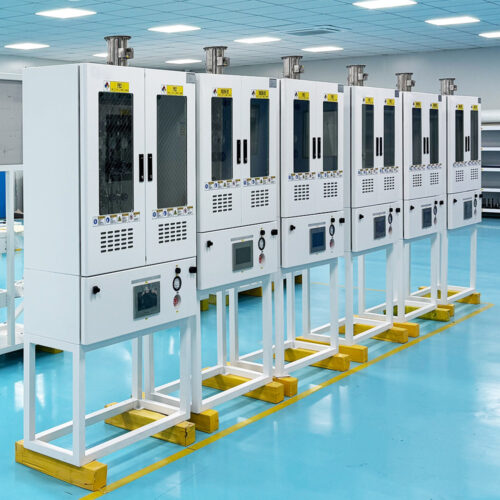
UHP Liquid Chemical Delivery Systems with Nitrogen Blanketing and Secondary Containment for Hazardous Industrial Chemical Processing
-
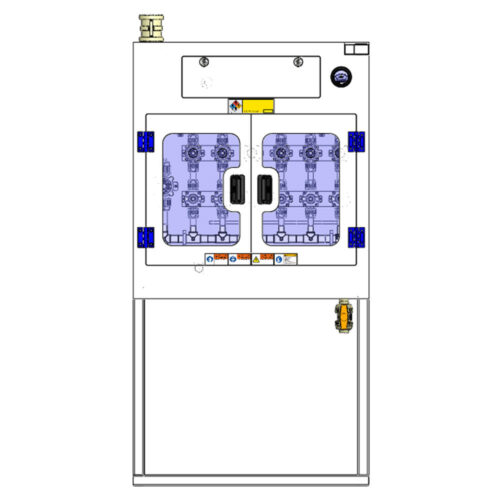
High Purity Configurable Systems VMB Valve Manifold Box JW-200-VMB-C & JW-100-VMB-C
-
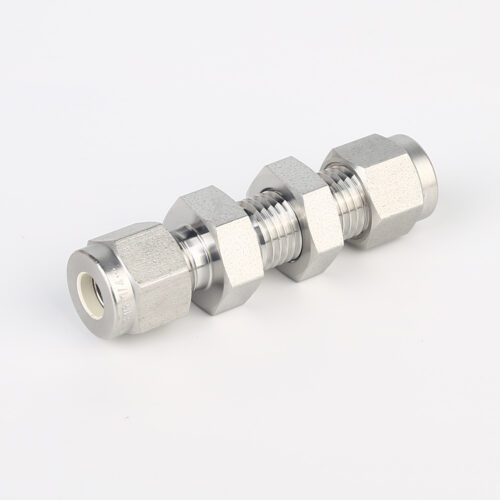
774L Stainless Steel UHP Fittings Butt Weld Bulkhead Union For High Flow Special Gas Fluid
-
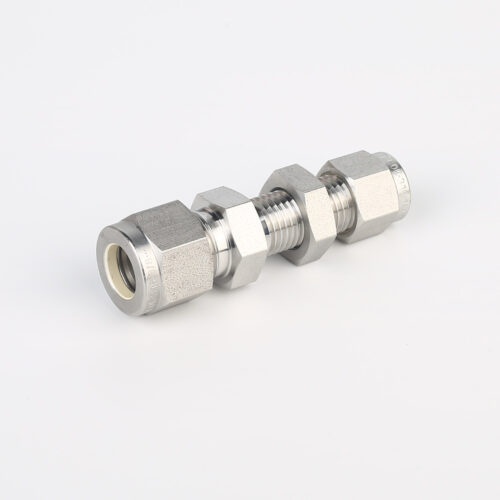
775L Bulkhead Reducing Union | Stainless Steel High Purity Double Ferrule Bulkhead Reducing Unions
-
Ultra High Purity Diaphragm Valves and Pressure Regulators for Reliable Ultra High Purity Liquid Chemical Handling Systems
-
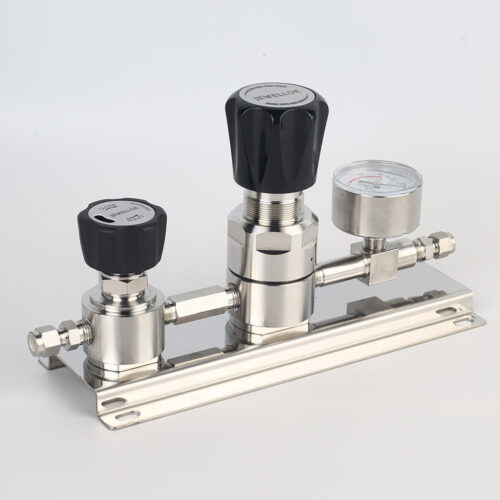
High Purity High Flow Pressure Control Regulators & Valves Gas Stick Assemblies JSR-2TG Series