
Regulator Manufacturer Tel: +86 13380377051
Regulator Manufacturer Tel: +86 13380377051
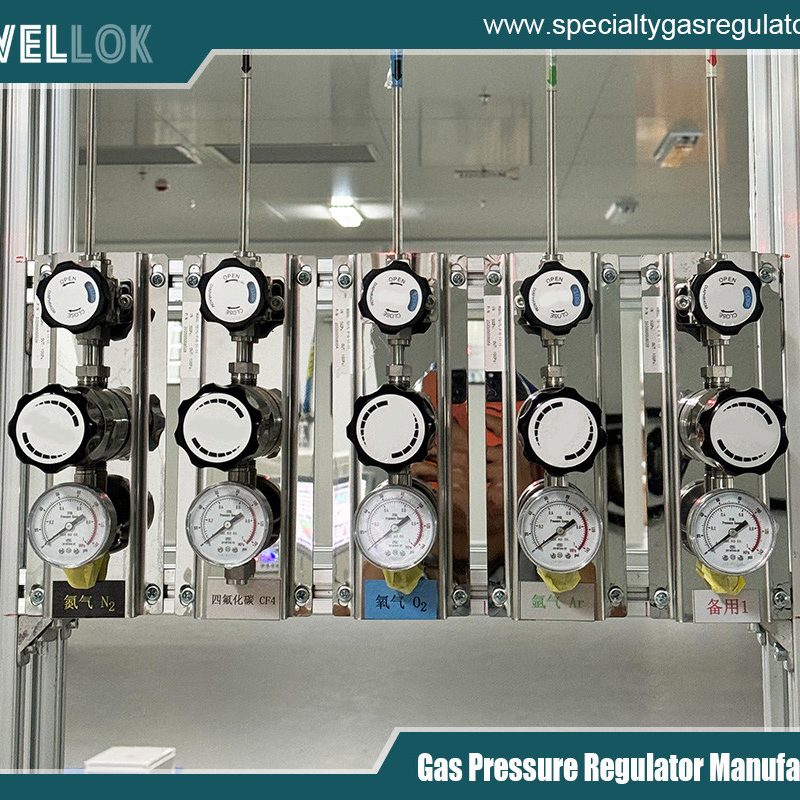
Ultra High Purity (UHP) Neon Gas Pressure Regulators for Semiconductor & Laser Applications
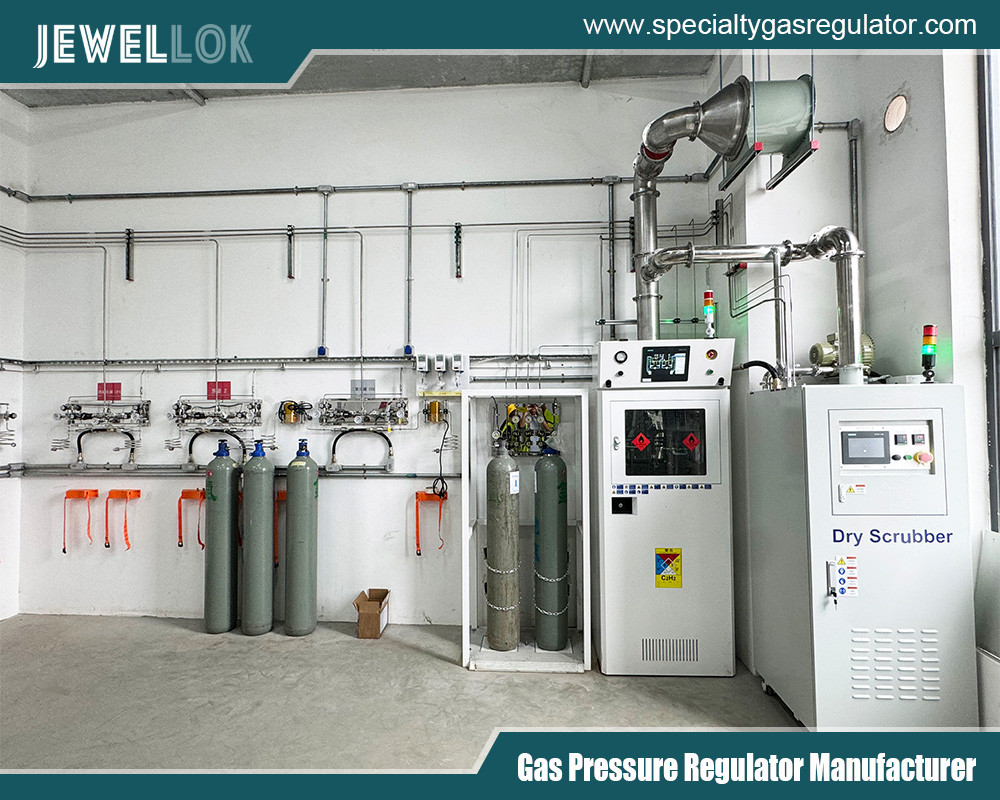
The relentless march of semiconductor technology, driven by the demands of artificial intelligence, high-performance computing, and the Internet of Things, hinges on the precision of its foundational processes. Similarly, advanced laser systems, from Extreme Ultraviolet (EUV) lithography to medical and defense applications, require absolute stability and purity in their operation. For both fields, neon gas has emerged as a critical, though often overlooked, enabler. Its handling, particularly the precise pressure reduction and control from high-pressure cylinders to sensitive process tools, is a discipline of extreme engineering. This article delves into the specialized world of Ultra High Purity (UHP) neon gas pressure regulators, examining their design imperatives, material science, performance characteristics, and the critical role they play in ensuring yield, performance, and innovation in cutting-edge technologies.
- The Criticality of Neon and Precision Gas Delivery
Neon, a noble gas, is far more than the element behind iconic red signs. In the semiconductor industry, it is an irreplaceable component of the excimer laser mixtures used in Deep Ultraviolet (DUV) lithography and, more pivotally, as the gain medium in Laser-Produced Plasma (LPP) systems for EUV lithography at 13.5 nm. The EUV process, which prints features smaller than 10 nm, consumes neon in vast quantities for both plasma generation and buffer gas functions. In laser applications, neon-helium mixtures are staples in various laser types, while pure neon finds use in specialized high-voltage indicators and plasma research.
The common thread is the demand for Ultra High Purity (UHP), typically defined as 99.999% (5.0 grade) or higher, with stringent limits on critical contaminants like moisture (H₂O), oxygen (O₂), total hydrocarbons (THC), and particulates. Impurities at parts-per-million (ppm) or even parts-per-billion (ppb) levels can cause catastrophic effects: in lasers, they quench lasing efficiency, destabilize output, and damage optics; in semiconductor fabrication, they introduce defects, reduce wafer yield, and contaminate multi-million dollar EUV source chambers.
A pressure regulator is the gatekeeper in this purity chain. Its function—to reduce a high, variable cylinder pressure (often 2000+ psig) to a stable, low, process-specific pressure—must be accomplished without adding contaminants, introducing instability, or causing disproportionate flow. A standard industrial regulator is a source of outgassing, particle generation, and metallurgical contamination, utterly unsuitable for UHP service. Thus, the UHP neon regulator is a bespoke component designed around the principles of purity, stability, and cleanliness.
- Design Philosophy and Key Components of a UHP Neon Gas Pressure Regulator
The design of a UHP regulator is an exercise in minimizing all potential sources of contamination and maximizing flow capacity and stability.
2.1 Material Selection: The Foundation of Purity
- Body and Internal Components: 316L stainless steel, particularly an electropolished (EP) or vacuum-melted variant (e.g., 316L VAR), is the standard. Electropolishing removes surface imperfections, creating a smooth, passive oxide layer that minimizes adsorption and facilitates cleaning. For the most critical applications, components may be fabricated from specialty alloys like Monel or Inconel for specific compatibility.
- Sealing Technology: Elastomeric seals (e.g., Viton, EPDM) are typically prohibited due to permeation and outgassing. Instead, metal diaphragm seals are employed. The regulator itself uses a welded metal diaphragm (often stainless steel) to separate the process gas from the spring chamber. All connections to the gas system utilize face seal fittings (e.g., VCJ®, VCO®) with metal gaskets (soft copper or nickel), ensuring a hermetic, zero-clearance seal that can be repeatedly made and broken without generating particles.
- Internal Surface Finish: A high-quality mechanical polish followed by electropolishing is essential. This results in a surface with a low Ra (Roughness Average) value, often < 15 microinches, reducing the surface area where moisture and impurities can adhere.
2.2 Internal Configuration: Diaphragm vs. Piston
- Diaphragm-Type Regulators: These are preferred for most UHP neon applications. A flexible, welded metal diaphragm acts as the sensing element and seal. They offer excellent sensitivity, low hysteresis, and, crucially, a “dead-ended” design where the spring and adjusting mechanism are isolated from the gas stream, preventing contamination.
- Piston-Type Regulators: While offering higher flow capacity for a given size, the sliding piston/sleeve interface is a potential source of friction, wear, and particle generation. For UHP neon, they are less common unless specifically designed with hardened, precision-matched surfaces and integrated particle filtration.
2.3 Specialized Features for Neon Service
- High Flow Coefficient (Cv): Neon’s low molecular weight (20.18 g/mol) means it requires a higher volumetric flow rate than heavier gases like argon for an equivalent mass flow. Regulators for neon must be designed with large orifice sizes and streamlined internal passages to achieve the necessary Cv without excessive pressure drop or sonic flow conditions.
- Non-Evaporable Getter (NEG) Elements: Some advanced regulators incorporate sintered getter materials within internal cavities. These elements actively adsorb trace amounts of H₂, CO, CO₂, and N₂, continuously purifying the gas stream as it passes through.
- Heat Sinks or Heated Bodies: In high-flow applications, the adiabatic expansion of gas (Joule-Thomson effect) can cause significant cooling, potentially leading to ice formation (from trace moisture) and pressure instability. Some regulators integrate heat sinks or external band heaters to maintain a constant body temperature.
- Performance Characteristics and Validation
The specification sheet of a UHP neon regulator tells the story of its capabilities.
- Inlet Pressure Rating: Typically 3000 or 6000 psig, compatible with standard high-pressure neon cylinders.
- Outlet Pressure Range: Fine-control models may have a range of 0-100 psig, while high-flow models might go up to 500 psig. Delivery pressure stability is paramount.
- Gas Purity Maintenance: The regulator itself should be certified to add less than 1 ppm of total impurities (H₂O, O₂, THC, CO, CO₂, N₂). This is validated by Helium Mass Spectrometer Leak Testing (to < 4.0 x 10⁻¹⁰ atm cc/sec He) and rigorous outgassing/analysis per protocols like SEMI F-20.
- Flow Capacity: Stated as a Cv value or with specific flow curves for neon. It must be sufficient to support the peak demand of the tool without “droop” (a decline in outlet pressure as flow increases).
- Cleanliness: Particulate counts are measured per standards like IEST-STD-CC1246D, often requiring < 5 particles >0.1 µm per cubic foot of gas volume passed. Components are cleaned in Class 100 cleanrooms using solvent rinses and baked under vacuum.
- Application-Specific Considerations
4.1 Semiconductor Fabrication – EUV Lithography:
This is the most demanding application. An EUV source consumes neon at rates of tens of liters per minute. The gas delivery system, including regulators, must provide an ultra-stable, pulse-to-pulse consistent flow to maintain plasma stability and protect the costly collector optics. Redundant, dual-regulator panels with automatic switchover are standard to ensure continuous supply during cylinder changeouts. Any impurity can coat optics, reducing reflectivity and crippling scanner throughput.
4.2 Laser Applications:
For excimer lasers (ArF, KrF) and He-Ne lasers, gas mixture consistency is key. A UHP regulator on the neon supply ensures the baseline gas is contaminant-free. In high-power CO₂ lasers, neon is often used as a buffer gas; impurities can lead to arcing and unstable discharge. The regulator’s stability directly influences beam quality and laser power consistency.
4.3 Analytical and Research Applications:
In mass spectrometry or other analytical equipment using neon as a carrier or reagent gas, purity is essential for baseline stability and detection sensitivity. Research into low-temperature plasmas or nuclear fusion (where neon may be used for radiative cooling) also demands the highest levels of gas integrity.
- Integration, Best Practices, and Future Trends
Implementing a UHP neon regulator is not merely a matter of installation. It requires a holistic gas delivery system approach:
- Upstream/Downstream Components: It must be paired with UHP-rated cylinder valves, particulate filters (often 0.003 µm), and PURGE-PROCESS-VENT valve manifolds.
- Proper Installation: Techniques like “flat filing” of metal gaskets, proper torque sequencing, and leak-checking with a sensitive helium detector are mandatory.
- Passivation and Conditioning: Before initial use, the system is often passivated with an inert gas and conditioned by flowing process gas to saturate adsorption sites.
Future trends are pushing the boundaries further:
- Integrated Smart Regulators: Incorporating pressure and temperature sensors, flow meters, and IoT connectivity for real-time monitoring, predictive maintenance, and data logging for yield analysis.
- Additive Manufacturing (AM): 3D printing of regulator bodies allows for optimized, monolithic internal geometries that minimize dead legs, improve flow dynamics, and reduce potential contamination zones impossible to machine traditionally.
- Enhanced Gettering: Development of more efficient, selective NEG materials integrated directly into gas stream paths for real-time, in-situ purification.
- Conclusion
The Ultra High Purity neon gas pressure regulator is a paradigm of precision engineering, a critical nexus where high-pressure storage meets the infinitesimally precise world of nanoscale fabrication and photonic science. It is not a commodity valve but a carefully engineered safeguard, ensuring that the neon gas—a vital and costly resource—is delivered with the immaculate purity and rock-solid stability demanded by the most advanced technologies on the planet. As semiconductor nodes continue to shrink and laser applications grow more sophisticated, the evolution of these regulators—towards greater intelligence, integration, and inherent purity—will remain a quiet but essential enabler of progress. In the ecosystem of high-tech manufacturing, they are a testament to the fact that controlling the fundamentals, down to the last atom of gas, is what ultimately allows us to build the future.
For more about ultra high purity (UHP) neon gas pressure regulators for semiconductor & laser applications, you can pay a visit to Jewellok at https://www.specialtygasregulator.com/product-category/specialty-gas-cabinet/ for more info.
-
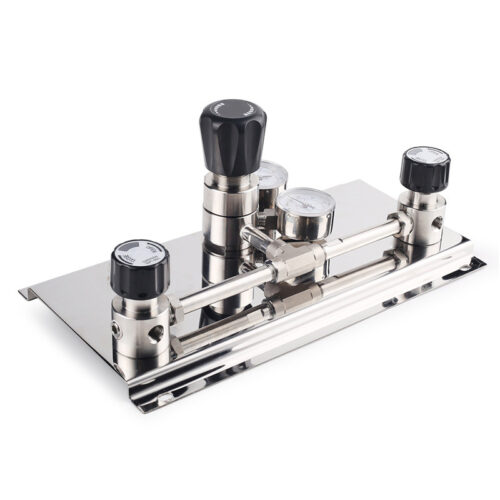
High Purity Semi-Auto Stainless Steel Changeover Manifold System, Nitrogen High Pressure Control Panel With Semiconductor Valve Manifold Box Diaphragm Valves
-
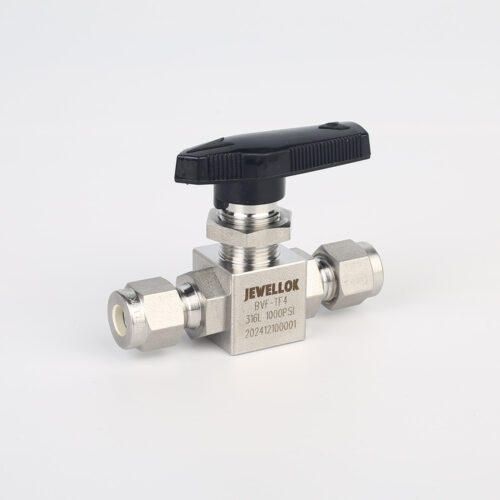
Stainless Steel High Purity High Temperature Pneumatic Actuated Ball Valves JBV2 Series
-
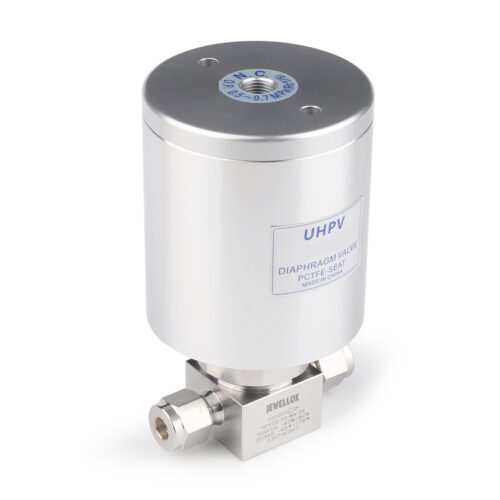
High Pressure High Temperature Pneumatic Ultrahigh Purity Stainless Steel Diaphragm Valves
-
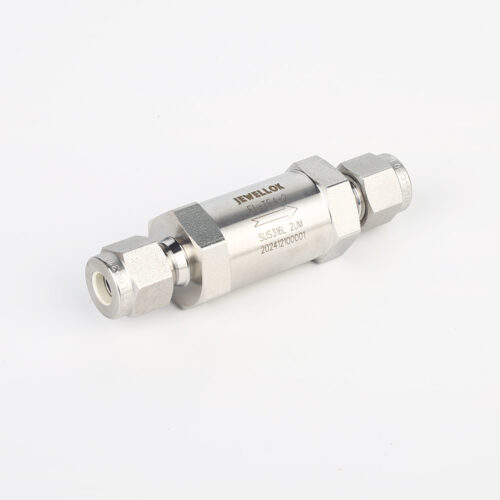
JF Series In-Line Gas Filters | High Purity High Precision High Flow Semiconductor Gas Filter Gas Filtration & Purification
-
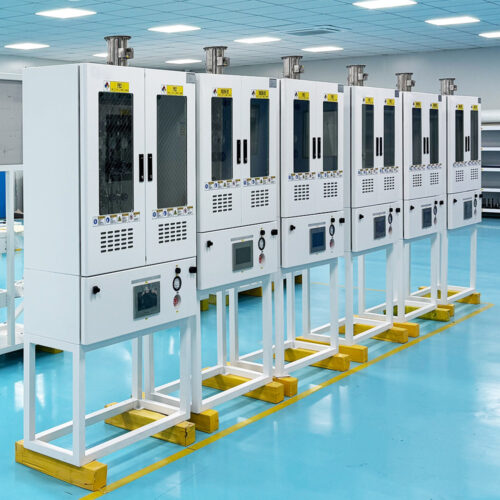
Integrated Gas Delivery Solutions with VMB Valve Manifold Box and Automatic Gas Switchover Systems for Industrial
-
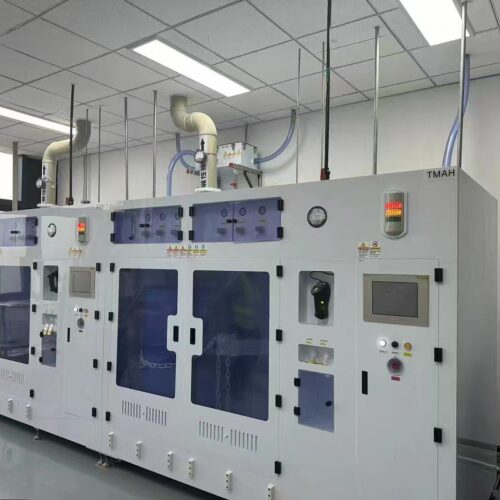
Custom Bulk Chemical Delivery System and Automatic Chemical Dispense Unit (CDU) for Solar Cell and EV Battery Production
-
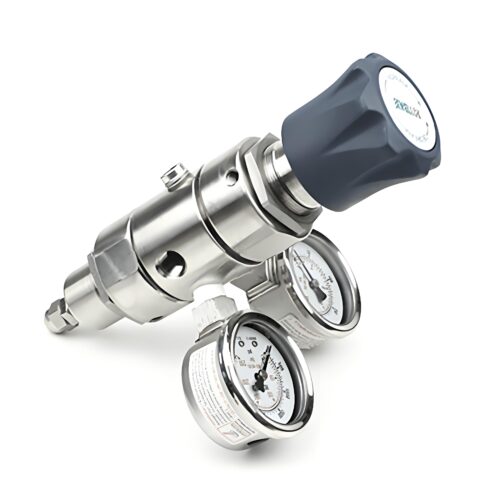
DPR1 Ultra High Purity Two Stage Dual Stage Pressure Reducing Regulator Semiconductor Grade Regulators
-
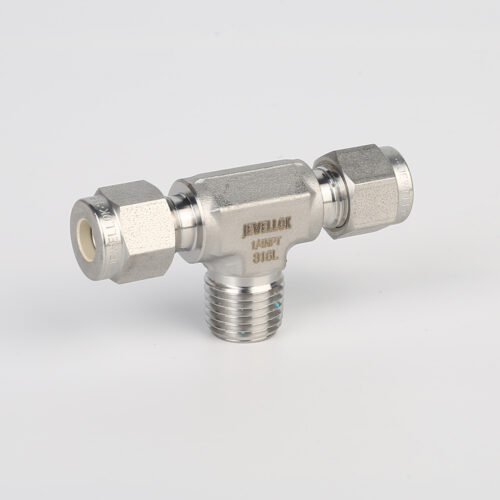
772L Male Branch Tee | Stainless Steel High-Purity Tube Fitting Male Branch Tee