
Regulator Manufacturer Tel: +86 13380377051
Regulator Manufacturer Tel: +86 13380377051
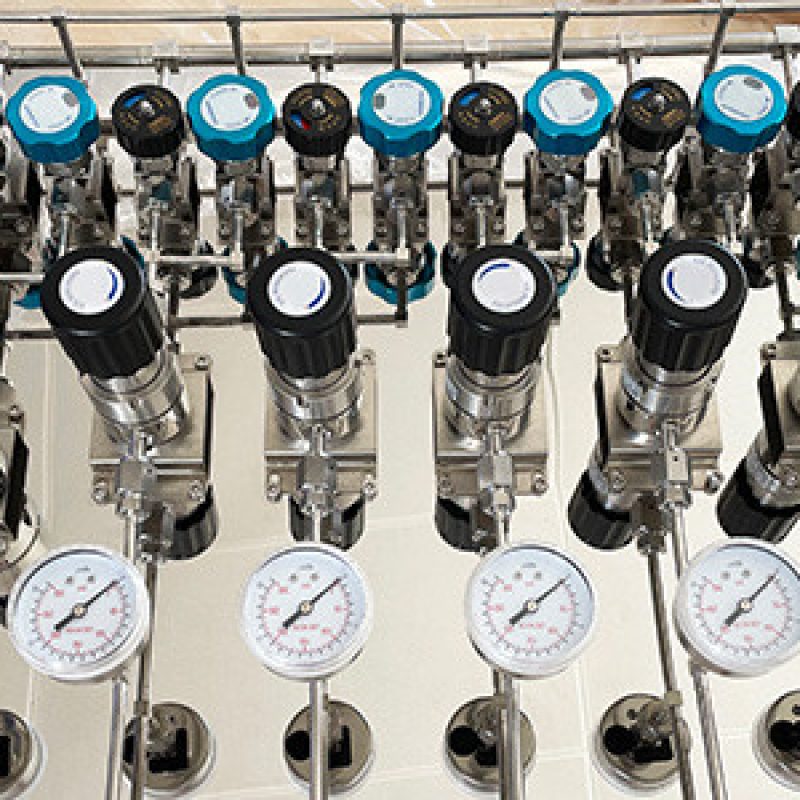
Understanding UHP Low Flow Low Pressure Diaphragm Valves: A Technical Overview
In the realm of fluid control systems, precision and purity are paramount, especially in industries where even the slightest contamination can lead to catastrophic failures or compromised product quality. The UHP low flow low pressure diaphragm valve stands out as a critical component designed to meet these stringent demands. UHP, or ultra-high purity, refers to systems that handle gases or fluids with minimal impurities, often at parts-per-billion levels. These valves are engineered for low flow rates and low pressure environments, making them ideal for applications in semiconductor manufacturing, pharmaceutical production, and biotechnology.
The UHP low flow low pressure diaphragm valve operates by using a flexible diaphragm to isolate the process media from the valve’s actuating mechanism. This design ensures that the fluid path remains uncontaminated, as there are no dynamic seals or packing materials that could introduce particles or leaks. Typically, these valves handle pressures up to 150 psi and flow coefficients (Cv) as low as 0.05, allowing for precise control in sensitive processes. Their compact size and high reliability have made them indispensable in cleanroom environments where space is limited and uptime is crucial.
This article delves into the technical aspects of UHP low flow low pressure diaphragm valves, exploring their design, materials, operating principles, applications, advantages, maintenance considerations, and future trends. By understanding these valves, engineers and technicians can better select and integrate them into high-purity systems.
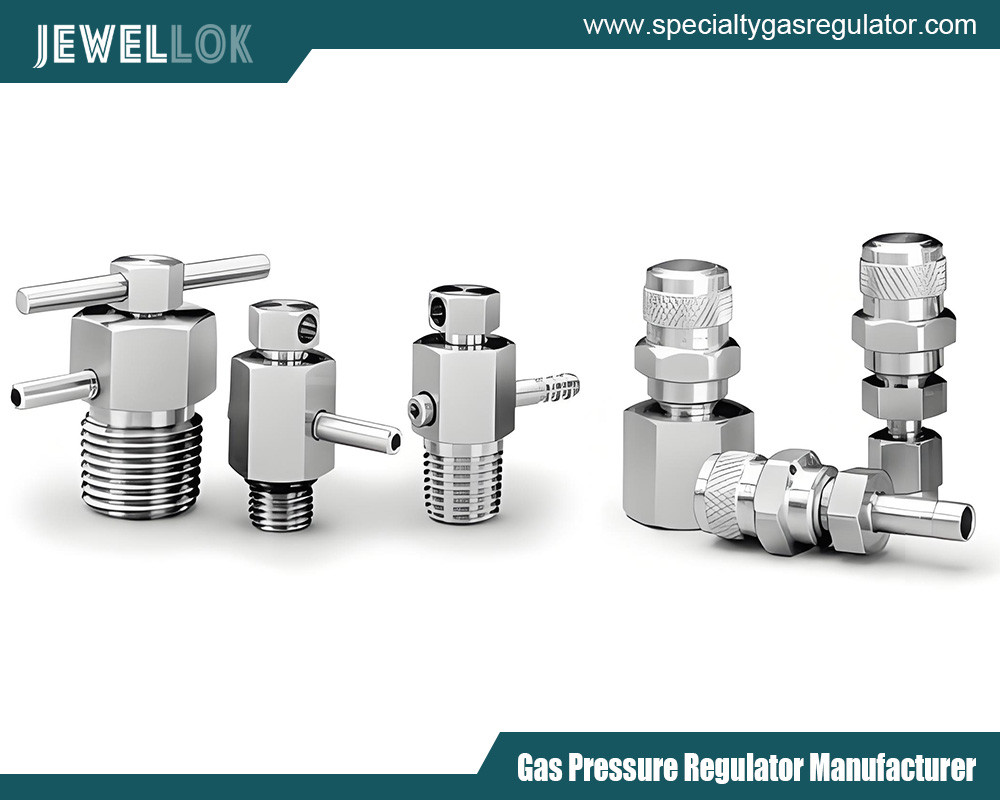
Design and Construction
The core design of a UHP low flow low pressure diaphragm valve revolves around its diaphragm, which acts as both a seal and an actuator interface. Unlike traditional globe or ball valves, the diaphragm valve uses a weir or saddle-shaped body to control flow. In low pressure models, the diaphragm is often made from elastomeric materials or multi-layered composites to withstand repeated flexing without failure.
A typical UHP low flow low pressure diaphragm valve features a body machined from a single block of stainless steel, minimizing potential leak paths. The internal surfaces are electropolished to achieve a surface roughness (Ra) of less than 10 microinches, which reduces particle adhesion and facilitates easy cleaning. The valve’s actuation can be manual, via a handwheel, or pneumatic, using compressed air for remote operation.
In low flow configurations, the orifice size is deliberately small—often ranging from 1/8 inch to 1/4 inch—to ensure accurate metering of fluids. The low pressure rating allows for operation in vacuum-to-atmospheric conditions, with some models capable of handling differential pressures as low as 1 psi. Springless designs are common in UHP applications to eliminate potential sources of contamination from metal fatigue or corrosion.
Key components include:
– Body: Constructed from 316L stainless steel or its variants for corrosion resistance.
– Diaphragm: Often a proprietary blend of PTFE (polytetrafluoroethylene) and elastomers for chemical inertness and flexibility.
– Bonnet: Houses the actuator and is sealed to prevent external contaminants.
– End Connections: Face seal fittings, such as VCJ or tube butt welds, ensure leak-tight connections in UHP systems.
These elements are assembled in cleanroom conditions to maintain purity standards, with helium leak testing performed to verify integrity down to 1×10^-9 atm-cc/sec.
Materials Selection
Material choice is critical in UHP low flow low pressure diaphragm valves to ensure compatibility with aggressive chemicals and to maintain purity. The primary material is 316L stainless steel, which offers excellent resistance to corrosion from halogens, acids, and bases commonly used in semiconductor etching processes.
For enhanced purity, manufacturers employ 316L VIM-VAR (Vacuum Induction Melted – Vacuum Arc Remelted) stainless steel. This process reduces inclusions and impurities, resulting in a material with superior surface finish and mechanical properties. Diaphragms are typically multi-layered: an inner layer of virgin PTFE for media contact, backed by EPDM or Viton for structural support.
In some advanced models, the diaphragm is entirely metal-free, using all-welded construction to avoid outgassing. Seals and O-rings, if present, are made from high-purity elastomers like Kalrez or Chemraz, which resist swelling and degradation in harsh environments.
The selection of materials directly impacts the valve’s performance metrics, such as cycle life (often exceeding 1 million cycles) and particle generation. Low sulfur content in the steel minimizes pitting, while electropolishing and passivation treatments enhance the passive oxide layer for better corrosion protection.
Operating Principles
The operation of a UHP low flow low pressure diaphragm valve is straightforward yet highly effective for purity control. When the valve is closed, the diaphragm is pressed against the weir by the actuator, creating a hermetic seal. To open, the actuator retracts, allowing the diaphragm to flex upward and permit flow.
In low pressure scenarios, the valve relies on the inherent elasticity of the diaphragm rather than high spring forces, reducing wear and particle shedding. Flow control is achieved by modulating the actuator position, with pneumatic versions offering proportional control via positioners.
Leak integrity is a hallmark of these valves. Internal leaks are prevented by the diaphragm’s barrier, while external leaks are minimized through welded or metal-to-metal seals. Pressure drop across the valve is low due to the streamlined flow path, making it suitable for low flow applications where energy efficiency is key.
Thermal considerations are also important; these valves can operate from -40°C to 150°C, with some models rated for cryogenic service. In UHP systems, the valve’s dead space is minimized to reduce purge times and prevent media stagnation.
Applications
UHP low flow low pressure diaphragm valves find extensive use in industries requiring uncontaminated fluid handling. In semiconductor fabrication, they control the delivery of specialty gases like silane, ammonia, and chlorine for wafer processing. Their low flow capability ensures precise dosing, critical for uniform deposition layers.
In pharmaceuticals, these valves are employed in bioprocessing equipment for handling sterile fluids and buffers. The ability to withstand clean-in-place (CIP) and sterilize-in-place (SIP) procedures makes them ideal for maintaining aseptic conditions.
Biotechnology applications include cell culture media distribution and chromatography systems, where low pressure operation prevents shear damage to sensitive biomolecules. In analytical instrumentation, such as gas chromatographs, they provide reliable sample isolation.
Other sectors include photovoltaic manufacturing for gas control in thin-film deposition and aerospace for handling high-purity propellants. Their versatility stems from customizable configurations, allowing integration into modular systems.
Advantages Over Other Valve Types
Compared to needle valves or bellows-sealed valves, the UHP low flow low pressure diaphragm valve offers superior purity and ease of maintenance. Needle valves may introduce particles from stem packing, while bellows can fatigue over time.
The diaphragm design provides a positive shut-off with minimal torque, reducing operator fatigue in manual models. Low internal volume minimizes media waste during purging, a cost-saving feature in expensive gas systems.
Reliability is enhanced by the absence of sliding or rotating parts in the fluid path, leading to lower failure rates. In terms of cost, while initial investment may be higher, the long service life and reduced downtime justify the expense.
Maintenance and Installation
Proper installation is key to maximizing the performance of UHP low flow low pressure diaphragm valves. They should be mounted in a way that allows easy access for actuation and avoids stress on connections. Use of orbital welding for tube ends ensures leak-free joints.
Maintenance involves periodic diaphragm replacement, typically every 500,000 to 1,000,000 cycles, depending on media and conditions. Visual inspections for cracks or discoloration are recommended, along with leak testing using mass spectrometers.
Cleaning protocols include ultrapure water rinses and nitrogen purges to remove residues. In pneumatic models, actuator lubrication should be avoided to prevent contamination migration.
Troubleshooting common issues, such as sticking diaphragms, often points to over-pressurization or incompatible media. Adhering to manufacturer specifications ensures longevity.
Future Trends
As industries push for higher purity levels, innovations in UHP low flow low pressure diaphragm valves are emerging. Smart valves with integrated sensors for real-time monitoring of pressure, flow, and leak detection are on the horizon, enabling predictive maintenance.
Material advancements, such as nanostructured coatings, promise even lower particle generation. Integration with Industry 4.0 systems will allow remote diagnostics and automation.
Sustainability is also a focus, with designs optimizing energy use in low pressure operations. Miniaturization will cater to increasingly compact process tools.
Conclusion
The UHP low flow low pressure diaphragm valve represents a pinnacle of engineering in fluid control, balancing precision, purity, and reliability. Its role in enabling advanced manufacturing and research cannot be overstated. As technology evolves, these valves will continue to adapt, supporting the next generation of high-purity applications.
For more about uhp low flow low pressure diaphragm valve, you can pay a visit to Jewellok at https://www.specialtygasregulator.com/product/stainless-steel-low-pressure-seal-pneumatic-diaphragm-control-valve-for-for-hp-uhp-gases/ for more info.
-
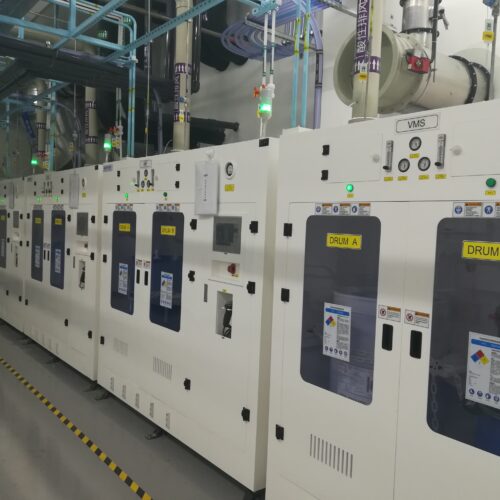
High Purity Liquid Chemical Delivery Systems Designed for Sub Micron Semiconductor Production
-
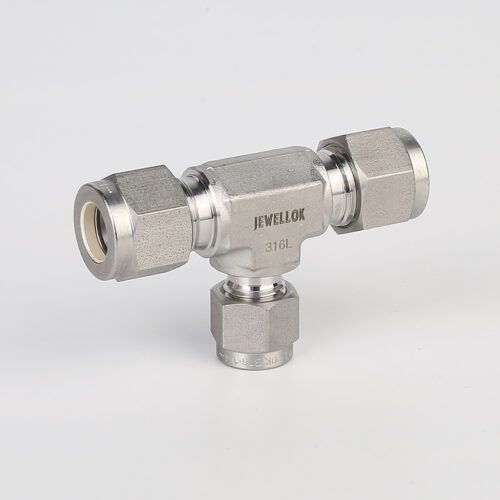
764LR Stainless Steel 316 Reducing Tee UHP Fitting Automatic Buttweld Reducing Tee
-
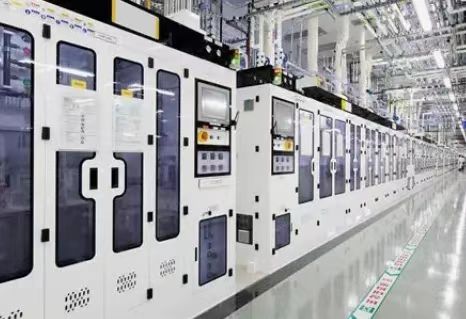
Automatic Chemical Delivery Module (CDM) and Chemical Delivery System (CDS) for Precise Point of Use Blending and Dilution
-
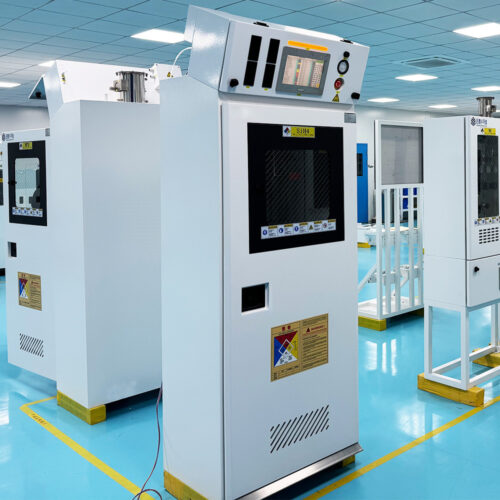
High Purity Bulk Specialty Gas Pressure Control And Filtration Bulk Gas Skid Systems JW-300-BSGS
-
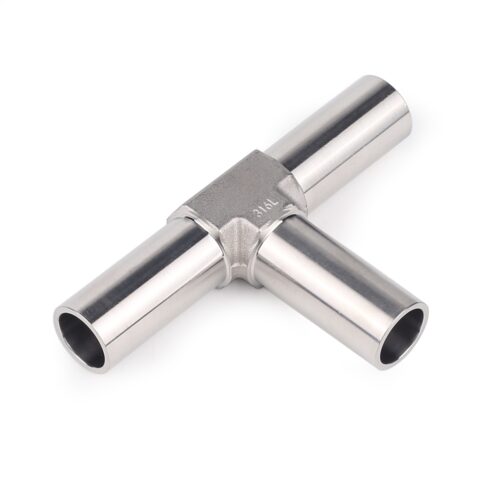
Stainless Steel Ultra Clean Welding Joint Fittings TW Series TRW Series & CW Series
-
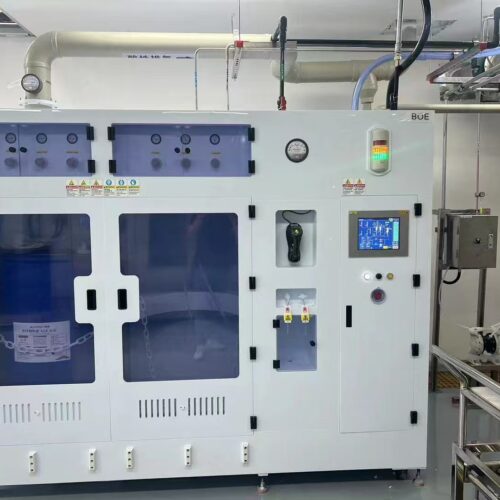
High Purity Bulk Chemical Delivery System and Automatic CDU for Advanced Semiconductor Manufacturing and Fabrication
-
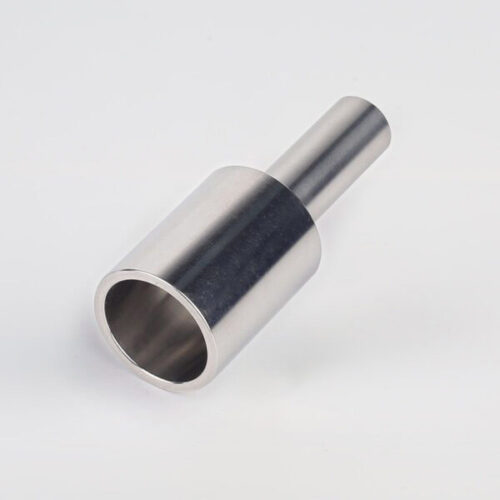
316L Stainless Steel Tube Butt Weld Reducing Fittings Union Reducer RW Series Ultrahigh Purity Process
-
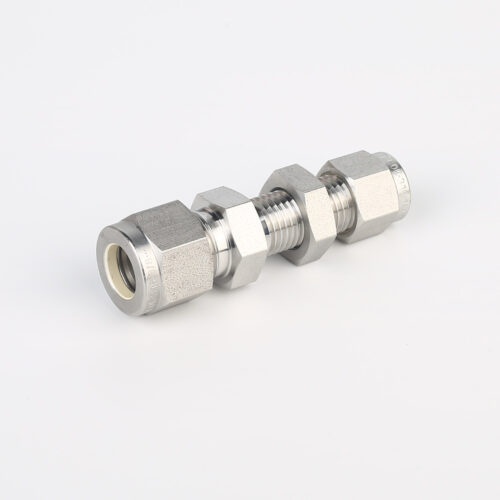
775L Bulkhead Reducing Union | Stainless Steel High Purity Double Ferrule Bulkhead Reducing Unions