
Regulator Manufacturer Tel: +86 13380377051
Regulator Manufacturer Tel: +86 13380377051
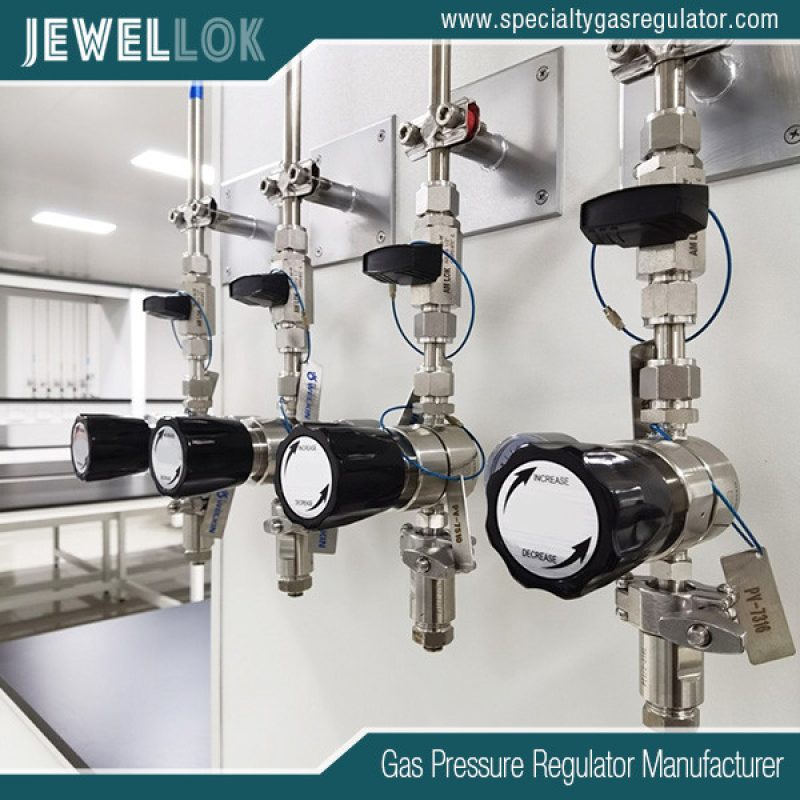
What Maintenance Procedures Are Required for Specialty Gas Pressure Regulator Valves Used in Continuous-Operation Specialty Gas Systems to Maintain Precision and Reliability?
In the high-stakes environments of semiconductor fabrication, pharmaceutical production, and advanced analytical laboratories, specialty gas systems are the unsung circulatory system of precision. These systems, often operating 24/7, demand unwavering reliability and nanometer-level accuracy in gas delivery. At the heart of this delivery lies the specialty gas pressure regulator valve—a sophisticated device translating high, unstable cylinder pressures into a stable, precise stream. However, unlike a “set-and-forget” component, the regulator in a continuous-operation system is a high-precision instrument subject to constant stress. Without a disciplined, proactive maintenance regimen, its performance will inevitably degrade, leading to costly process drift, contamination, or catastrophic failure.
Maintenance for these regulators transcends simple periodic checks; it is a systematic philosophy rooted in prevention, monitoring, and understanding failure modes. This article outlines the essential maintenance procedures required to preserve the precision and reliability of specialty gas pressure regulators in demanding, non-stop applications.
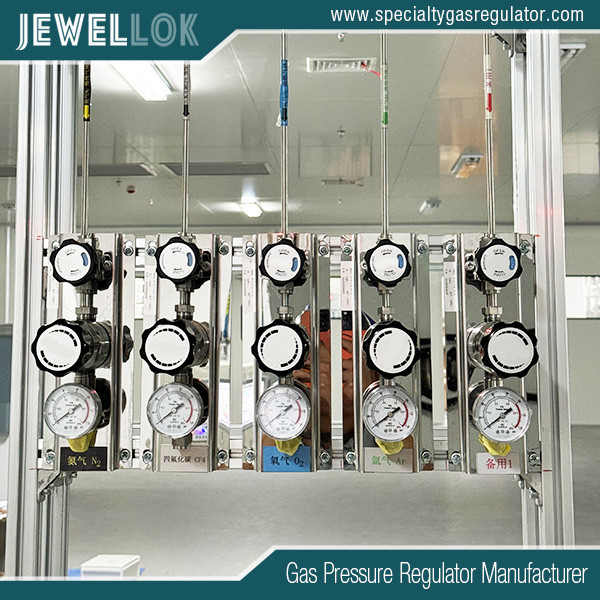
Part 1: Foundational Maintenance Philosophy: Proactivity Over Reactivity
The core principle for maintaining specialty gas pressure regulator valves in continuous operation is Preventive and Predictive Maintenance (PM/PdM), moving decisively away from run-to-failure models.
- Preventive Maintenance (PM): Scheduled, interval-based activities (e.g., quarterly, bi-annually) designed to prevent failure. This includes inspections, cleaning, and replacement of wearable components before they exceed their service life.
- Predictive Maintenance (PdM): Condition-based activities triggered by performance monitoring. This involves tracking data like outlet pressure stability, leak check results, and particulate counts to predict when maintenance will be needed.
This dual approach minimizes unplanned downtime, which in a continuous process like a semiconductor etch line or a bioreactor feed system, can cost tens of thousands of dollars per hour.
Part 2: Core Maintenance Procedures & Schedules
A comprehensive maintenance program is built on the following pillars:
- Routine Operational Monitoring (Daily/Weekly)
This is the first line of defense, often performed by operations technicians.
- Visual Inspection:
- Leak Check: Daily or at each shift change, perform a sniff test with a calibrated toxic/combustible gas detector or use a non-corrosive leak detection solution (e.g., Snoop®) on all regulator connections, especially the inlet CGA connection, outlet fittings, and gauge ports. For ultra-high purity (UHP) systems, a helium mass spectrometer leak detector may be used during scheduled purges.
- Physical Integrity: Look for signs of corrosion, discoloration (indicating overheating or chemical attack), physical damage, or ice formation (indicative of adiabatic cooling from a large leak or high flow).
- Gauge Verification: Check that both inlet and outlet pressure gauges are reading plausibly and that the needle is not sticking. Note any slow drift in the outlet pressure under constant flow conditions.
- Performance Logging:
- Record the outlet pressure setpoint and the actual pressure reading under normal flow. A gradual increase in the offset between setpoint and actual pressure (droop) can indicate spring fatigue, seat wear, or contamination.
- Note the supply cylinder pressure. Planning for cylinder changeovers before they are empty prevents the regulator from experiencing the maximum inlet pressure drop, which stresses the seat and can cause larger pressure transients.
- Scheduled Preventive Maintenance (Quarterly/Annually)
This involves taking the regulator offline according to a pre-defined schedule or based on manufacturer recommendations (often every 6-12 months for critical service).
- Safe Decommissioning and Purge:
- Isolate the regulator by closing the cylinder valve and the downstream isolation valve.
- Safely vent the trapped gas in the regulator body through a verified vent system, never to atmosphere for hazardous gases. For toxic or pyrophoric gases, this is followed by a multi-step purge cycle with an inert gas like nitrogen or argon to thoroughly evacuate the process gas.
- Disassembly, Inspection, and Cleaning:
- Procedure: Following the manufacturer’s exact procedure, disassemble the regulator in a clean, dedicated environment—ideally a Class 1000 or better clean bench for UHP systems. Use the proper tools to avoid damaging soft seals and machined surfaces.
- Component Inspection:
- Seat & Poppet: This is the most critical wear point. Examine the seat (soft elastomer or metal) and the poppet tip for grooves, erosion, pitting, or deformation. Any imperfection will cause creep (pressure rise under no-flow) or instability. Replace as a matched set.
- Diaphragm: Inspect the metal or elastomer-coated diaphragm for cracks, pinholes, fatigue marks, or chemical degradation. A failing diaphragm is a major safety and performance risk.
- Springs: Check the control spring and any auxiliary springs for signs of corrosion, discoloration, or set (permanent deformation).
- Filters: Remove and inspect the inlet sintered metal filter. Replace it if it shows a significant pressure drop increase (measured during operation) or visible particulate loading.
- Internal Surfaces: Look for particulate contamination, discoloration, or etching of the internal body and bore.
- Cleaning: For UHP systems, cleaning is not optional. Components are typically subjected to a multi-step solvent clean (e.g., high-purity acetone, methanol) followed by ultrasonic agitation in specialized detergents, multiple DI water rinses, and oven drying in a particle-controlled environment. The goal is to remove volatile residues (NVR) and particulate matter to sub-ppm levels.
- Reassembly and Sealing:
- Reassemble with entirely new seal kits. Elastomer seals (O-rings, stem seals, diaphragm inserts) should never be reused. They compress over time (cold flow) and can harbor micro-tears or embedded contaminants.
- Use only manufacturer-specified lubricants, if any (many UHP regulators are assembled dry or with specific, low-outgassing lubricants applied minutely).
- Torque all fasteners to the manufacturer’s specification using a calibrated torque wrench to ensure even loading and proper seal compression.
- Calibration, Testing, and Recertification
After reassembly, the regulator must be functionally validated before returning to service.
- Leak Testing: Perform a high-sensitivity pressure decay test or helium mass spec leak test on the fully assembled regulator. Test both the static seals and, critically, the seat seal under pressure.
- Outlet Pressure Calibration: Connect the regulator to a clean, dry test gas source and a certified, high-accuracy pressure transducer/calibrator. Verify that the setpoint pressure matches the delivered pressure across the regulator’s operating range. Check for linearity and hysteresis.
- Functionality Tests:
- Creep Test: With the inlet pressurized and the outlet valve closed, monitor the outlet pressure for any rise over an extended period (e.g., 30 minutes). Any significant creep indicates a failing seat seal.
- Lock-Up Test: Similar to creep, but verifies the regulator can achieve a tight shut-off.
- Flow-Pressure Characteristic: For critical applications, test the outlet pressure stability while subjecting the regulator to a simulated step-change in downstream flow. This validates its dynamic response.
Part 3: Specialized Considerations for Continuous Operation
- Hot-Swapping & Redundant Systems: For truly continuous processes, maintenance cannot mean shutdown. Systems are designed with fully redundant gas panels (A/B or more). This allows a regulator to be taken offline for maintenance while its twin supplies the process. The design of the manifold must include proper valving for safe, zero-interruption changeover.
- Regulator “Farming”: Many large-scale operations adopt a modular regulator exchange program. A stock of identical, pre-cleaned and certified regulators is maintained. When a regulator in service reaches its maintenance interval, it is swapped with a freshly serviced unit from stock. The removed unit then enters the maintenance queue. This maximizes system uptime.
- Condition Monitoring Sensors: Advanced installations integrate continuous pressure transducers and flow meters downstream of key regulators. Data logging software tracks stability and can alert to deviations that predict impending failure, triggering predictive maintenance.
Part 4: Record-Keeping and Training
- Regulator Lifecycle Log: Each regulator should have a dedicated logbook or digital record (often tracked via a serial number). This log includes: initial installation date, all service dates, findings during inspections, replaced components (with lot numbers for traceability), leak test and calibration results, and the specific gas service history. This is vital for quality assurance and troubleshooting.
- Personnel Training: Maintenance must be performed by technicians specifically trained on specialty gas regulators. They must understand the chemistry of the gases involved (e.g., the dangers of incompatible materials with corrosives), the criticality of cleanliness for UHP systems, and the precise mechanical assembly techniques required. Training should be documented and refreshed regularly.
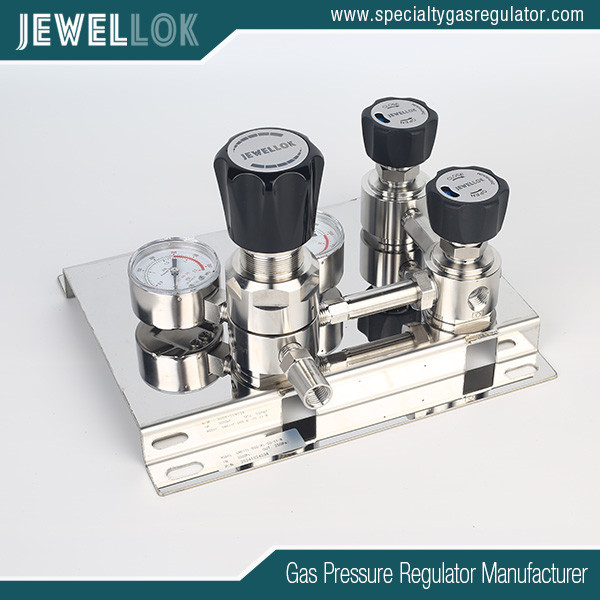
Conclusion
For a specialty gas pressure regulator valve in a continuous-operation system, precision and reliability are not intrinsic, permanent traits. They are dynamic states preserved through a rigorous, disciplined maintenance culture. This culture views the regulator not as a commodity valve but as a critical process instrument.
Effective maintenance is a closed loop: it begins with proper regulator selection for the gas and duty cycle, proceeds through meticulous installation, is sustained by vigilant monitoring and scheduled proactive care, and is validated by precise recalibration. The documented history then informs future decisions, creating a cycle of continuous reliability improvement.
In industries where a single part-per-billion shift in gas composition or a 0.1 psi pressure flutter can scrap a million-dollar production run, the investment in such a comprehensive maintenance program is not an operational cost—it is the fundamental insurance policy for product quality, operator safety, and ultimate profitability. The steady, reliable flow of gas is the lifeblood of modern precision industry, and it is maintained not by chance, but by deliberate, expert procedure.
For more about what maintenance procedures are required for specialty gas pressure regulator valves used in continuous-operation specialty gas systems to maintain precision and reliability?, you can pay a visit to Jewellok at https://www.specialtygasregulator.com/about/ for more info.
-
Stainless Steel Fully Automatic Gas Switchover Manifold System Automatic Gas Cylinder Switchover Co2 Cylinder Auto Changeover Controller
-
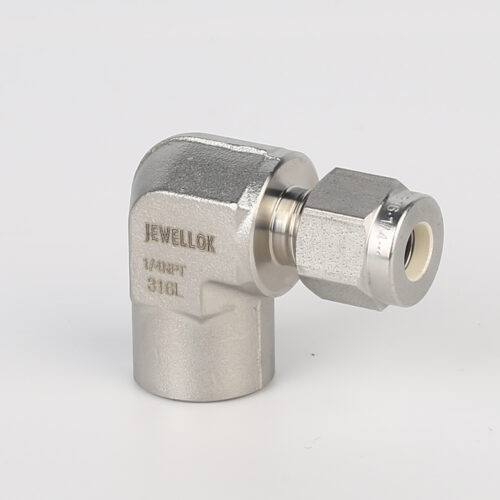
770L Female Elbow | Stainless Steel High Purity Weld Fittings Female Micro Elbow Fittings
-
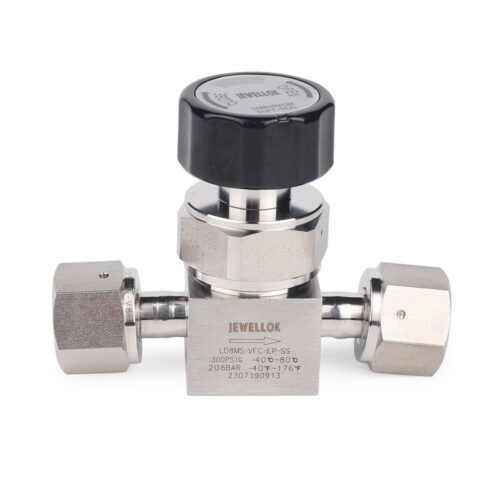
Flow Control Stainless Steel Low Pressure Manual Diaphragm Valve For High Purity And Ultra High Purity Gases
-
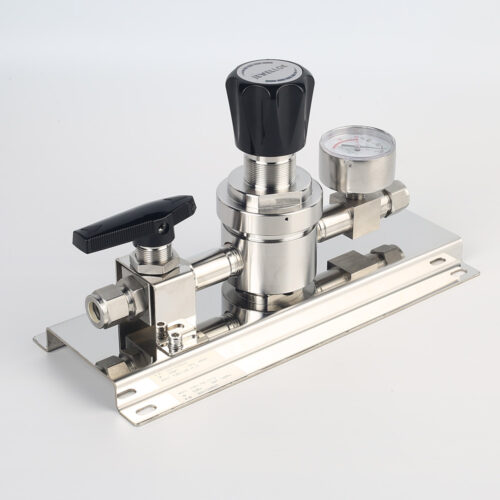
High Purity And Industria Gas Stick Assemblies Precise Pressure Control Gas Systems JSR-1ETG-BV Series
-
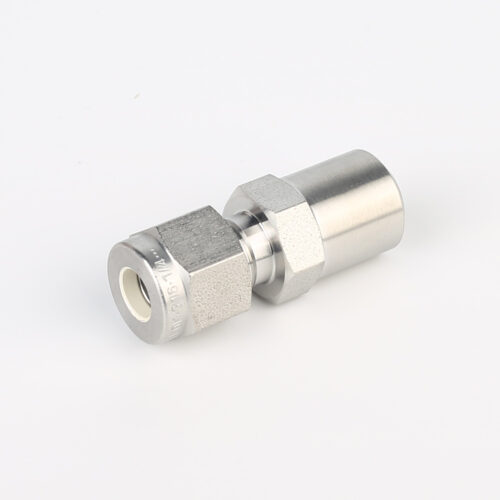
768LN Stainless Steel Male Pipe Tube Butt Weld Connector And Tube Fittings Supplier
-
767LT Reducer Pressure Reducing Valve Adjustment High purity Pressure Reducing Union Fittings And Tubing
-
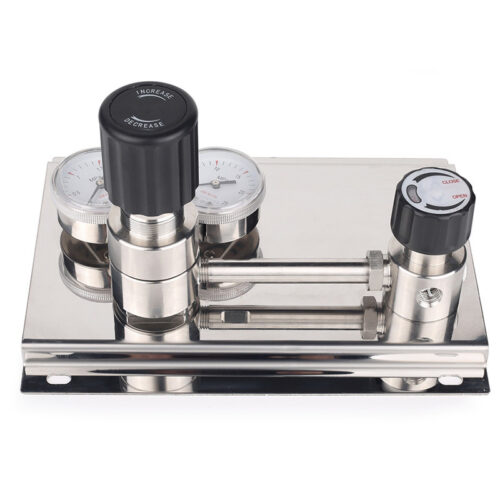
Stainless Steel 316L Single Stage Regulator Pressure Control Panels JSP-1E Series For Semiconductor Fluid Control
-
High Purity Liquid Chemical Delivery Systems Designed for Sub Micron Semiconductor Production