
Regulator Manufacturer Tel: +86 13380377051
Regulator Manufacturer Tel: +86 13380377051

Choosing the Right Regulator for Ultra Pure Xenon: 5 Key Factors
In the world of high-tech manufacturing and scientific research, few substances are as valuable—and as sensitive—as ultra high purity (UHP) xenon regulator. Used extensively in the semiconductor industry for ion milling and deposition processes, as well as in advanced propulsion research and medical imaging, xenon’s effectiveness is entirely dependent on its purity. Even a single part-per-million (ppm) contamination event can compromise an entire batch of semiconductor wafers or invalidate months of physics research.
While much attention is paid to the purity of the source gas cylinder, the most vulnerable point in any gas delivery system is often the pressure regulator. The regulator is the mechanical heart of the gas panel, and if chosen incorrectly, it acts as a vector for contamination, a source of leakage, or a performance bottleneck.
Selecting a regulator for ultra pure xenon is not a “one-size-fits-all” exercise. It requires a meticulous evaluation of materials, design, and performance specifications. Here are the five key factors you must consider to ensure system integrity and process repeatability.

1. Material Compatibility and Surface Finish (The Purity Interface)
When dealing with ultra pure xenon regulator, the regulator is not just a mechanical device; it is a chemical reactor waiting to happen. If the materials used to construct the regulator are incompatible with the gas or the cleaning process, they can outgas contaminants or react with the xenon.
The Wetted Materials
The “wetted materials” are all the internal surfaces that come into direct contact with the xenon stream. For UHP applications, the standard choice is 316L stainless steel or 316L VAR (Vacuum Arc Remelted). VAR steel is preferred because the remelting process reduces the inclusion of non-metallic impurities, creating a denser, more corrosion-resistant substrate.
However, stainless steel is rarely the only material present. The most critical component is the seat or seat seal. In lower-grade regulators, this might be made of standard elastomers like Buna-N or Neoprene, which are highly permeable and can outgas hydrocarbons. For xenon, you must insist on PCTFE or Vespel.
-
PCTFE holds up well at cryogenic temperatures (relevant if xenon is being drawn as a liquid) and offers excellent resistance to permeation.
-
Vespel (a polyimide) offers superior creep resistance and stability in high-pressure differentials, ensuring that the seal doesn’t deform over time and trap particles.
Surface Finish (Ra)
A standard industrial regulator might have a surface finish of 20-25 microinches (Ra). Under a microscope, this looks like a mountain range. These peaks and valleys are perfect hiding spots for moisture, oxygen, and machining oils. Over time, these contaminants desorb into the xenon stream.
For UHP xenon, you require an electropolished finish of 10 Ra (microinches) or better. Electropolishing removes the “peaks” of the surface, smoothing it out and reducing the surface area available for contaminants to adhere to. It also passivates the stainless steel, enriching the chromium oxide layer that protects against corrosion.
2. Diaphragm Technology: The Barrier Against Permeation
The method by which the regulator controls pressure is the single biggest differentiator between a “clean” regulator and a “dirty” one. There are two primary technologies used in high-purity regulation: diaphragm seals and packless designs.
The Case Against Packless (Conventional) Designs
Standard compressed gas regulators often use a “packed” design where the valve stem moves through a packing nut or Teflon packing to open and close the seat. This creates friction points and potential leak paths. While cost-effective, these designs are unacceptable for ultra pure xenon because they trap particles and allow atmospheric gases to permeate into the gas stream over time.
The Diaphragm Seal Advantage
For UHP xenon, a diaphragm-sealed regulator is mandatory. In this design, a flexible metal diaphragm isolates the gas stream from the actuating mechanism (the bonnet and handle). There are two types:
-
Compressed Diaphragm: Layers of metal are stacked and compressed to form a seal.
-
Welded Diaphragm: The diaphragm is welded to the stem, creating a hermetic seal.
A welded diaphragm is the gold standard. It ensures that the only path for gas is through the inlet and outlet; there are no threads or springs exposed to the gas. This eliminates the risk of atmospheric gases diffusing backward through the stem seal into your xenon. Furthermore, the lack of sliding seals means no particle generation from mechanical friction.
3. Operating Pressure and Delivery Characteristics
Xenon is a heavy gas (atomic weight 131.3 u) with unique thermodynamic properties. It is often stored at high pressures—sometimes exceeding 6000 psi in specialized vessels, though typically around 2200-2600 psi in standard cylinders. When selecting a regulator, you must analyze the entire pressure curve.
Inlet vs. Outlet Relationship
You must choose a regulator that can handle the maximum inlet pressure of your supply (including temperature fluctuations) while providing stable outlet pressure as the cylinder empties.
-
Single-Stage Regulators: These reduce cylinder pressure to delivery pressure in one step. As the cylinder pressure drops, the outlet pressure will naturally “creep” or rise slightly. This is often unacceptable for sensitive xenon processes that require exacting consistency.
-
Dual-Stage Regulators: These reduce pressure in two steps. The first stage drops the cylinder pressure to an intermediate level, and the second stage regulates that intermediate pressure down to the final delivery pressure. This design virtually eliminates “droop” (pressure decay) as the cylinder empties, providing constant outlet pressure until the cylinder is nearly exhausted.
Flow Capacity (Cv)
Xenon is expensive. If your regulator is undersized (has a low flow coefficient, Cv), it will create a pressure drop (choked flow) that starves your process. If it is oversized, it can be difficult to control precise low-flow settings. Match the Cv of the regulator to your peak flow requirements. For semiconductor tools, ensure the regulator can handle the surge demand without a significant drop in set pressure.
4. Connection Types and Purge Ports
A regulator is only as clean as its connections. If the regulator has NPT (tapered pipe) threads on the inlet and outlet, it is likely unsuitable for ultra pure service. NPT threads rely on thread sealant (like Teflon tape or pipe dope) to create a seal. These sealants are organic and will outgas, contaminating the xenon. Furthermore, the threads themselves create dead volume where contaminants can accumulate.
The VCJ/Face Seal Standard
For UHP xenon, connections must be metallic compression or gasket-sealed types:
-
Face Seal (e.g., VATR, Parker, etc.): Uses a metal gasket (usually nickel or stainless steel) compressed between two flat faces. This creates a metal-to-metal seal with virtually zero dead volume.
-
Compression Tube Fittings (e.g., Swagelok VCJ): Similar principle, using a gland and nut to compress a gasket.
Integral Purge Ports
Look for regulators with dedicated purge ports. During system start-up or cylinder change-out, air and moisture will enter the line. A regulator with a purge port allows you to connect a vacuum pump or a purge gas line to evacuate these contaminants from the dome of the regulator before opening the cylinder valve. This prevents a “slug” of air from being forced into your process line when you first initiate flow.
5. Leak Integrity: Internal and External
Given the cost of xenon (often hundreds of euros per liter) and the critical nature of the processes it enables, leaks are financially and operationally devastating. Regulator specifications must be scrutinized for leak rates.
External Leakage
This is gas leaking from the regulator into the atmosphere. Specifications are usually given in atm cc/sec (atmospheric cubic centimeters per second) of helium. For UHP xenon, you should demand an external leak integrity of 1×10⁻⁹ atm cc/sec or better. This is typically verified by a helium mass spectrometer leak test. If a regulator is leaking xenon at a higher rate, you are not only losing money but also creating a potential safety hazard in an enclosed space (xenon is an asphyxiant).
Internal Leakage (Seat Leakage)
This refers to gas passing through the seat when the regulator is supposed to be fully shut off (the “dead-end” seal). If a regulator has high internal leakage, it can over-pressurize downstream components when the system is idle. For diaphragm regulators with high-performance seats (PCTFE/Vespel), you should look for a seat leakage specification of 1×10⁻⁹ atm cc/sec or less.
Summary Checklist for Procurement
To ensure you select the correct regulator, use the following checklist when engaging with suppliers:
-
Materials: Are all wetted parts 316L stainless steel or better? Is the seat material PCTFE or Vespel?
-
Finish: Is the surface finish electropolished to 10 Ra or better?
-
Design: Is it a welded diaphragm regulator to prevent atmospheric contamination?
-
Pressure: Is it dual-stage (or appropriate single-stage) to handle the specific inlet pressure without droop?
-
Connections: Does it feature face seal or VCJ connections, and does it have integral purge ports?
-
Certification: Does the regulator come with a certificate of compliance and actual test data showing it meets the <1×10⁻⁹ leak rates?

Conclusion
Choosing a regulator for ultra pure xenon is a decision that directly impacts process yield, research validity, and operational cost. While the initial cost of a high-quality welded diaphragm regulator with electropolished surfaces and PCTFE seats is significantly higher than a standard industrial regulator, it is negligible compared to the cost of a single failed production run.
By focusing on material compatibility, diaphragm technology, pressure control stability, connection integrity, and verifiable leak rates, you ensure that your ultra pure xenon arrives at the point of use exactly as it left the supplier: pure.
For more about choosing the right regulator for ultra pure xenon: 5 key factors, you can pay a visit to Jewellok at https://www.specialtygasregulator.com/ for more info.
-
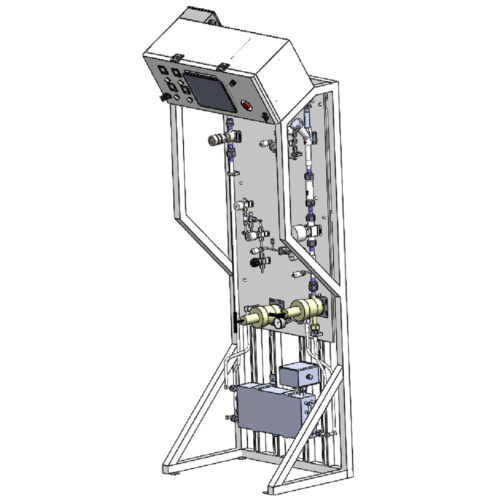
Fully Automated Gas Cabinet Gas Rack Gas Delivery Systems JW-300-GR
-
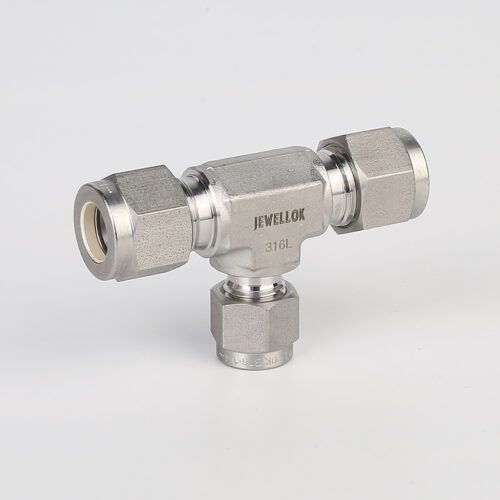
764LR Stainless Steel 316 Reducing Tee UHP Fitting Automatic Buttweld Reducing Tee
-
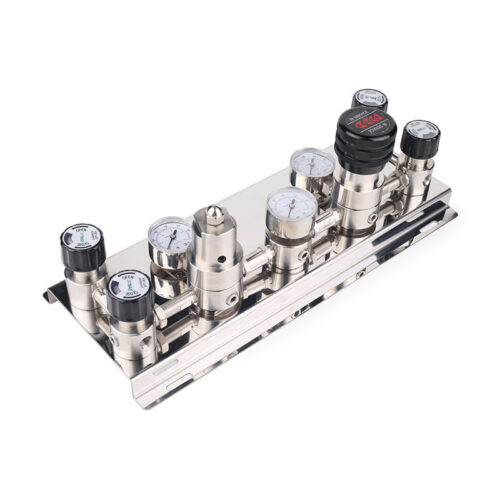
Stainless Steel High Pressure Specialty Gas Changeover Manifold For High Purity Oxygen Nitrogen Argon Helium Hydrogen Co2
-
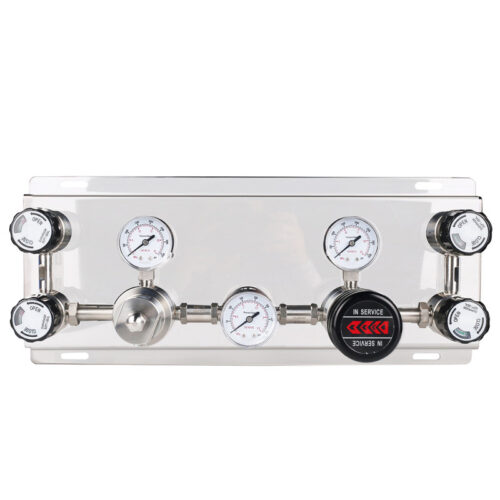
Semi Automatic And Automatic Switching Speicialty Gas Changeover Manifold Panel With Semiconductor Valve Manifold Box Gas Pressure Regulators
-
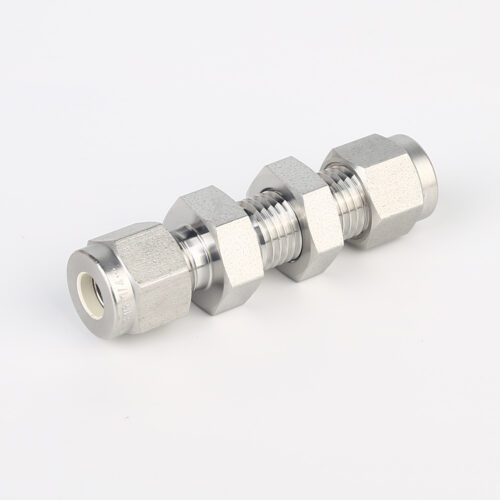
774L Stainless Steel UHP Fittings Butt Weld Bulkhead Union For High Flow Special Gas Fluid
-
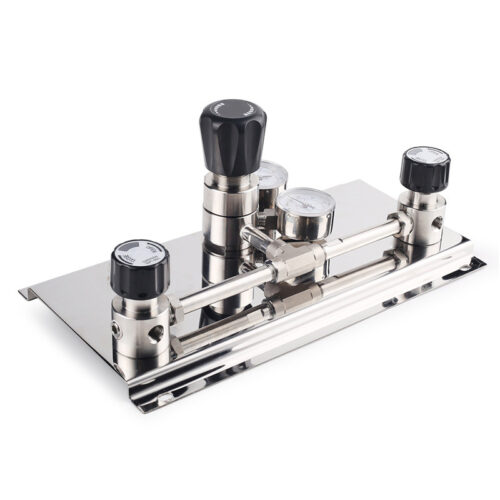
High Purity Semi-Auto Stainless Steel Changeover Manifold System, Nitrogen High Pressure Control Panel With Semiconductor Valve Manifold Box Diaphragm Valves
-
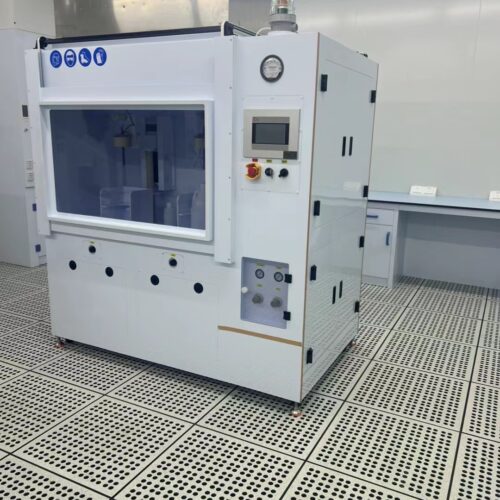
Custom VMB Valve Manifold Boxes for Enhanced Tool Isolation and Maximum Uptime in Complex Chemical Distribution Networks
-
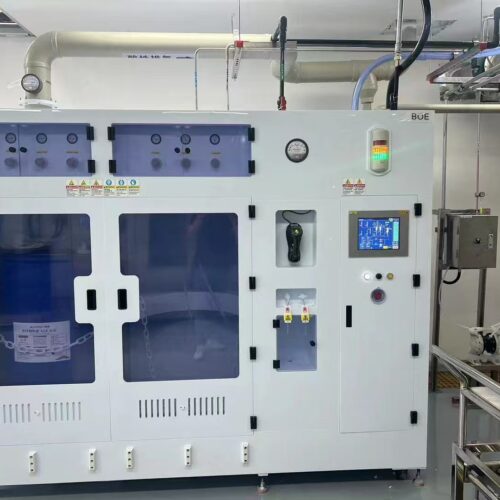
High Purity Bulk Chemical Delivery System and Automatic CDU for Advanced Semiconductor Manufacturing and Fabrication