
Regulator Manufacturer Tel: +86 13380377051
Regulator Manufacturer Tel: +86 13380377051
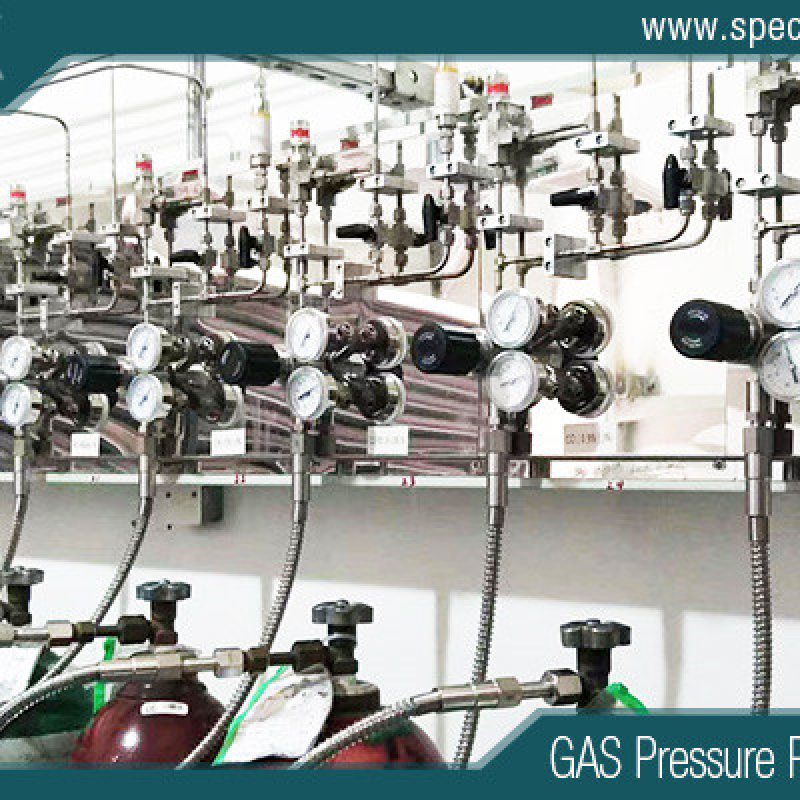
How Does the Diaphragm Material Selection of a Specialty Gas Pressure Regulator Valve When Handling Corrosive Specialty Gases?
Specialty gas pressure regulator valves are critical components in industries such as chemical processing, semiconductor manufacturing, pharmaceuticals, and environmental monitoring. These devices control the flow and pressure of high-purity or reactive gases from high-pressure cylinders to downstream applications, ensuring safe and precise delivery. At the heart of many regulators is the diaphragm—a flexible membrane that senses pressure changes and actuates the valve mechanism without direct contact between the gas and mechanical parts like springs or pistons. This isolation is vital for maintaining gas purity and preventing contamination or corrosion of internal components.
When handling corrosive specialty gases like chlorine (Cl2) or ammonia (NH3), the diaphragm’s material becomes a pivotal factor. Chlorine, a strong oxidant used in water treatment and chemical synthesis, can react aggressively with materials, forming acids in the presence of moisture. Ammonia, a base employed in refrigeration and fertilizer production, can cause swelling or degradation in incompatible substances. Poor material selection can lead to diaphragm failure, compromising leak-tightness—the ability to prevent gas escape or ingress—and reducing service life, the duration before replacement due to wear, corrosion, or fatigue.
Leak-tightness is quantified through tests like helium leak detection, where rates below 10^-9 atm-cc/sec indicate high integrity. Service life depends on factors like chemical resistance, mechanical fatigue, and environmental conditions, often spanning 5-10 years in ideal setups but shortening dramatically with corrosives. This article examines how diaphragm materials—ranging from metals like stainless steel to polymers like PTFE and elastomers like Viton—affect these parameters. Drawing on industry standards and compatibility data, we explore mechanisms of degradation, real-world implications, and selection guidelines to optimize performance in outdoor shopping scenarios—wait, no, for corrosive gas handling.
The choice of diaphragm material directly influences regulator reliability. Metal diaphragms offer robustness but may lack flexibility, while elastomers provide sealing but succumb to chemical attack. For corrosives, materials must resist permeation (gas diffusion through the membrane), swelling, cracking, and hardening, all of which erode leak-tightness and accelerate end-of-life. Understanding these interactions is essential for engineers and operators to mitigate risks like leaks, which could lead to safety hazards, environmental releases, or process downtime.
Understanding Leak-Tightness and Service Life in Regulators
Leak-tightness refers to the diaphragm’s capacity to maintain a hermetic seal, preventing gas leakage across boundaries. In regulators, leaks can occur through the diaphragm itself (permeation or pinholes), at seals, or due to material breaches. For corrosive gases, chemical reactions exacerbate this: oxidation in chlorine can create micro-cracks, while ammonia’s alkalinity causes elastomer swelling, disrupting seal contact. Standards like ASTM F739 measure permeation rates, critical for ensuring no gas escapes to atmosphere or contaminates the bonnet area.
Service life encompasses the diaphragm’s operational duration before performance degrades below acceptable levels, influenced by cyclic fatigue (from pressure fluctuations), chemical exposure, and temperature. Diaphragms endure millions of cycles in regulators, but corrosives accelerate wear—e.g., chlorine can halve life through pitting. Factors like thickness and reinforcement enhance longevity; thicker materials resist abrasion but may reduce sensitivity.
In practice, poor leak-tightness manifests as creeping pressure or external odors, while shortened life increases maintenance costs. For chlorine, wet conditions form hypochlorous acid, attacking bonds in elastomers and leading to embrittlement. Ammonia, being polar, permeates porous materials, causing internal blistering. Compatibility charts rate materials from A (excellent) to D (poor), guiding selections to balance these aspects. Ultimately, optimal materials minimize degradation, ensuring regulators maintain purity and safety over extended periods.
Common Diaphragm Materials in Specialty Gas Pressure Regulator Valves
Diaphragms are selected from metals, elastomers, and fluoropolymers, each offering unique properties.
Metallic Diaphragms: Stainless steel (316L) or alloys like Hastelloy and Monel are common for high-purity applications. These provide excellent barrier properties, resisting permeation and offering high fatigue life. However, they can corrode in aggressive environments unless alloyed—e.g., Monel for halogens. They ensure superior leak-tightness via metal-to-metal seals but may lack flexibility for low-pressure control.
Elastomeric Diaphragms: Materials like Buna-N (NBR), Neoprene (CR), Viton (FKM), and EPDM dominate for their elasticity and sealing. Buna-N offers oil resistance but poor compatibility with oxidants. Neoprene provides moderate chemical resistance. Viton excels in acids and halogens but falters with bases like ammonia. EPDM handles alkalis well but not hydrocarbons. These absorb contaminants, impacting purity, and degrade via swelling or cracking, reducing life.
Fluoropolymer Diaphragms: PTFE (Teflon) and perfluoroelastomers like Kalrez (FFKM) offer universal resistance. PTFE’s inertness prevents reactions, ensuring long life, though it’s permeable to some gases. Kalrez combines elasticity with chemical immunity, ideal for extremes.
Teflon-lined stainless steel hybrids merge benefits, extending service in corrosives. Selection hinges on gas type: metals for purity, elastomers for cost, polymers for versatility.
Impact on Leak-Tightness and Service Life with Chlorine
Chlorine, whether dry or wet, poses severe challenges due to its oxidizing nature. Dry chlorine attacks organic bonds, while wet forms corrosive acids, accelerating degradation.
For stainless steel diaphragms, compatibility is high; 316L resists pitting, maintaining leak-tightness with rates under 10^-8 scc/sec. Service life exceeds 10 years in dry conditions, but moisture reduces it to 5-7 years via crevice corrosion. Monel or Hastelloy enhances this, with Monel rated A for dry chlorine, preventing leaks from material thinning.
Elastomers vary: Buna-N and Neoprene rate C-D, swelling 20-50% in chlorine, leading to seal failure and leaks within months. Viton rates A-B for dry/wet, resisting oxidation for 3-5 years of service, though high temperatures (>100°C) cause hardening and micro-leaks. EPDM is A for chlorine but limited in humid conditions, with service life shortened by embrittlement. PTFE and Kalrez shine:
PTFE rates A, impermeable to chlorine, ensuring indefinite leak-tightness and life >10 years, though mechanical wear from cycles limits it. Kalrez, at + rating, withstands liquids, ideal for variable conditions. In regulators, incompatible materials like Buna-N cause rapid failures, while PTFE hybrids prevent this, as seen in water treatment applications.
Impact on Leak-Tightness and Service Life with Ammonia
Ammonia, anhydrous or aqueous, causes base-induced degradation, swelling elastomers and corroding metals if impure.
Stainless steel performs well for anhydrous ammonia, with low permeation ensuring leak-tightness; service life is 8-12 years, but traces of water form ammonium hydroxide, pitting surfaces. Alloys like 316L with tied diaphragms minimize this.
Elastomers: Buna-N rates B-C for anhydrous, swelling and losing elasticity, leading to leaks after 1-2 years. Neoprene is B, suitable for cold anhydrous but degrades in heat. Viton is C for anhydrous, causing failure via amine attack, but A for aqueous. EPDM excels (A for aqueous, C for anhydrous), resisting swelling for 4-6 years in refrigeration regulators.
Fluoropolymers: PTFE rates A, preventing permeation and offering >10-year life.Kalrez is A, combining flexibility for tight seals. In ammonia handling, EPDM or PTFE maintains integrity, avoiding leaks from degradation seen in Viton.
Factors in Material Selection and Best Practices
Selection considers gas concentration, temperature (e.g., <100°C for elastomers), pressure cycles, and purity needs. Compatibility testing per ISO 11114 is crucial. Best practices include using tied diaphragms for safety, regular inspections, and hybrids for balance.
Conclusion
Diaphragm material profoundly impacts regulator performance with corrosives. Metals like stainless steel offer durability, elastomers affordability with caveats, and fluoropolymers universal protection. For chlorine, Viton or PTFE ensure longevity; for ammonia, EPDM or Kalrez. Proper selection enhances leak-tightness and extends life, promoting safety and efficiency.
For more about how does the diaphragm material selection of a specialty gas pressure regulator valve when handling corrosive specialty gases, you can pay a visit to Jewellok at https://www.specialtygasregulator.com/about/ for more info.
-
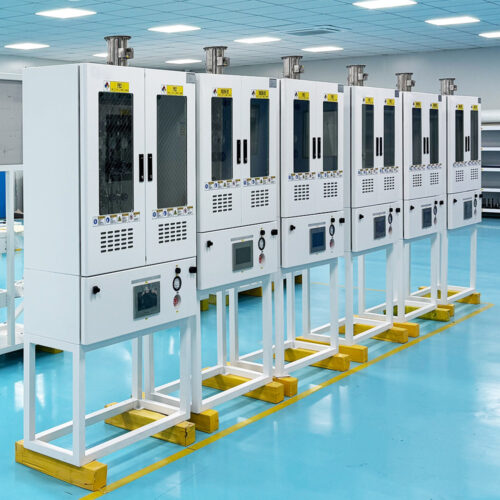
Corrosion Resistant 316L Stainless Steel Exhaust Gas Scrubber System for Harsh Chemical Process Environments
-
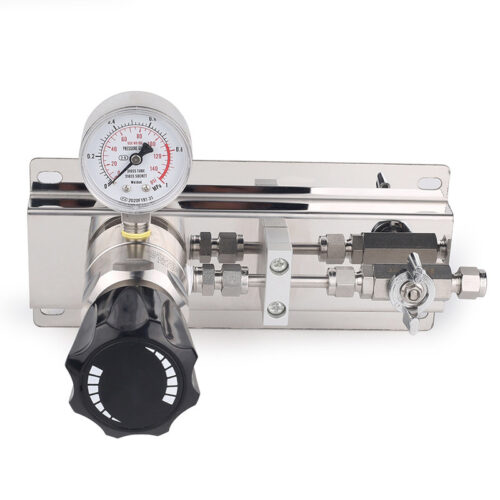
Medical Oxygen Single Stage Manual Gas Changeover Manifold Panel High-Purity Two-Stage Manual Gas Manifold Gas Pressure Control Panels
-
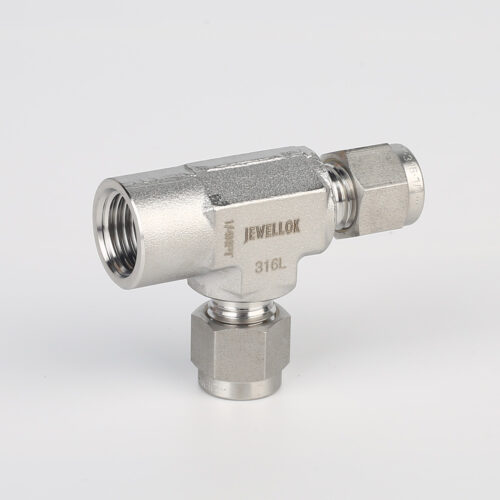
771LF Female Run Tee | Stainless Steel Tube Fitting Compression Fittings 1/4 In 3-Way Tee Female Run Tee
-
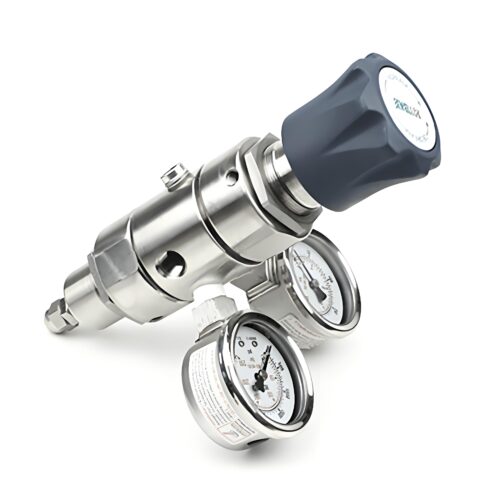
DPR1 Ultra High Purity Two Stage Dual Stage Pressure Reducing Regulator Semiconductor Grade Regulators
-
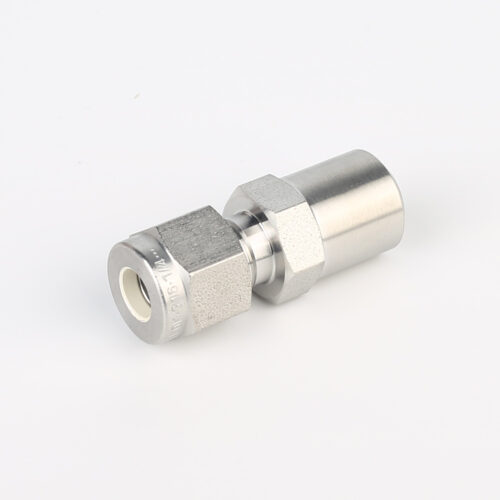
768LN Stainless Steel Male Pipe Tube Butt Weld Connector And Tube Fittings Supplier
-
Automated Bulk Chemical Delivery System with Ultra High Purity CDU for Precise Industrial Fluid Control
-
High Pressure High-Purity Welded Check Valves And Low Cracking Pressure Check Valve JCV1 Series
-
Stainless Steel 316L Single Stage Regulator Pressure Control Panels JSP-1E Series For Semiconductor Fluid Control