
Regulator Manufacturer Tel: +86 13380377051
Regulator Manufacturer Tel: +86 13380377051
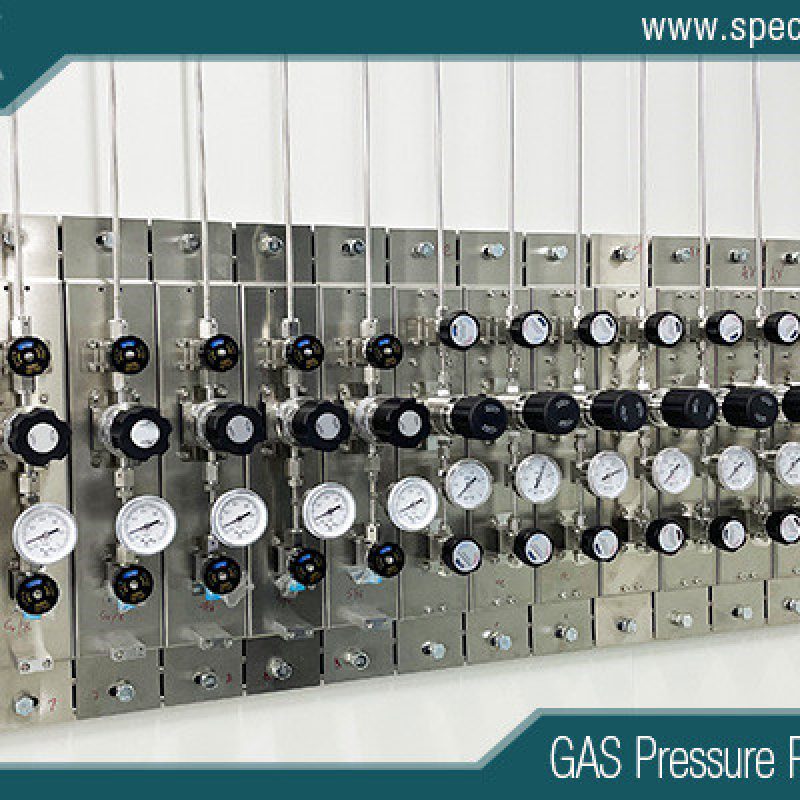
How to Purge an Ultra High Purity Krypton Regulator
In the specialized fields of semiconductor manufacturing, analytical chemistry, and advanced lighting research, the integrity of the process gas is paramount. When dealing with Ultra High Purity (UHP) gases like Krypton (Kr), even parts-per-billion (ppb) levels of contamination can compromise experimental results, ruin production batches, or damage sensitive equipment. While Krypton is a noble gas and relatively inert, the delivery system—specifically the gas regulator—can be a significant source of impurities such as oxygen, moisture, and atmospheric nitrogen.
Purging a UHP Krypton regulator is not simply a matter of “opening the valve and letting it blow.” It is a meticulous, systematic procedure designed to displace contaminants without introducing new ones. This article provides a detailed, step-by-step technical guide on how to properly purge a UHP Krypton regulator, ensuring the highest level of gas purity at the point of use.
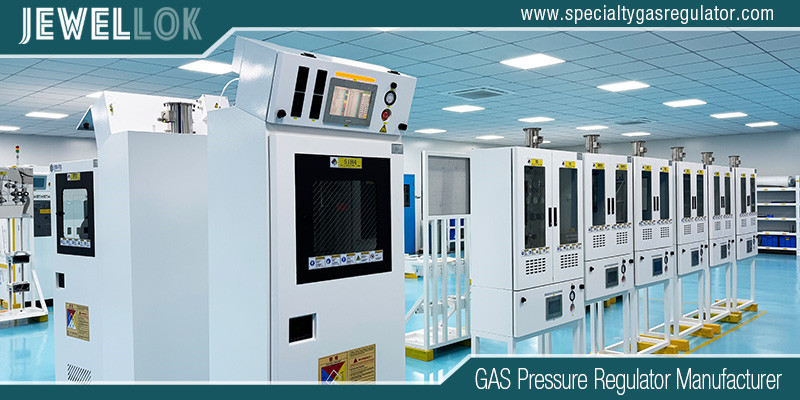
Understanding the Stakes: Why Krypton Requires Special Handling
Krypton is often used in applications where its specific ionization properties or thermal conductivity are exploited. For instance, in double-pane windows, it serves as an insulator. In the semiconductor industry, it may be used in specific etching or deposition processes. The performance of Krypton in these roles is directly tied to its purity.
-
Moisture (H₂O): Perhaps the most common and damaging contaminant. Water vapor can adsorb onto the internal surfaces of the regulator (the “wall effects”). In cryogenic or precise analytical applications, this moisture can freeze, causing blockages or noise in detectors.
-
Oxygen (O₂) and Nitrogen (N₂): These atmospheric gases can react with process materials or simply act as unwanted dopants, altering the expected physical or chemical behavior of the Krypton.
-
Hydrocarbons: Often introduced via manufacturing residues or diffusion pump oils, hydrocarbons can crack under heat or electrical load, depositing carbon films on sensitive optics or wafers.
The regulator, sitting at the interface between the high-pressure cylinder and the low-pressure process line, is a critical control point. Its internal dead spaces, diaphragm, and seat materials can trap atmospheric air or outgas contaminants. A proper purge cycle cleanses the regulator of these impurities, ensuring that only pure Krypton enters your process.
Phase 1: Preparation and Safety Protocols
Before touching any valve, thorough preparation is essential. Rushing this phase is the most common cause of contamination re-entry.
1. Personal Protective Equipment (PPE):
-
Safety Glasses: Impact-resistant and chemical splash goggles.
-
Cleanroom Gloves: Powder-free, low-particulate gloves to prevent oils and salts from contaminating fittings.
-
Lab Coat or Cleanroom Apparel: To prevent lint and particulates from the operator’s clothing from entering the environment.
2. Workspace Inspection:
-
Ensure the area is well-ventilated. While Krypton is non-toxic, it is an asphyxiant and can displace oxygen in a confined space.
-
Verify that all ignition sources are away from the area (though Krypton is non-flammable, it’s a good safety habit).
3. Tool Verification:
-
Use only tools that are dedicated to UHP service. These tools should be made of stainless steel and thoroughly cleaned and degreased. Chrome-plated wrenches can flake, and standard tools often carry hydrocarbon residues.
Phase 2: System Assessment and Mechanical Integrity
A purge is only as good as the seals it relies upon. A leak downstream of your purge point will allow atmospheric gases to back-diffuse into the line.
1. Cylinder Inspection:
-
Verify the cylinder tag matches the required specification for Ultra High Purity Krypton Regulators (typically 99.999% or 99.9999%).
-
Inspect the cylinder valve outlet for damage or debris. Do not use lubricants on the threads.
-
Crack the valve: Briefly open and close the cylinder valve to blow out any dust or particulate that may have settled in the outlet port. Stand to the side of the outlet while doing this.
2. Regulator Inspection:
-
Ensure the regulator is rated for UHP service and is compatible with Krypton (typically 316L stainless steel construction with a Hastelloy or Elgiloy diaphragm).
-
Inspect the inlet filter (usually a sintered stainless steel element) for damage.
-
Check the inlet nut and nipple for scratches or burrs that could compromise the seal.
3. Connection:
-
Attach the regulator to the cylinder valve. Use a new, high-purity gasket (if applicable, e.g., for CGA connections).
-
Tighten the connection nut smoothly and firmly to the manufacturer’s recommended torque using the appropriate wrench. Avoid cross-threading.
Phase 3: The Initial Evacuation (The “Roughing” Pump Down)
If the system is hard-plumbed and includes a vacuum pump, this is the most effective first step. It physically removes the bulk of the air from the regulator body.
1. Close the Regulator:
-
Turn the regulator adjusting knob fully counter-clockwise until it turns freely. This ensures the diaphragm is relaxed and the valve seat is closed, preventing high-pressure gas from entering the low-pressure side prematurely.
2. Open the Vacuum Valve:
-
With the downstream isolation valve closed (the valve between the regulator and the process tool), open the valve to the vacuum pump.
3. Open the Cylinder Valve Slowly:
-
Crack the main cylinder valve open slightly. Do not open it fully yet. You will hear a hiss as the gas rushes into the regulator, but it will immediately be pulled toward the vacuum pump. This “sweeps” the internal volume.
4. Pump Down:
-
Allow the vacuum pump to run for 5–10 minutes, pulling the internal pressure down into the millitorr range if possible. This removes not only the bulk air but also aids in desorbing moisture from the internal walls.
5. Isolation and Backfill:
-
Close the cylinder valve.
-
Close the vacuum valve.
-
Slowly open the regulator (turn clockwise) to allow the small amount of gas trapped in the high-pressure side to expand into the low-pressure side. This brings the system back up to a positive pressure (a few psig), preventing air from being sucked back in when you disconnect.
Note: If you do not have a vacuum pump connected, you must proceed directly to a “Pressure Purge” method, which is less efficient but still effective if done correctly.
Phase 4: The Pressure Purge Cycle (The “Bake and Sweep”)
This is the core of the purging procedure. It relies on a series of pressurize-and-vent cycles to dilute contaminants. The principle is simple: each time you pressurize with pure Krypton and vent to atmosphere, you reduce the concentration of contaminants exponentially.
1. Pressurize:
-
Ensure the downstream process valve is closed.
-
With the regulator adjusting knob still screwed in (from the backfill step), slowly open the cylinder valve fully. Once open, turn the valve handle back a quarter turn to prevent it from seizing in the open position.
-
Observe the high-pressure gauge. It should read the cylinder pressure.
-
The low-pressure gauge will now show the pressure you set during the backfill (a few psig). This is your starting point.
2. Vent:
-
Slowly open the purge/vent valve located downstream of the regulator (or loosen a downstream fitting if this is a temporary setup—though this is not recommended for UHP systems).
-
Allow the gas to vent until the low-pressure gauge reads zero. Do not pull a vacuum with this method; just let it reach atmospheric pressure.
3. The “Bleed” Technique:
-
While venting, you can perform a “bleed” to create turbulence. Partially close the vent valve to create backpressure (10-20 psig), then quickly snap it fully open. The rapid expansion helps to dislodge stagnant gas molecules from dead-legs and diaphragm crevices.
4. Repeat, Repeat, Repeat:
-
Close the vent valve.
-
Increase the regulator pressure to about 50% of your intended operating pressure (e.g., 30 psig).
-
Immediately vent again.
-
Repeat this cycle (Pressurize -> Bleed -> Vent) a minimum of five to seven times. The more cycles, the higher the confidence in purity.
Why multiple cycles?
The dilution factor follows a logarithmic curve. If one cycle dilutes contaminants by a factor of 100 (e.g., from 1% to 0.01%), the next cycle dilutes the remaining contaminants by another factor of 100 (to 0.0001%). Five cycles are often considered the minimum for UHP service to ensure contaminants are reduced to single-digit ppb levels.
Phase 5: The Final Stabilization and Purge
Once the regulator body has been swept clean of atmospheric gases, you must condition it for the process flow.
1. Set Operating Pressure:
-
Close the vent valve.
-
With the cylinder valve open, turn the regulator adjusting knob clockwise to set your desired delivery pressure (e.g., 50 psig). Turn it past the set point slightly and then back down. This “approach from above” helps seat the diaphragm and provides more stable control.
2. Final System Purge:
-
If there is a downstream line to the tool, open the process isolation valve.
-
Allow Krypton to flow through the entire line to the tool’s inlet for several minutes. This purges the downstream piping, which has also been exposed to air.
3. Flow Stabilization:
-
Let the gas flow at the required process rate for at least 10–15 minutes before beginning critical operations. This allows the system to reach thermal equilibrium and ensures any remaining adsorbed contaminants on the tubing walls are swept away.
Phase 6: Verification and Documentation
In a truly critical UHP application, purging is not complete without verification.
1. Leak Check:
-
After the final connection, use a electronic leak detector specifically designed for noble gases (or a liquid leak detector if the system is rated for it, though liquid is generally avoided in UHP systems). Check all fittings. A leak of even 1×10⁻⁶ cc/sec can allow enough oxygen ingress to ruin a process over time.
2. Particle Counts (if applicable):
-
Some UHP systems have in-line particle counters. Monitor the counts to ensure they drop to baseline levels (typically zero) once the purge is complete.
3. Moisture and Oxygen Analyzers:
-
For the ultimate verification, use a trace moisture analyzer (measuring in ppb) and an oxygen analyzer downstream. The purge is successful when these analyzers read below your required specification threshold (e.g., < 10 ppb H₂O). This data provides a permanent record of the system’s cleanliness.
Common Pitfalls and How to Avoid Them
-
Thermal Cycling: As high-pressure Krypton expands through the regulator, it cools (Joule-Thomson effect). This can cause the regulator to ice up externally and internally, potentially leading to unstable pressure control and seal shrinkage, which can induce leaks. Ensure your purge flow rate is slow enough to avoid extreme temperature drops, or use a regulator with a heated bonnet.
-
Dead Legs: Any capped or unused port on a regulator tee is a “dead leg” where contaminants can hide. These should be purged with a dedicated purge valve or eliminated entirely from the design.
-
Rapid Pressurization: Never slam open a cylinder valve. The sudden pressure surge can damage the regulator seat and internal filter, generating particles.
-
Back-Diffusion: If you vent a line to atmosphere and leave it open, air will diffuse back into the line. Always maintain a positive pressure of Krypton when the system is idle.
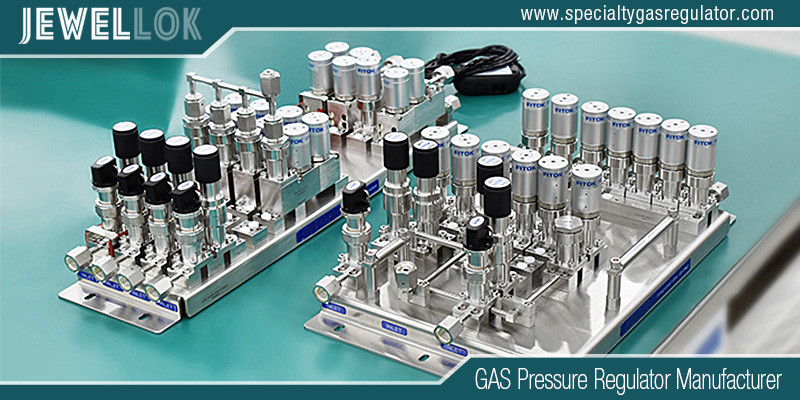
Conclusion
Purging an Ultra High Purity Krypton regulator is a critical process that demands patience, precision, and a deep understanding of gas behavior. It is a battle against adsorption, dead volume, and atmospheric back-diffusion. By following a strict protocol of initial evacuation (or roughing), followed by multiple pressure-purge cycles, and concluding with verification and stabilization, you ensure that the noble gas reaching your process is as pure as the day it was bottled.
This meticulous attention to detail protects your investment in high-purity gas and, more importantly, safeguards the integrity of the processes and research that depend on it. In the world of UHP, cleanliness is not just a procedure; it is the primary requirement for success.
For more about how to purge an ultra high purity krypton regulator, you can pay a visit to Jewellok at https://www.specialtygasregulator.com/ for more info.
-
Automatic Chemical Delivery Module (CDM) and Chemical Delivery System (CDS) for Precise Point of Use Blending and Dilution
-
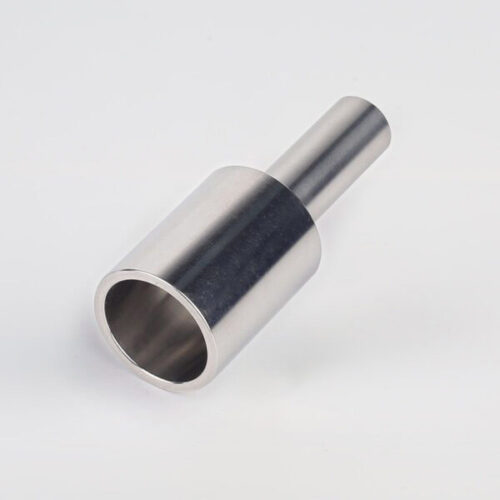
316L Stainless Steel Tube Butt Weld Reducing Fittings Union Reducer RW Series Ultrahigh Purity Process
-
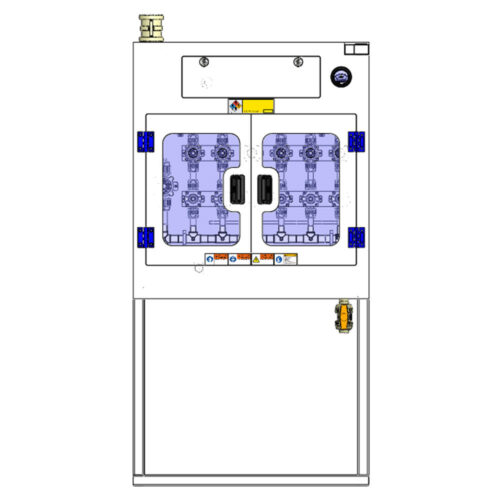
High Purity Configurable Systems VMB Valve Manifold Box JW-200-VMB-C & JW-100-VMB-C
-
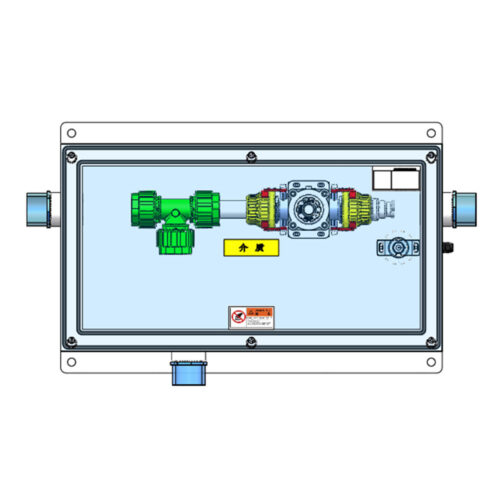
T-BOX JW-TB-C Special Gas Delivery System Gas Valve Manifold Boxes
-
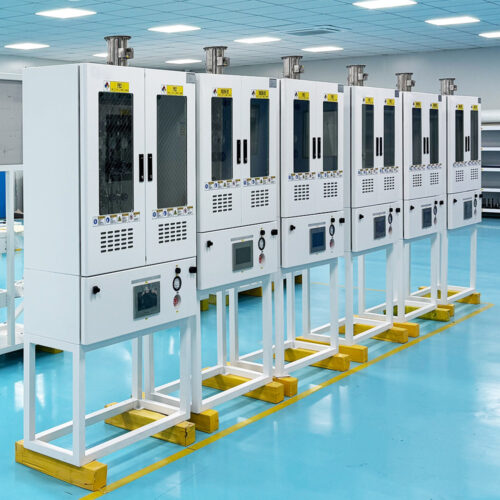
Integrated Gas Cabinets and Exhaust Gas Scrubber System for Ammonia and Hydrogen Chloride Industrial Emission Control
-
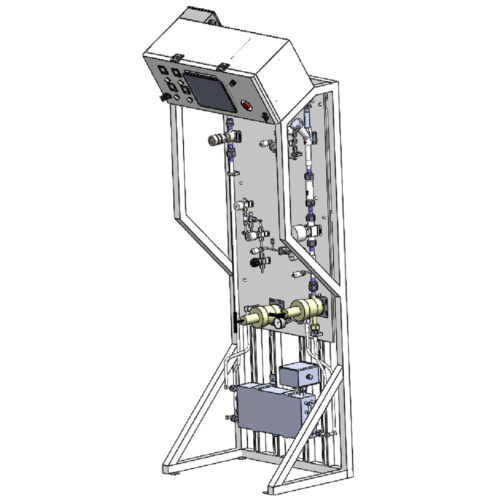
High Purity High Pressure Specialty Gas Bottle Gas Cylinder Storage Cabinet And Gas Pressure Regulating Cabinet For Semiconductor
-
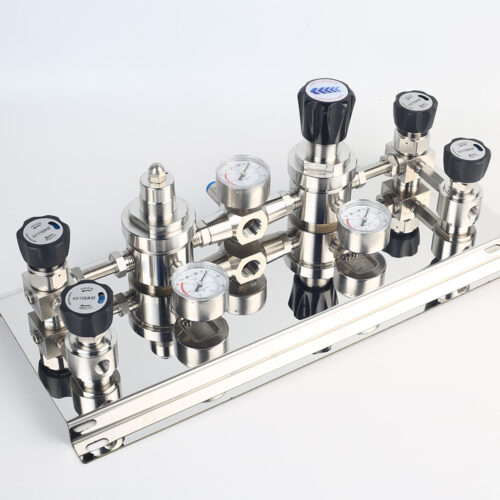
Stainless Steel Single Stage Semiconductor Grade Pressure Control Module Pressure Control Panels JSP-6A Series
-
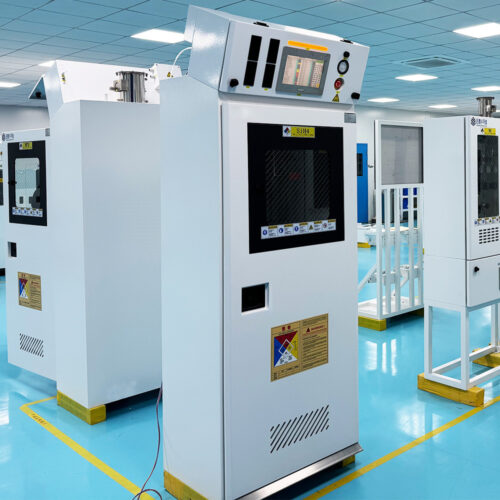
High-Efficiency Exhaust Gas Scrubber System for Semiconductor and Photovoltaic Hazardous Gas Abatement Solutions