
Regulator Manufacturer Tel: +86 13380377051
Regulator Manufacturer Tel: +86 13380377051
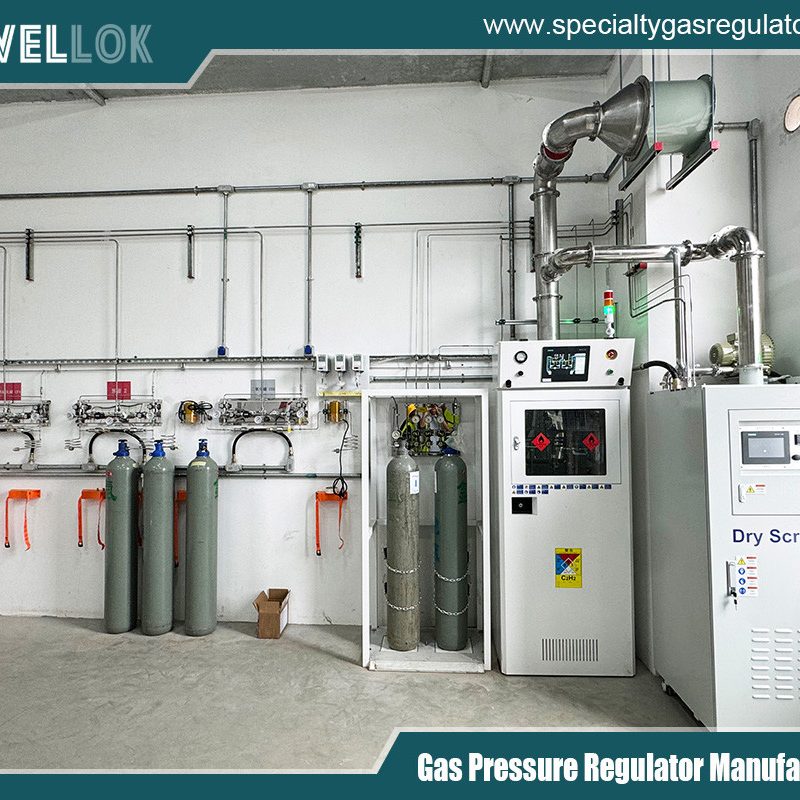
Removing Ammonia and Particulate Matter: Multi-stage Exhaust Gas Scrubbing Solution
The Challenge of Co-Pollutant Control
In numerous industrial and agricultural processes, the simultaneous emission of gaseous pollutants and particulate matter presents a significant environmental and engineering challenge. Among the most common and problematic combinations is the co-emission of ammonia (NH₃) and dust or particulate matter (PM). Ammonia, a highly soluble and reactive alkaline gas, is a precursor to secondary particulate formation in the atmosphere, contributing to haze and PM2.5, while also causing malodors and ecological damage through nitrogen deposition. Particulate matter, depending on its composition and size, poses direct respiratory health risks.
Traditional air pollution control devices are often optimized for a single class of pollutant. For instance, a dry electrostatic precipitator (ESP) or baghouse is excellent for PM removal but has no capacity for ammonia abatement. Conversely, a packed-bed wet scrubber designed for ammonia might be prone to plugging and fouling from even moderate dust loads. This is where the multi-stage exhaust gas scrubbing system emerges as a robust, efficient, and synergistic solution. By segregating the removal processes into distinct, optimized stages within a single, integrated system, it is possible to achieve high removal efficiencies for both ammonia and particulate matter, often exceeding 99% for each.
This article delves into the engineering principles, design configurations, and operational advantages of multi-stage exhaust gas scrubbers as a premier solution for combined ammonia and particulate matter control.
The Science of the Pollutants: Why a Single Stage Isn’t Enough
To appreciate the multi-stage approach, one must first understand the physical and chemical properties of the target pollutants.
-
Ammonia (NH₃): Ammonia is highly soluble in water (exothermic reaction). When dissolved, it forms ammonium hydroxide (NH₄OH), a weak base. However, for efficient and sustained removal, a slightly acidic scrubbing liquid is often preferred. The acid (e.g., sulfuric acid, H₂SO₄) reacts with the ammonium ion to form a stable, non-volatile salt (e.g., ammonium sulfate, (NH₄)₂SO₄). This chemical reaction effectively “traps” the ammonia, preventing it from re-volatilizing. The governing principle here is mass transfer enhanced by a fast chemical reaction.
-
Particulate Matter (PM): Particulate removal in a wet scrubber relies on different mechanisms: impaction, interception, and diffusion. A particle suspended in a gas stream has inertia. As the gas flows around a water droplet, the particle’s inertia may cause it to continue in a straight line, collide with the droplet, and be captured. Smaller particles may follow gas streamlines that come close enough to a droplet to be intercepted. For very fine particles (sub-micron), Brownian motion increases the probability of collision with droplets (diffusion).
The conflict arises in the design of the scrubbing environment. Optimizing for ammonia removal often means using a packed bed to create a high surface area for gas-liquid contact, promoting rapid absorption and reaction. However, if that same packed bed is exposed to dusty air, the particles will be captured by the packing material. Over time, these particles can accumulate, cement together (especially if sticky or hygroscopic), bridge across the packing, and eventually cause a total blockage. This leads to unacceptable pressure drops, reduced gas flow, and system shutdown for cleaning.
Therefore, the solution is to separate these functions.
The Multi-Stage Wet Scrubber Architecture
A typical multi-stage wet scrubber system for ammonia and PM removal consists of three primary zones: a pre-conditioning or quench stage, a primary particulate removal stage, and a final gas absorption stage. These are often contained within a single, vertical counter-current tower.
Stage 1: Pre-conditioning and Quench
-
Function: The primary goal of the first stage is to cool and saturate the hot, dry gas stream. Many processes that emit ammonia and PM (e.g., animal rendering, composting, fertilizer dryers) generate gases at elevated temperatures. Cooling the gas is crucial because the solubility of ammonia decreases as temperature increases. Saturation also ensures that minimal evaporation occurs in subsequent stages, which could otherwise lead to concentration of the scrubbing liquor and potential salting or scaling.
-
Design: This stage typically uses a bank of high-capacity, full-cone spray nozzles. The nozzles create a curtain of large droplets. The design here prioritizes gas cooling and humidification, not necessarily ultra-fine particle capture. The water used here can be recycled from the bleed stream of later stages, helping to minimize overall water consumption. This stage also serves as a first line of defense, knocking out larger dust particles (>10 microns) through impaction, reducing the load on subsequent stages.
Stage 2: High-Energy Particulate Collection
-
Function: This is the workhorse for fine particulate matter removal (PM10, PM2.5, and smaller). The goal is to create intense mixing and high relative velocities between the gas stream and atomized water droplets to maximize inertial impaction.
-
Design Options:
-
Venturi Section: A very common and highly effective design for this stage is a venturi scrubber, which can be integrated into the tower. The gas stream is forced to accelerate through a constricted throat. Scrubbing liquid is injected at or just before the throat. The high-velocity gas (reaching up to 400 ft/s) shears the liquid into millions of tiny droplets. The extreme turbulence and velocity differential between the gas/particles and the slow-moving droplets result in exceptionally high capture efficiencies for fine particulates.
-
Orbital or Swirl Nozzles: Another approach is to use a bank of specialized nozzles that create a high-density, fine droplet spray in a zone of high gas velocity. The design aims to maximize the number of droplets and the relative velocity between particles and droplets.
-
Stage 3: Polishing and Ammonia Absorption
-
Function: After the bulk of the particulate has been removed, the gas, now essentially “clean” of solids, enters the final absorption stage. This stage is optimized for mass transfer to remove the gaseous ammonia.
-
Design: This stage almost invariably consists of a packed bed. The bed is filled with a random or structured packing material—typically polypropylene, metal, or ceramic—designed to provide a vast surface area (100-250 m²/m³) while maintaining a low pressure drop. Scrubbing liquid, now often a recirculated solution of water and acid (e.g., sulfuric acid to maintain a pH of 2-4), is distributed evenly over the top of the packing and flows downward by gravity. The gas, flowing upward, must navigate the tortuous, wetted path of the packing. The ammonia in the gas phase is rapidly absorbed into the liquid film and immediately reacts with the acid to form a non-volatile ammonium salt. This reaction maintains a very low concentration of free ammonia in the liquid, preserving a strong driving force for absorption. The clean gas then passes through a final mist eliminator to remove any entrained droplets before exiting the stack.
Key Design and Operational Considerations
-
Liquid-to-Gas Ratio (L/G): This is a critical parameter. The quench and particulate stages generally require higher liquid flow rates to create sufficient droplet coverage and momentum. The packed bed stage, while requiring less liquid flow, needs it to be distributed perfectly to ensure complete wetting of the packing.
-
Pressure Drop: Each stage contributes to the overall system pressure drop. The venturi stage is the largest contributor (typically 10-40 inches w.g.), as this energy input is essential for fine particle capture. The packed bed contributes moderately (2-6 inches w.g. per foot of packing), while the spray stage is relatively low. This total pressure drop must be accounted for in the fan sizing.
-
Chemistry Control (pH): Maintaining the correct pH in the recirculating liquor of the final stage is paramount. A pH controller with a set-point (e.g., 3.5) will automatically open a valve to inject fresh acid when the pH rises due to ammonia absorption. The ammonium salts produced (like ammonium sulfate or ammonium nitrate) accumulate in the sump. A bleed or blowdown stream is continuously or periodically removed to control the salt concentration, preventing crystallization and maintaining absorption efficiency. This bleed stream can sometimes be a valuable by-product, used as a liquid fertilizer ingredient.
-
Materials of Construction: The combination of acidic conditions, ammonium salts, and often elevated temperatures necessitates careful material selection. Common materials include corrosion-resistant alloys like 316L stainless steel for the vessel and internals, or FRP (Fiber-Reinforced Plastic) for less demanding temperature and abrasion conditions. The packing in the ammonia stage is often polypropylene, which is chemically resistant and inexpensive.
Case Study: Application in an Animal Rendering Plant
Consider a typical animal rendering operation. Cookers release a hot, odorous exhaust laden with steam, fine organic particulate matter (bone meal, protein dust), and high concentrations of ammonia.
A single-stage scrubber would fail rapidly due to packing fouling from the sticky organic dust. A multi-stage system, however, is perfectly suited:
-
Quench Stage: The hot (90°C) gas enters the bottom of the tower and is immediately hit with a coarse water spray. The gas is cooled to saturation (~60°C), and the largest, heaviest particles are washed down into the sump.
-
Venturi Stage: The cooled, humid gas is drawn through an integrated venturi throat. High-pressure recirculation water from the venturi sump is injected, creating a dense fog that captures the fine, sub-micron particulate matter with over 98% efficiency.
-
Packed Bed Stage: The gas, now free of particulates, flows up through a bed of polypropylene packing. Dilute sulfuric acid is recirculated over the bed, maintained at a pH of 3.0. The ammonia concentration is reduced from over 100 ppm to less than 5 ppm ( >95% removal).
-
Mist Elimination: A chevron-style mist eliminator at the top of the tower captures any droplets, ensuring a dry, clean plume.
The result is a single, compact system that simultaneously eliminates visible emissions (PM) and odor-causing ammonia, achieving compliance with stringent air quality regulations.
Conclusion
The simultaneous removal of ammonia gas and particulate matter represents a complex air pollution control challenge that cannot be effectively addressed by a single-technology solution. The multi-stage exhaust gas scrubber directly confronts this complexity by applying the principle of “divide and conquer.” By first quenching and pre-cleaning the gas, then applying high energy for fine particle capture, and finally utilizing a high-surface-area packed bed for chemical absorption, the system achieves synergy.
Each stage is designed for a specific task, operating in harmony to protect the integrity and performance of the subsequent stages. The result is a robust, reliable, and highly efficient system capable of consistently achieving over 99% removal of both pollutants. As industrial emission standards continue to tighten and focus shifts toward multipollutant control, the multi-stage wet scrubber stands out as a proven, adaptable, and essential technology for a cleaner environment. Its intelligent design not only solves an engineering problem but also provides a sustainable pathway for industries to coexist responsibly with the communities and ecosystems around them.
For more about removing ammonia and particulate matter: multi-stage exhaust gas scrubbing solution, you can pay a visit to Jewellok at https://www.specialtygasregulator.com/product-category/specialty-gas-cabinet/ for more info.
-
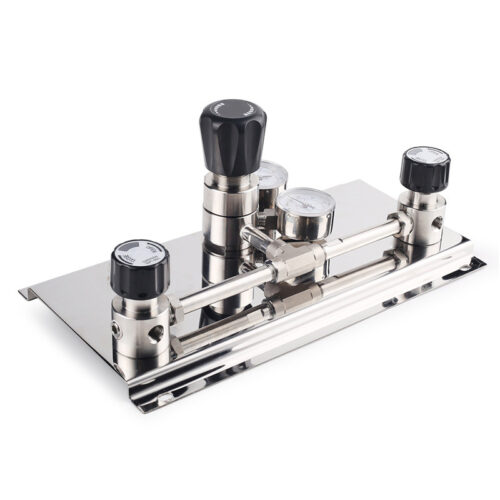
High Purity Semi-Auto Stainless Steel Changeover Manifold System, Nitrogen High Pressure Control Panel With Semiconductor Valve Manifold Box Diaphragm Valves
-
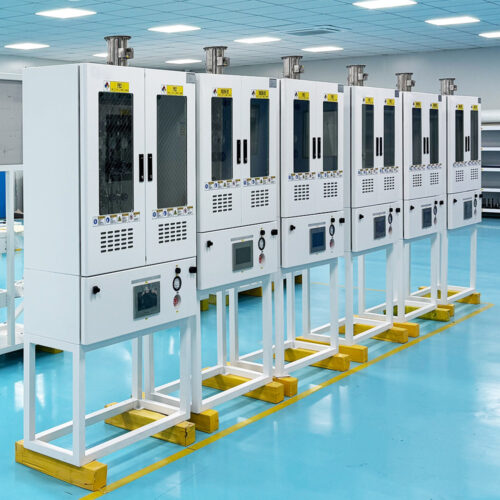
Integrated Gas Delivery Solutions with VMB Valve Manifold Box and Automatic Gas Switchover Systems for Industrial
-
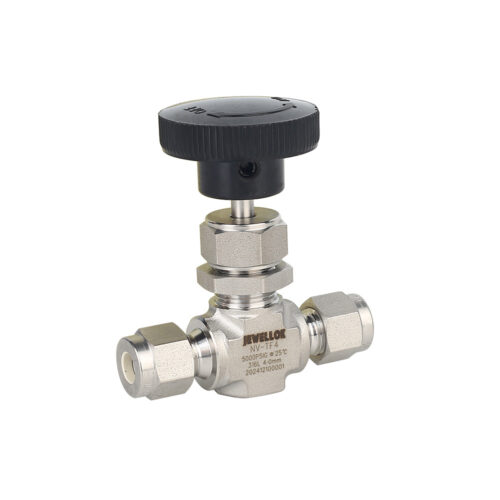
High Purity High Pressure Stainless Steel Needle Valve Natural Gas Flow Control Valve JNV Series
-
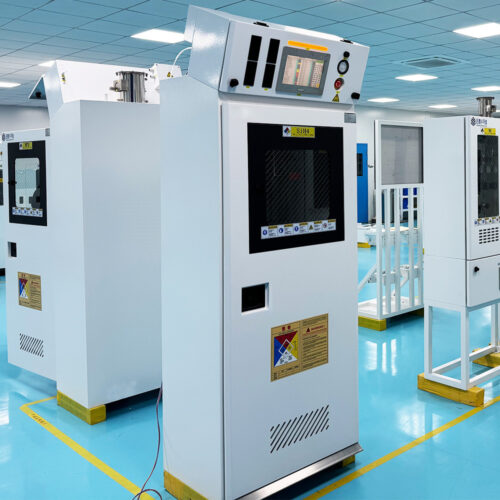
Advanced Bulk Specialty Gas Systems BSGS Gas Cabinet for Safe Handling of Toxic and Flammable Process Gases
-
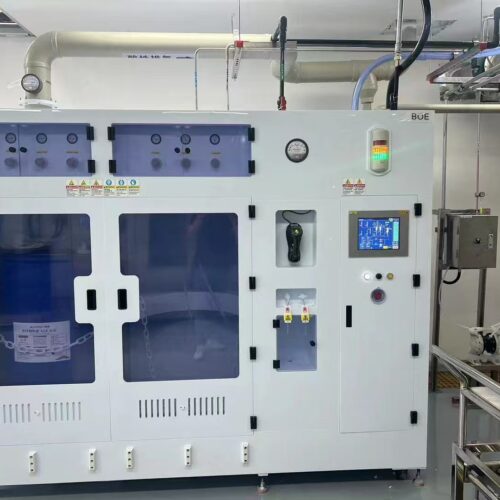
UHP Liquid Chemical Delivery Systems for Semiconductor Fabrication and Photovoltaic Manufacturing Processes
-
UHP Metal Gasket Face Seal Fittings Vacuum Coupling Metal Face Seal Join Long Gland And Short Gland
-
High Purity Bulk Specialty Gas Pressure Control And Filtration Bulk Gas Skid Systems JW-300-BSGS
-
JF Series In-Line Gas Filters | High Purity High Precision High Flow Semiconductor Gas Filter Gas Filtration & Purification