
Regulator Manufacturer Tel: +86 13380377051
Regulator Manufacturer Tel: +86 13380377051
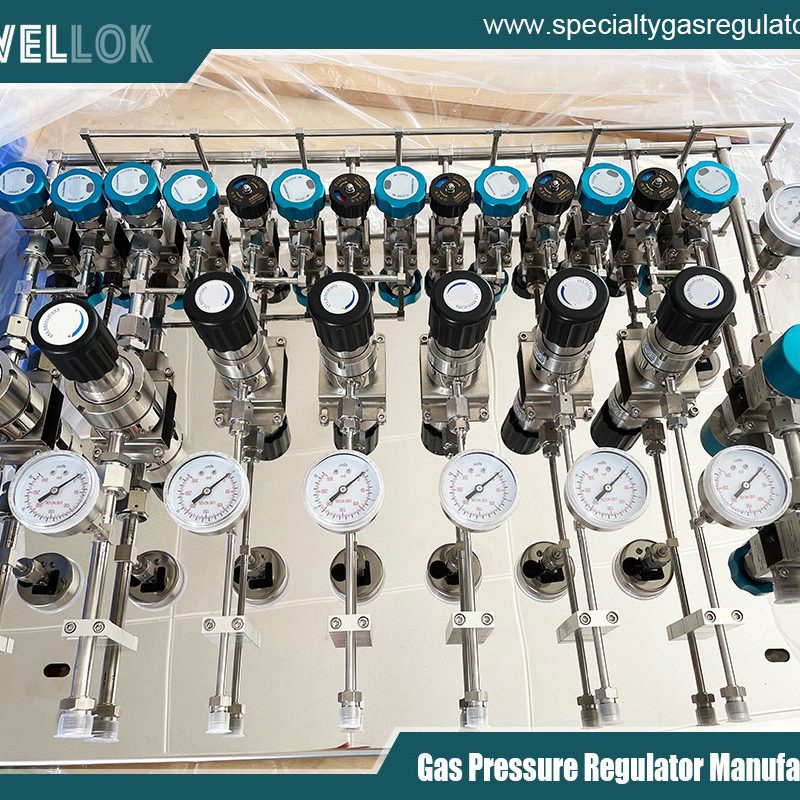
Mastering Ammonia (NH₃): How Ultra-High Purity Pressure Regulators Address the Material Compatibility Challenge in Semiconductor Processes
The relentless march of Moore’s Law demands ever-shrinking geometries and increasingly complex thin-film deposition techniques. In this hyper-pure environment, the gases used in semiconductor fabrication are not merely consumables; they are critical reagents whose chemical interactions can make or break a process yield. Among these, Ammonia (NH₃) holds a position of particular significance. As a primary source of nitrogen for silicon nitride (Si₃N₄) deposition in Chemical Vapor Deposition (CVD) and Atomic Layer Deposition (ALD), and as a key component in etching and surface passivation, NH₃ is ubiquitous in the modern fab.
However, Ammonia presents a unique and formidable challenge to the gas delivery systems that handle it. It is not an inert gas, nor is it simply toxic or corrosive in a predictable manner. NH₃ is a chemically aggressive, reducing agent that engages in complex metallurgical interactions with the very materials designed to contain it. Nowhere is this battle more acute than within the Ultra-High Purity (UHP) pressure regulator—the critical interface between the high-pressure gas source and the precisely controlled environment of the process chamber. This article explores the intricate material compatibility problems posed by Ammonia and details the advanced engineering solutions in modern UHP regulators designed to master this volatile compound.
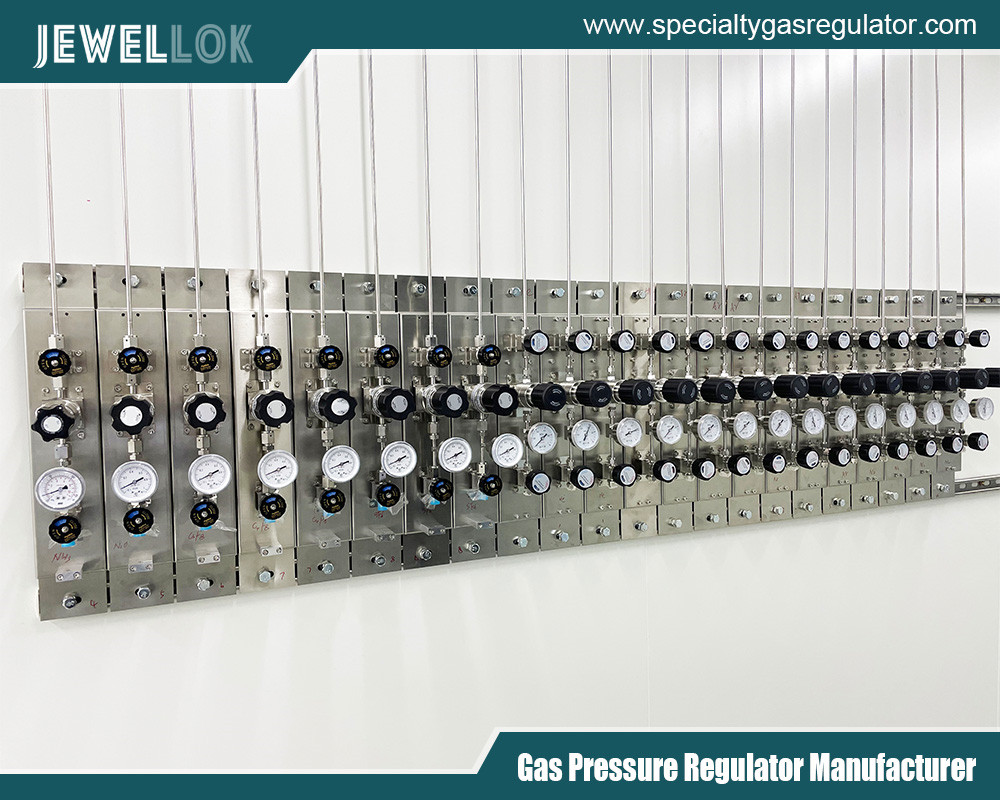
The Dual Threat of Ammonia: Corrosion and Embrittlement
To understand why a standard regulator fails in NH₃ service, one must first understand the specific failure mechanisms it triggers. The problems are twofold: classic chemical corrosion and a more insidious mechanical degradation known as stress corrosion cracking (SCC).
1. The Anhydrous Corrosive: High-purity ammonia, even in its anhydrous (water-free) form, is surprisingly corrosive to many common metals. The primary reaction mechanism involves the formation of metal amides. For example, copper and its alloys, once standard in many regulators, are highly susceptible. NH₃ reacts with copper to form soluble copper amide complexes (Cu(NH₃)ₓ²⁺), leading to rapid and catastrophic material loss. This is why brass regulators are strictly forbidden in ammonia service. However, the problem extends beyond copper. Even stainless steels, the workhorses of the semiconductor industry, can be attacked, particularly if the protective chromium oxide (Cr₂O₃) layer is compromised.
2. Stress Corrosion Cracking (SCC): This is the most dangerous failure mode. SCC is the growth of cracks in a corrosive environment under tensile stress. For ammonia, this phenomenon is well-documented, particularly in high-strength steels and certain nickel alloys. In a pressure regulator, which is under constant mechanical stress from the internal gas pressure and the spring force, the presence of NH₃ can create a perfect storm. The ammonia, often containing trace amounts of oxygen or other contaminants, can initiate micro-cracks at points of high stress (e.g., at thread roots, diaphragm crimps, or seat interfaces). These cracks propagate through the grain boundaries of the metal, leading to sudden, catastrophic failure without significant warning signs like general wall thinning. This risk is exacerbated in high-pressure systems, where the stored energy is immense.
The UHP Regulator: A Frontier of Material Science
Given these aggressive failure modes, the design of a UHP pressure regulator for ammonia service is an exercise in exclusion and selection. The goal is to create a device that maintains absolute purity, delivers precise pressure control, and survives years of exposure to a chemically hostile fluid. This is achieved through a multi-layered approach focusing on materials of construction, surface engineering, and mechanical design.
1. The Metallurgical Armor: Choosing the Right Alloys
The selection of the regulator’s wetted materials—the parts that come into direct contact with NH₃—is the first and most critical line of defense.
-
The Rise of High-Nickel Alloys: While standard 316L stainless steel is the baseline for many UHP applications, its performance with NH₃ can be marginal under certain conditions (high pressure, elevated temperature). The industry has increasingly shifted towards high-performance nickel-based alloys, most notably Hastelloy® C-22 or Alloy 22. These materials offer superior resistance to both general corrosion and SCC in ammonia environments. The high molybdenum, chromium, and tungsten content provides a highly stable passive layer that is far more resistant to breakdown by reducing agents like NH₃. For the regulator body and the bonnet, Hastelloy provides a robust barrier against the environment.
-
The Super Stainless Alternative: Alloy 316L VAR (Vacuum Arc Remelted) is another critical material. The VAR process is a secondary melting technique that produces a steel with exceptional homogeneity and significantly reduced inclusions. These inclusions can act as initiation sites for pitting corrosion and SCC. By eliminating these micro-flaws, 316L VAR offers a much higher level of performance and reliability than standard 316L, making it a cost-effective and highly reliable choice for many ammonia applications, particularly in lower-pressure lines.
-
Seat and Seal Compatibility: The metal is only half the battle. The soft goods—the valve seat and the diaphragm seal—must also be compatible. Elastomers like standard Buna-N (Nitrile) swell and degrade rapidly in ammonia. The material of choice is typically Perfluoroelastomer (FFKM) , such as Chemraz® or Kalrez®. FFKMs offer near-universal chemical resistance, maintaining their sealing properties and dimensional stability in the presence of NH₃ without outgassing contaminants. The seat itself, often made of PTFE or PEEK, must be engineered to resist deformation (cold flow) under the high compressive loads of the regulator while providing a bubble-tight seal.
2. Surface Engineering: The Pursuit of Inertness
A smooth, clean surface is as important as the base metal. In UHP gas systems, surface roughness provides microscopic valleys where moisture and contaminants can hide, leading to corrosion and particle generation.
-
Electropolishing (EP): This electrochemical process is non-negotiable for NH3 regulators. Electropolishing removes a thin layer of the metal surface, preferentially dissolving “peaks” and leaving a smooth, chromium-rich surface. This does two things: it dramatically reduces the surface area available for adsorption of moisture and NH₃, and it enhances the formation of a robust, uniform, and passive chromium oxide layer. A regulator specified with a 5 Ra (micro-inch) or better electropolished finish is standard for critical ammonia applications.
-
Passivation: Following electropolishing, a controlled passivation step using nitric or citric acid ensures the chromium oxide layer is fully formed and free of iron or other contaminants that could catalyze a reaction with NH₃.
3. Mechanical Design: Isolating the Stress
The third pillar of compatibility is the mechanical design, specifically the means of pressure containment and control. The two most common designs are the direct diaphragm and the rising stem with a diaphragm seal.
-
The 100% Inert Diaphragm Seal: The most critical design feature for NH₃ service is a metal diaphragm that completely isolates the process gas from the mechanical workings of the regulator (the spring and the adjusting mechanism). In a high-purity, pressure-balanced regulator, the diaphragm is typically a multi-layered sheet of a compatible alloy like Hastelloy or Elgiloy. When the adjustment knob is turned, the force is transmitted through the spring to a push plate, which in turn flexes the diaphragm. The NH₃ never touches the spring, which could be a source of contaminants and is often made of less corrosion-resistant steel. This “spring-isolated” design eliminates a major potential site for SCC and particle generation.
-
Minimizing Dead Volume: Regulators for semiconductor applications are designed with minimal internal volume and straight-through flow paths. This “low dead volume” design ensures rapid purging and prevents stagnant pockets of ammonia from accumulating and potentially decomposing or reacting over time.
Case Study: Anhydrous NH₃ in the LPCVD Nitride Process
Consider a typical Low-Pressure CVD (LPCVD) process for depositing silicon nitride. Anhydrous ammonia is supplied from a cylinder or a bulk delivery system at pressures ranging from 100 to 200 psig. It must be delivered to the process chamber at a stable, lower pressure (e.g., 10-30 psig) with a flow rate controlled by a mass flow controller (MFC).
If a standard, non-optimized regulator is installed at the source, several failure modes can manifest:
-
Particle Generation: Corrosion of internal components creates hard particles (e.g., nickel or iron oxides). These particles are entrained in the gas stream, travel downstream, and can clog the delicate sensor tube of the MFC or, worse, deposit on the wafer surface, causing fatal device defects.
-
Pressure Creep: If the regulator seat material swells or deforms due to incompatibility with NH₃, it may no longer seal properly when closed, leading to “pressure creep”—a slow increase in downstream pressure when the system is idle. This can overwhelm the MFC’s inlet valve or cause process startup instabilities.
-
Catastrophic Rupture: In a worst-case scenario, SCC initiates at a stress point in a 316L regulator body. Over weeks or months, the crack grows until the body ruptures, releasing a large quantity of toxic ammonia into the fab environment, triggering safety systems and causing a costly shutdown.
By contrast, a properly specified UHP regulator addresses these points directly:
-
The Hastelloy C-22 body and diaphragm resist corrosion and SCC, ensuring zero particle generation from material breakdown.
-
The FFKM seat and seals maintain their physical properties, providing a reliable seal cycle after cycle and preventing pressure creep.
-
The electropolished surface finish minimizes outgassing and moisture adsorption, maintaining the high purity of the NH₃ as it enters the process tool.

Conclusion
As semiconductor processes become more demanding, with atomic-level precision required for 3D NAND and Gate-All-Around (GAA) transistors, the purity and stability of every process gas become paramount. Ammonia, with its potent reducing nature and ability to induce stress corrosion cracking, represents one of the most difficult challenges in gas handling. It exposes the weaknesses in suboptimal materials and design.
Mastering ammonia, therefore, requires a holistic approach to pressure control. The modern UHP pressure regulator is no longer a simple mechanical valve but a sophisticated piece of equipment born from advanced metallurgy and precision engineering. Through the strategic use of high-nickel alloys like Hastelloy, the meticulous application of electropolished surface finishes, and the implementation of stress-isolating diaphragm seals, these regulators provide the necessary barrier. They ensure that this aggressive chemical is not just contained, but tamed—delivered with the repeatability, safety, and ultra-high purity that modern semiconductor manufacturing demands. Choosing the correct regulator is not just a matter of component selection; it is a critical step in ensuring process reliability, maximizing yield, and safeguarding the fab environment.
For more about mastering ammonia (NH₃): how ultra-high purity pressure regulators address the material compatibility challenge in semiconductor processes, you can pay a visit to Jewellok at https://www.specialtygasregulator.com/ for more info.
-
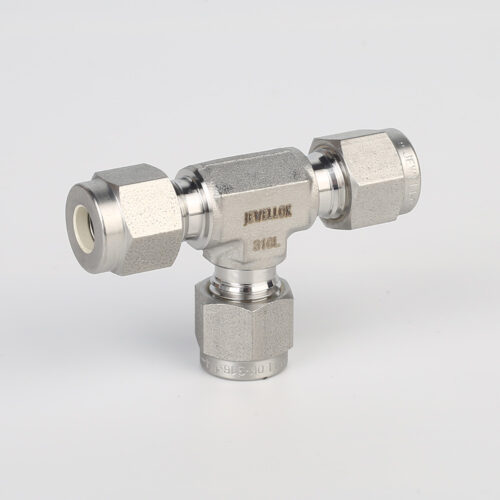
764L Stainless Steel Union Tee High Purity Fitting Union Tee Reducing Tubing Connection
-
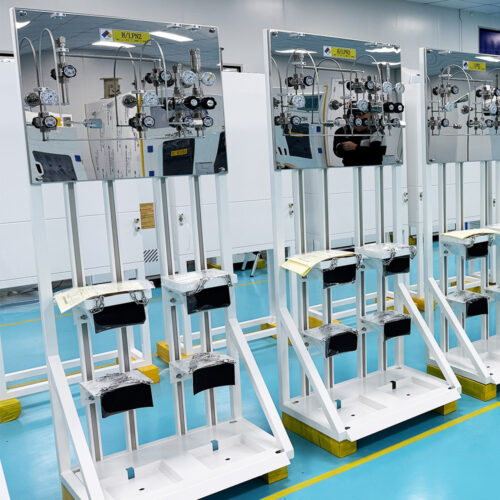
Manual Gas Rack High Purity Gas Delivery Systems JW-100-GR
-
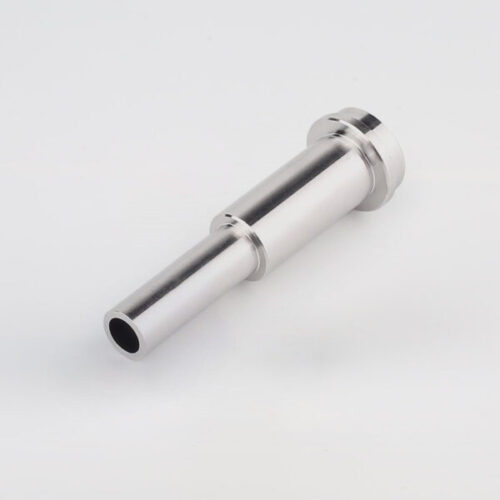
Long Gland LG Series For Ultra High Purity Gas And Chemical Delivery Systems
-
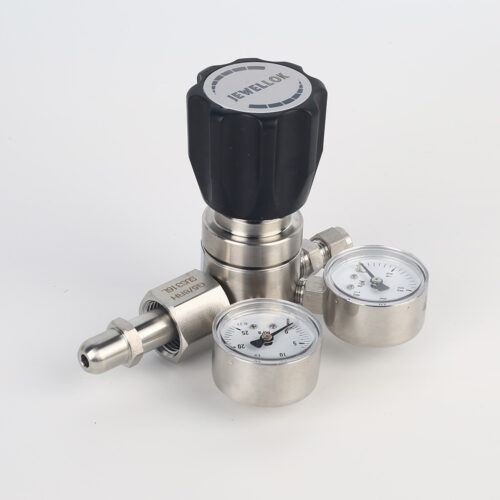
High Purity High Pressure Gas Cylinder Pressure Regulators Pressure Reducing Valve JSR-1E Series
-
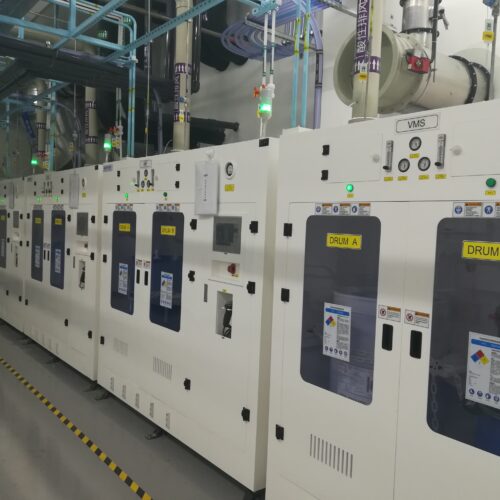
High Purity Liquid Chemical Delivery Systems Designed for Sub Micron Semiconductor Production
-
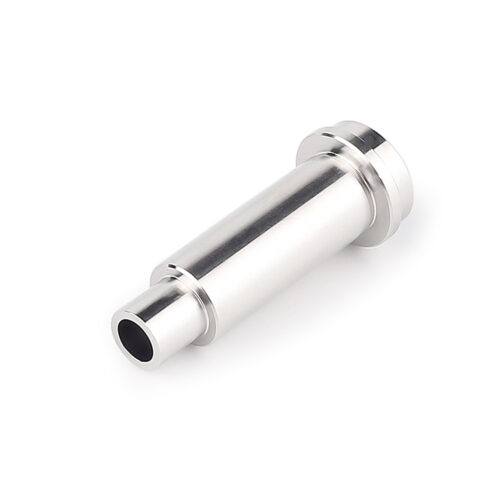
UHP Metal Gasket Face Seal Fittings Vacuum Coupling Metal Face Seal Join Long Gland And Short Gland
-
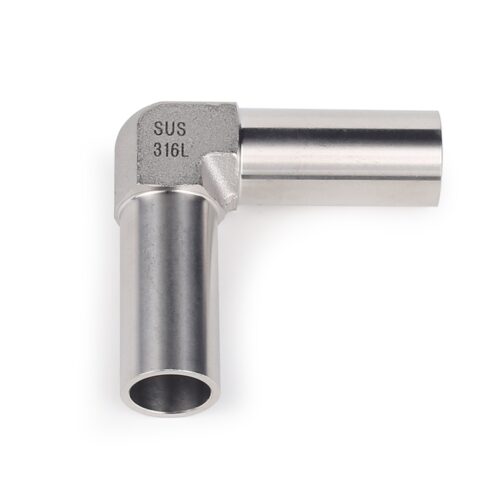
High Purity Stainless Steel Mini Tube Butt Weld Fittings For Semiconductor
-
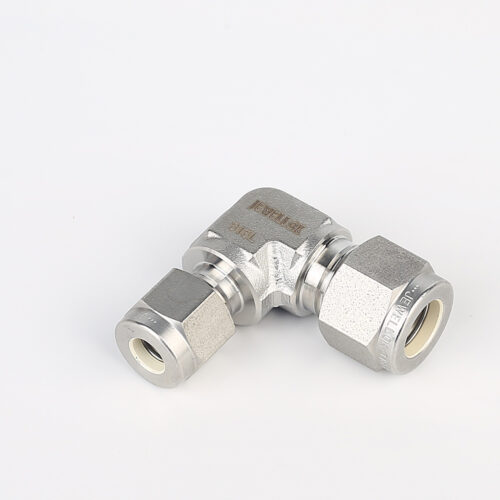
765LR Reducing Tee | Stainless Steel 316 High Purity Butt Weld Fittings Metal Face Seal For Welding Pipe Fitting Reducing Tee