
Regulator Manufacturer Tel: +86 13380377051
Regulator Manufacturer Tel: +86 13380377051
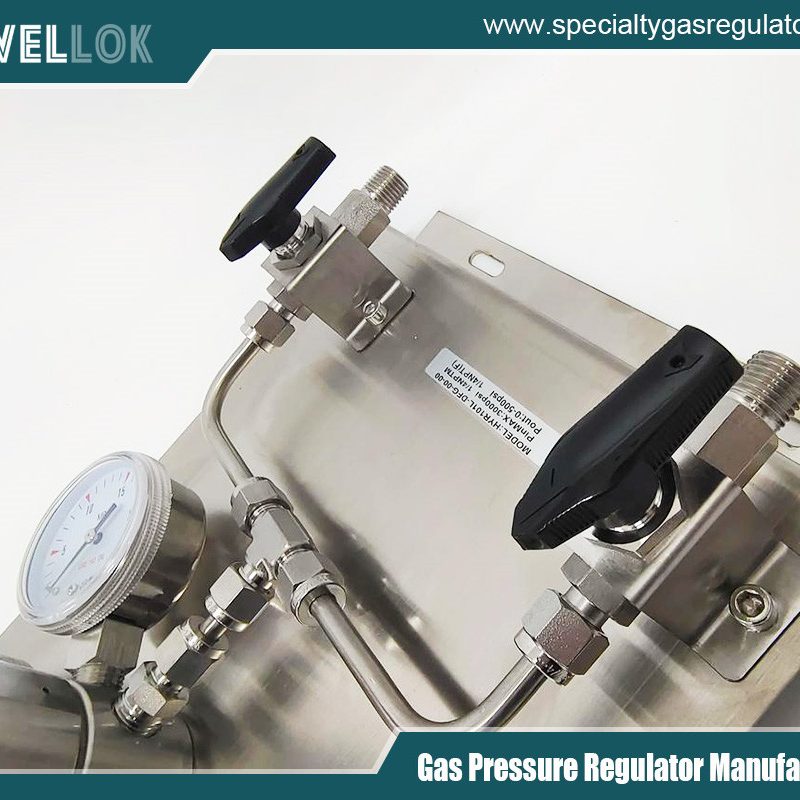
Special CO2 Pressure Regulating Valve for the Food and Beverage Industry – Compliant with USP Class VI Standards
In the highly sensitive and regulated world of food and beverage (F&B) production, the precision and purity of every process component are paramount. Carbon dioxide (CO2) is a critical utility gas, essential for carbonation, inerting, packaging, and extraction. Its control, however, presents a unique challenge: maintaining exact pressure while ensuring absolute product integrity and safety. This article delves into the engineering, materials, and standards behind specialized CO2 pressure regulating valves designed explicitly for the F&B sector, with a particular focus on compliance with the stringent United States Pharmacopeia (USP) Class VI standards—a benchmark for material safety that is increasingly becoming the gold standard for food-grade applications.
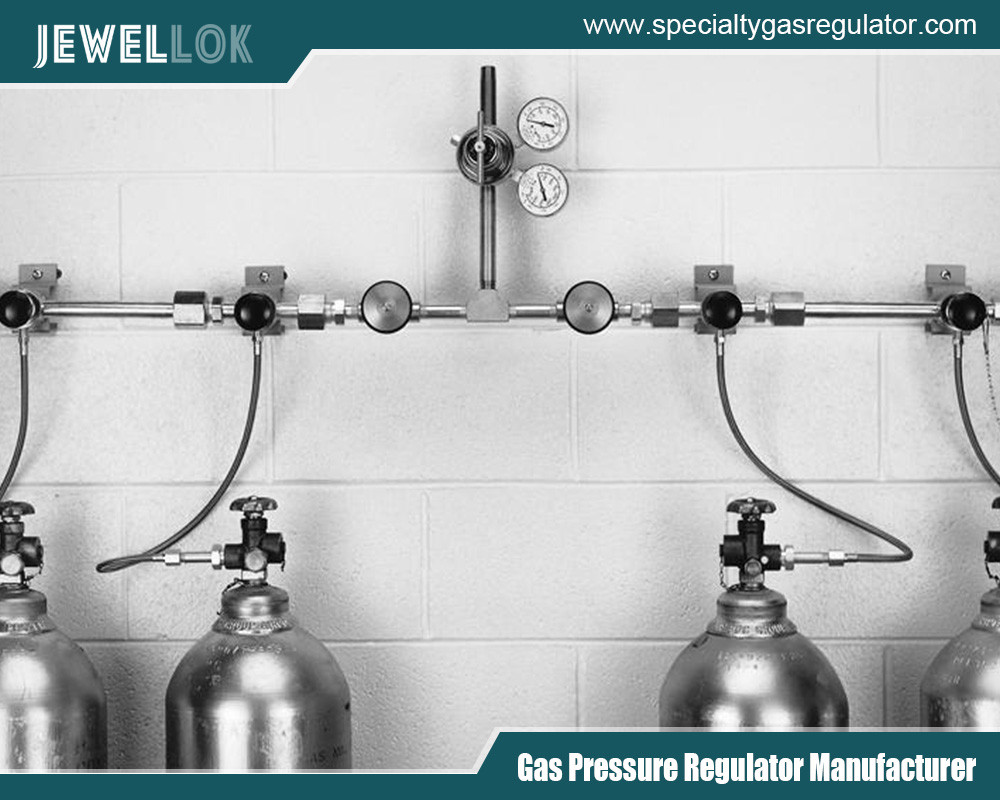
The Critical Role of CO2 Control
Carbon dioxide is the lifeblood of many beverage operations, from the effervescence in soft drinks and beers to the preservation of juices and wines. In food processing, it is used for modified atmosphere packaging (MAP) to extend shelf life and in supercritical fluid extraction for flavors and oils. The pressure at which CO2 is delivered is non-negotiable; a variance of mere psi can alter carbonation levels, affecting taste, mouthfeel, and product consistency across millions of units.
Beyond performance, safety is non-negotiable. CO2 used in these processes must not become a vector for contamination. Trace amounts of leaching compounds from valve diaphragms, seals, or lubricants—such as plasticizers, stabilizers, or monomers—can migrate into the product, posing health risks and causing off-flavors or odors. This intersection of precision engineering and material purity defines the need for a specialized pressure regulating valve, far removed from standard industrial regulators.
Anatomy of a Specialized F&B CO2 Pressure Regulator
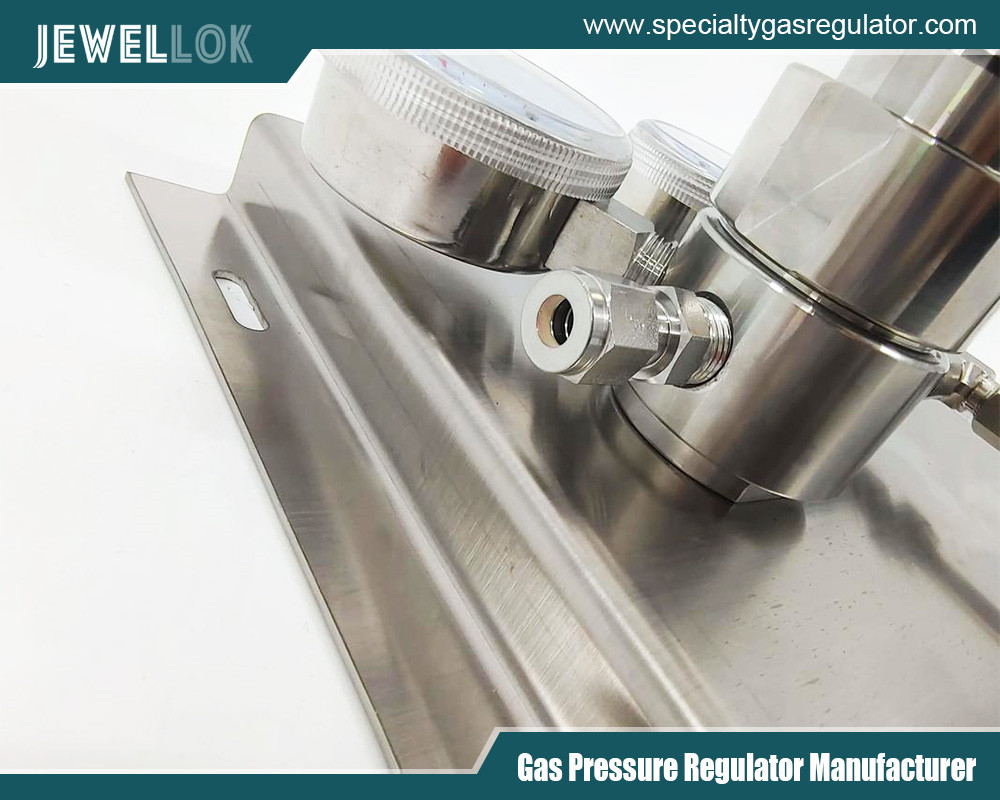
A standard pressure reducer is inadequate for F&B applications. The specialized valve is a system engineered for hygiene, accuracy, and durability.
- Hygienic Design: The valve body typically features a polished stainless steel (often 316L) construction with electropolished interiors. This prevents bacterial harborage in surface imperfections and allows for effective clean-in-place (CIP) or steam-in-place (SIP) procedures. Connections are usually tri-clamp, DIN 11851, or other aseptic fittings that allow for rapid disassembly without dead zones where product or moisture can accumulate.
- Precision Sensing and Control: At its heart is a highly sensitive sensing element. A welded stainless steel diaphragm is preferred over elastomeric ones for primary sensing, as it eliminates a potential leaching source for the media. This diaphragm responds to downstream pressure changes with high fidelity, actuating the control mechanism.
- The Control Mechanism & Critical Sealing: The sealing point where the valve seat meets the orifice is crucial. Here, materials compliant with USP Class VI are essential. Even with a metal diaphragm, secondary seals (e.g., stem seals, static O-rings) and the seat itself (if elastomeric) are in contact with the gas. These components must be manufactured from advanced polymers like perfluoroelastomer (FFKM) or high-purity platinum-cured silicone, chosen specifically for their inertness and certification.
- Controlled Flow Path: The internal flow path is designed to be smooth and turbulence-free, minimizing pressure drop and preventing the formation of stagnant zones. This is critical for maintaining consistent pressure and preventing the accumulation of moisture, which can lead to corrosion or microbial growth.
The Gold Standard: Understanding USP Class VI Compliance
While FDA 21 CFR and EC 1935/2004 are regulatory frameworks for food contact materials, USP Class VI is a performance-based plastics classification that provides a rigorous, standardized testing protocol. It is part of the United States Pharmacopeia, a compendium for drug and medical device quality. Its adoption in the F&B industry signifies a commitment to the highest level of material safety assessment.
USP Class VI testing involves a series of exhaustive biological reactivity tests to ensure materials are non-toxic and non-irritating:
- Systemic Injection Test: Extracts of the material are injected intravenously and intraperitoneally into mice. The animals are observed for signs of toxicity over several days.
- Intracutaneous Test: Extracts are injected into the skin of rabbits. The injection sites are examined for erythema, edema, and necrosis, measuring localized irritation.
- Implantation Test: Strips of the material are surgically implanted into the muscle tissue of rabbits. The tissue reaction is examined microscopically after 72 hours to 120 hours, assessing the biological response to direct, prolonged contact.
A material that passes all three tiers of testing is classified as USP Class VI. For a CO2 regulator, this means that every elastomeric and polymeric component in contact with the gas stream—from valve seats and O-rings to diaphragm liners and lubricants—must be fabricated from USP Class VI-certified raw materials and, ideally, the final assembled unit should be validated as compliant. This certification provides unparalleled assurance that the valve will not leach harmful substances into the CO2 stream, even under variable temperatures and pressures encountered in F&B plants.
Why USP Class VI Matters in F&B CO2 Applications
The drive towards USP Class VI compliance in food equipment is fueled by several key industry trends:
- Protecting Sensitive Products: Craft beverages, premium juices, and functional drinks often contain delicate flavor profiles and organic compounds. Even minute contamination can alter their characteristic taste, leading to consumer rejection and brand damage.
- Mitigating Risk in Direct Injection: In processes like carbonation, where CO2 is injected directly into the liquid, any leachates are carried straight into the product batch. The regulator is the last piece of equipment before the gas meets the foodstuff.
- Regulatory & Customer Assurance: While not always a legal mandate for food, USP Class VI serves as a powerful due-diligence tool. It demonstrates to auditors and large corporate customers (who often have stricter internal standards than regulations) that the equipment supplier has prioritized safety at a pharmaceutical grade.
- Future-Proofing Operations: As global supply chains and safety standards tighten, adopting the highest available standard simplifies compliance and facilitates entry into the most stringent markets.
Application-Specific Considerations
The “one-size-fits-all” approach fails in the diverse F&B landscape. Specialized CO2 pressure regulating valves are tailored for specific duties:
- Beverage Carbonation (Inline or In-Tank): Requires exceptional pressure stability (±0.05 psi) to ensure consistent Volumes of CO2 (g/L). Valves must handle high flow rates during peak injection and be resistant to pressure shocks from pump starts/stops. Hygienic design is critical to prevent microbial contamination in wet environments.
- Modified Atmosphere Packaging (MAP): Here, CO2 is often part of a mixed gas blend (with N2 and O2). The regulator must maintain precise pressure for blanket formation and be compatible with other gases without cross-contamination or material degradation.
- Kegging and Dispense (Draft Beer, Post-Mix): Reliability and safety are key. The valve must prevent over-pressurization of kegs and maintain perfect serving pressure. Compliance ensures the purity of taste from brewery to glass.
- Supercritical CO2 Extraction: This high-pressure, high-temperature process demands regulators capable of withstanding extreme conditions (e.g., 5,000+ psi) while maintaining material integrity and preventing contamination of the extracted oils or compounds.
Selection, Installation, and Maintenance Best Practices
Selecting the right valve involves more than just pressure range and connection size.
- Selection Criteria:
- Pressure Range & Accuracy: Match the valve’s control range and accuracy to the process requirement.
- Flow Capacity (Cv): Ensure it can handle the maximum required flow without droop or instability.
- Material Certification: Demand documented proof of USP Class VI compliance for all wetted materials.
- Hygienic Certification: Look for 3-A Symbol, EHEDG, or similar design acceptance.
- Temperature Rating: Must cover process and cleaning (SIP) temperatures.
- Installation: Install in a clean, accessible location. Use appropriate filtration upstream (coalescing filters to remove oil and particulates) to protect the valve’s components. Ensure proper support to avoid stress on the connections.
- Maintenance: Adhere to a scheduled preventative maintenance (PM) program. This includes regular inspection of seals and diaphragms, cleaning according to manufacturer’s CIP/SIP guidelines, and recalibration. Using only OEM USP Class VI-compliant replacement parts is essential to maintain the system’s integrity.
Conclusion
The choice of a CO2 pressure regulating valve in the food and beverage industry transcends mere functionality. It is a critical decision point for product quality, brand protection, and consumer safety. By moving beyond generic industrial regulators and investing in valves engineered with hygienic principles and certified, high-purity materials like those meeting USP Class VI standards, manufacturers future-proof their operations. These specialized valves provide the precise, reliable, and—most importantly—safe control of CO2, ensuring that the integrity of the gas, and consequently the final product, remains uncompromised from the supply tank to the consumer’s table. In an industry where purity is as important as pressure, the regulator is not just a piece of hardware; it is a guardian of quality.
For more about special CO2 pressure regulating valve for the food and beverage industry – compliant with USP class VI standards, you can pay a visit to Jewellok at https://www.specialtygasregulator.com/product-category/ultra-high-purity-diaphragm-valves/ for more info.
-
Stainless Steel Ultra High Purity Mini Butt Weld Mini Tee Reducer MTRW Series Fittings
-
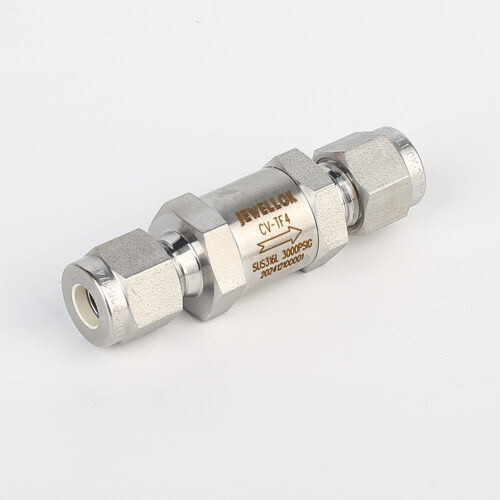
High Pressure High-Purity Welded Check Valves And Low Cracking Pressure Check Valve JCV1 Series
-
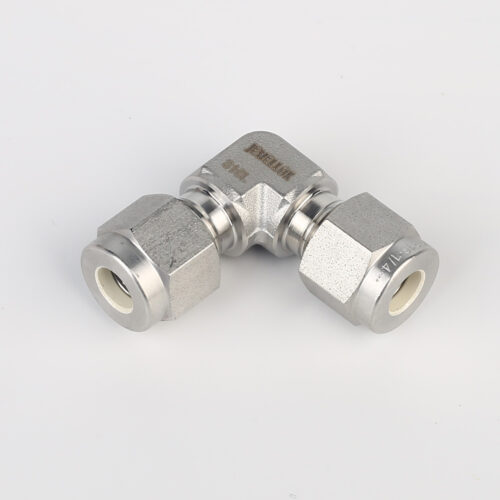
765L Stainless Steel Union Elbow Reducing High Purity Fitting Tubing Extension Tubing Connection
-
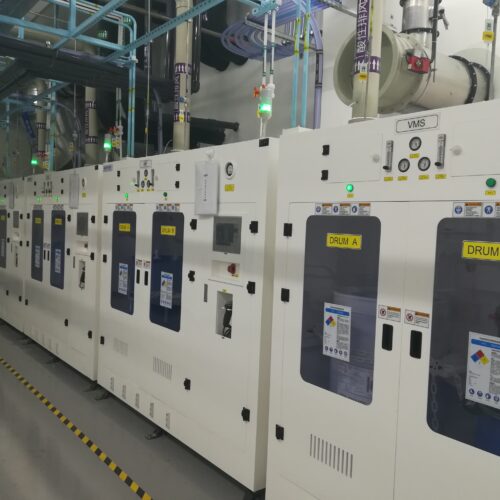
High Purity Liquid Chemical Delivery Systems Designed for Sub Micron Semiconductor Production
-
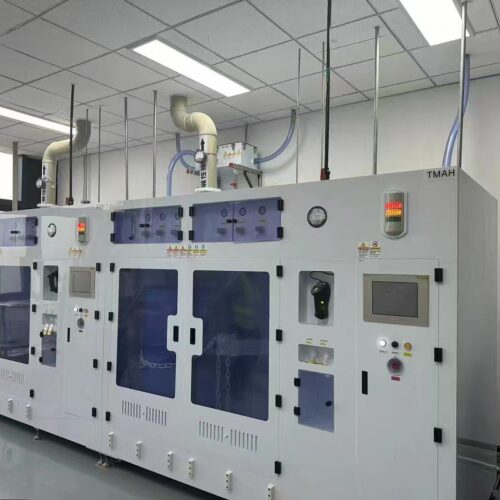
Vertical Laminar Flow Workstation (VLF) With Chemical Concentration Monitor
-
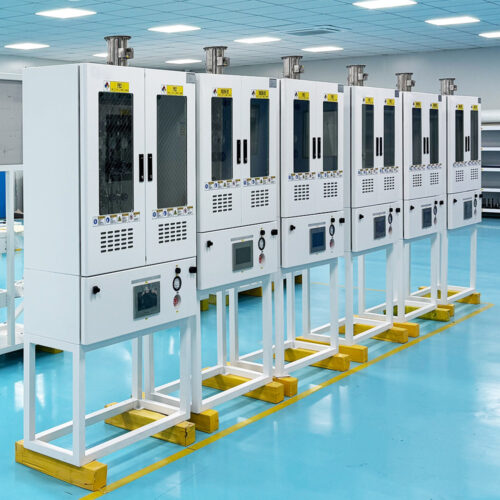
Ultra High Purity Gas Delivery Systems And Liquid Chemical Delivery Systems JW-300-LDS
-
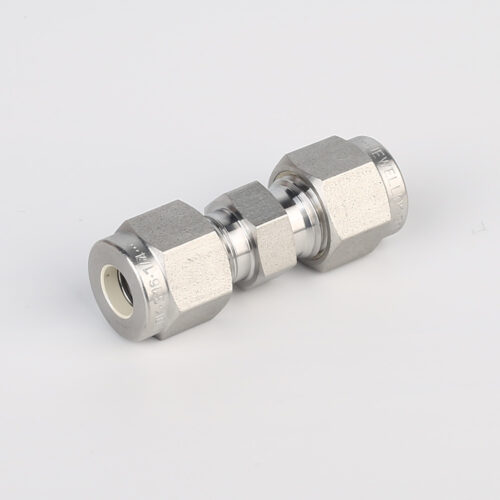
762L Stainless Steel High Purity Union High-Purity Gas System Fittings
-
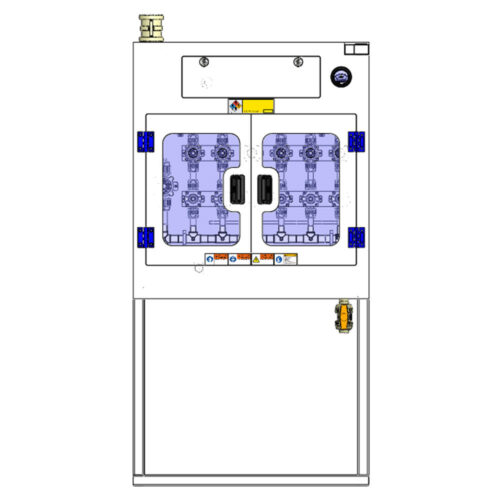
High Purity Configurable Systems VMB Valve Manifold Box JW-200-VMB-C & JW-100-VMB-C