
Regulator Manufacturer Tel: +86 13380377051
Regulator Manufacturer Tel: +86 13380377051
Medical Gas System Leak Detection: An Inspection Procedure Starting with Valves
Medical gas systems are the silent circulatory systems of modern healthcare facilities. They deliver essential—often life-sustaining—gases such as oxygen, nitrous oxide, medical air, and carbon dioxide, as well as vacuum for surgical and suction purposes. The integrity of these systems is paramount; a leak not only represents a significant financial loss due to wasted product but also poses critical safety risks, including fire hazards in oxygen-enriched environments and the potential for anesthetic gas exposure to staff.
When a drop in system pressure or an unexplained increase in gas consumption is detected, the search for the source must be immediate, systematic, and methodical. While sophisticated electronic leak detectors exist, the most effective and fundamental troubleshooting process often begins at the most logical control point: the valve. This article outlines a professional, step-by-step inspection procedure for identifying medical gas leaks, prioritizing the valve as the primary diagnostic tool.

Phase 1: Preparation and Safety Protocols
Before any physical inspection begins, absolute safety is paramount. Medical gas systems are not standard plumbing; they are critical medical infrastructure.
-
Isolate the Area: Determine the zone of the facility affected by the suspected leak. Is it a single patient room, a specific wing, or the entire building? Notify the relevant clinical staff (Nursing, ICU, OR) before beginning work that may require shutting down parts of the system.
-
Review As-Built Drawings: Obtain the most recent “as-built” schematics for the medical gas pipeline. These documents are indispensable. They detail the location of all shut-off valves, zone valve boxes (ZVBs), risers, and pressure monitoring panels.
-
Gather Tools: Assemble the necessary equipment. This includes:
-
Leak detection spray (non-corrosive, specifically formulated for medical gas systems).
-
Ultrasonic leak detector (useful for pinpointing the high-frequency sound of pressurized gas escaping).
-
Pressure gauges and manometers to verify readings.
-
Personal Protective Equipment (PPE): Safety glasses, gloves, and appropriate footwear.
-
Communication devices: Two-way radios for communication between the technician in the plant room and the team inside the facility.
-
Phase 2: Verification and the “Big Picture”
A common mistake is to immediately start spraying fittings in a patient room. The first step is to confirm the leak exists and understand its scope.
-
Check the Master Alarm Panel: The Medical Gas Alarm system is the first responder. Are there any Master Alarms indicating a pressure drop or a “line pressure high/low” condition?
-
Analyze Supply Trends: At the source equipment (liquid oxygen tank, manifold, or air compressor), observe the run-time cycles. Are the compressors short-cycling? Is the liquid oxygen tank consuming faster than the weather-adjusted usage rates predict? A small, continuous leak will force the supply system to work constantly to maintain line pressure, leading to premature equipment wear and excessive energy consumption.
-
Establish a Baseline: Record the current pressure readings at the main supply headers and at various area alarm panels throughout the building. This provides a snapshot of the system’s current state.
Phase 3: The Valve-Based Isolation Procedure (Step-by-Step)
With the baseline established, the systematic search begins. This method, known as “zone isolation,” uses the pipeline’s own valves to divide the network into smaller, manageable sections.
Step 1: The Main Line and Risers
Start at the source. Close the main shut-off valve supplying a specific riser or a major wing of the hospital.
-
Procedure: After notifying affected areas, slowly close the main zone valve for a specific section.
-
Observation: Monitor the pressure gauge on the source side of that valve. If the pressure stabilizes immediately after closing the valve, the leak is not in the main supply line or the source. However, if the pressure continues to drop, the leak is located somewhere between the source and the valve you just closed. If the pressure holds steady, you have successfully isolated the leak to the downstream side of that valve. Proceed to the next step.
Step 2: Zone Valve Boxes (ZVBs)
ZVBs are the critical control points located in corridors outside high-risk areas like operating rooms, ICUs, and labor & delivery suites. They typically contain valves for specific gases serving that zone.
-
Procedure: Go to the ZVB for the affected area. Using your communication device, coordinate with a colleague at the main source or master alarm panel.
-
Selective Isolation: Close the oxygen valve for that specific zone. Observe the pressure and alarm status. If the pressure drop stops, the leak is within that zone. If it continues, reopen the oxygen valve and close the medical air valve for the same zone. Repeat this process for each gas.
-
Interpretation: This process identifies not only which zone contains the leak, but also which gas line within that zone is compromised. This drastically narrows the search area.
Step 3: In-Room Isolation (Service Valves)
Once a specific zone and gas type are identified (e.g., “Oxygen leak in OR 3 zone”), the next level of isolation is the individual room service valves.
-
Procedure: Enter the suspect zone. Locate the service valves for the specific room. These are usually found in a dedicated gas cabinet or above the ceiling near the patient headwall.
-
Close and Monitor: Close the supply valve for the suspect gas to the specific room.
-
Observation: If the overall system pressure drop for that zone ceases, you have successfully traced the leak to the piping, fittings, or terminal units inside that specific room.
Step 4: Terminal Unit Inspection
With the room isolated, the focus narrows to the final point of use: the gas outlet (terminal unit).
-
Visual Inspection: Look for any signs of physical damage to the outlet faceplate or the wall surrounding it. Has an equipment arm or a piece of furniture impacted the outlet?
-
Functional Test: Insert a test gas-specific adapter or a piece of medical equipment (e.g., a ventilator hose) into the outlet. Listen for hissing.
-
Leak Detection Spray: Carefully apply a small amount of approved leak detection fluid to the base of the outlet where it meets the wall, and around the connection point of the test adapter. Bubbles will form at the leak source.
-
The Valve Seat Check: If no leak is found at the external connection, the leak may be internal. The valve inside the terminal unit itself may be failing to seat properly. This requires removal of the outlet for bench testing or replacement, a task that must be performed by a certified medical gas plumber.
Phase 4: Beyond the Valves – Secondary Checkpoints
If the entire system holds pressure when all zone valves are closed, but leaks appear when they are open, the issue is downstream. However, if the leak persists even with everything closed, the source is in the primary distribution or the supply equipment itself. At this point, the inspection moves to high-risk areas not controlled by zone valves.
-
Line Drops and Risers: Vertical risers running between floors can be compromised by seismic activity or settling of the building. These are difficult to access but can be checked by isolating them from above and below and pressure-testing the section.
-
Mechanical Rooms: Check all fittings and connections in the plant rooms, especially around manifolds and compressors where vibration can loosen connections over time.
-
Brazed Joints: While rare in a properly installed system, pinhole leaks can occur in brazed joints. These are difficult to find with spray due to insulation and pipe clamps and may require an electronic leak detector or a helium mass spectrometer test for pinpoint accuracy.
Phase 5: Reporting and Verification
Finding the leak is only half the battle. The final phase ensures the fix is effective and the system is documented.
-
Repair: Any repair must be performed by an ASSE 6010 (or equivalent) certified medical gas installer. Repairs typically involve cutting out the defective section, re-brazing with new fittings, and performing a rigorous pressure test and purity verification on that specific branch before reconnecting it to the live system.
-
System Purge: After the repair, the isolated line must be purged to remove any debris or contaminants introduced during the repair process.
-
Final Pressure Test: Once the system is fully reconnected and all valves are reopened, monitor the master alarms and source equipment for a full 24-hour cycle. Verify that the pressure holds and the supply equipment run-times have returned to normal baseline levels.
-
Documentation: Update the maintenance logs. Record the location of the leak, the date of repair, the gas type, and the method of detection. This historical data is invaluable for predicting future failure points. If a valve was replaced, ensure the “as-built” drawings are updated accordingly.
Conclusion
Leak detection in a medical gas system is a process of elimination that requires patience, precision, and a strict adherence to safety. While technology provides excellent tools for pinpointing leaks, the logical framework for finding them relies on the system’s own infrastructure. By beginning the inspection at the valve—starting with the main line isolations, progressing through zone valve boxes, and ending at the service valves and terminal units—a technician can systematically narrow a facility-wide pressure drop down to a single faulty component. This structured approach minimizes disruption to critical healthcare services, ensures the safety of patients and staff, and restores the integrity of a system where failure is not an option.
For more about medical gas system leak detection: an inspection procedure starting with valves, you can pay a visit to Jewellok at https://www.specialtygasregulator.com/product-category/ultra-high-purity-diaphragm-valves/ for more info.
-
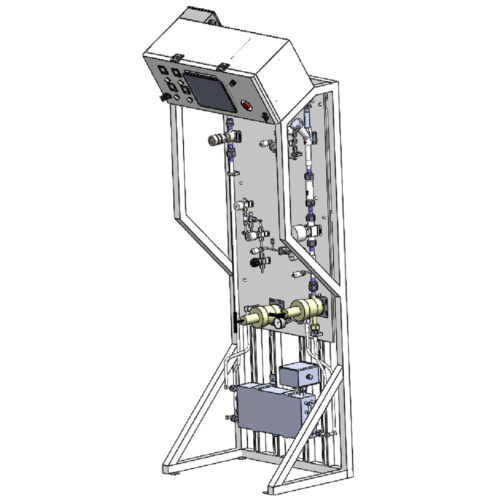
Fully Automated Gas Cabinet Gas Rack Gas Delivery Systems JW-300-GR
-
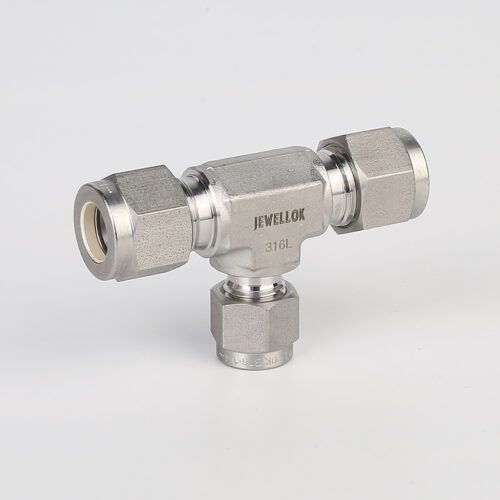
764LR Stainless Steel 316 Reducing Tee UHP Fitting Automatic Buttweld Reducing Tee
-
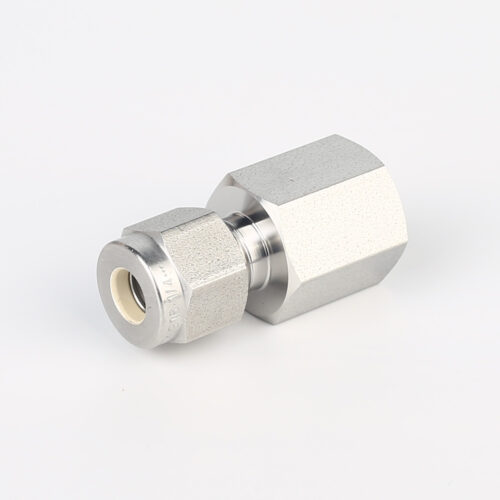
766L High Purity Female Connector UHP Fitting Female Connector
-
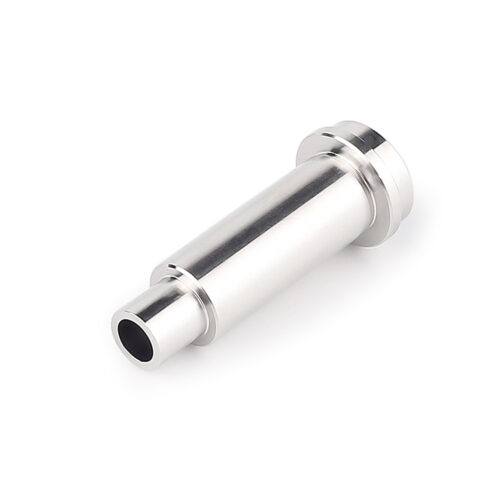
UHP Metal Gasket Face Seal Fittings Vacuum Coupling Metal Face Seal Join Long Gland And Short Gland
-
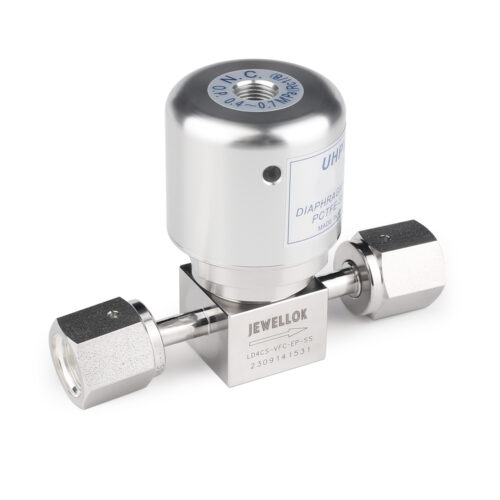
Stainless Steel Low Pressure Seal Pneumatic Diaphragm Control Valve For For HP & UHP Gases
-

Semi Automatic Gas Changeover Manifold System Manual Changeover Manifold Panel Single Stage Automatic Switchover Board
-
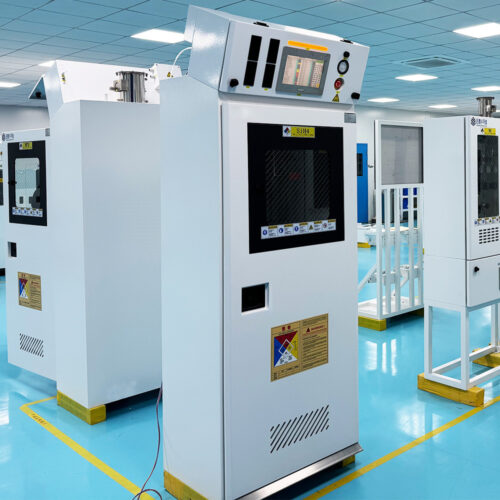
High-Efficiency Exhaust Gas Scrubber System for Semiconductor and Photovoltaic Hazardous Gas Abatement Solutions
-
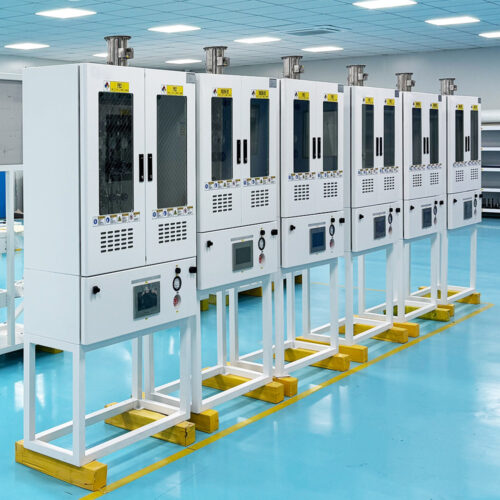
Custom Wet and Dry Exhaust Gas Scrubber System Technology for Effective Acid Gas Neutralization