
Regulator Manufacturer Tel: +86 13380377051
Regulator Manufacturer Tel: +86 13380377051
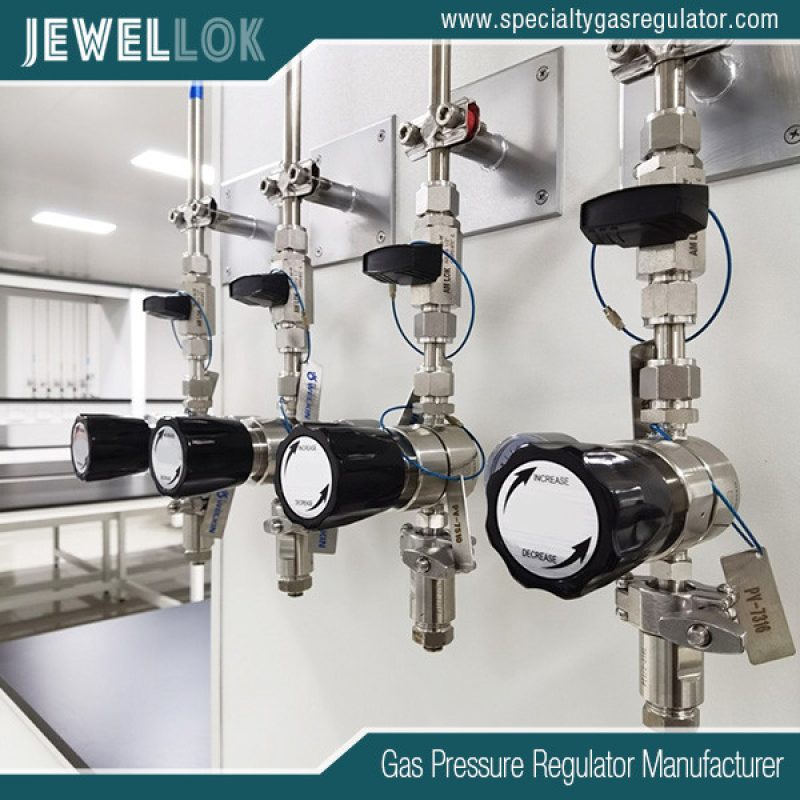
Xenon Gas Regulators for Analytical Instruments (GC-MS, ICP-MS)
In the realm of high-precision analytical chemistry, the purity and stability of carrier and reagent gases are paramount. While gases like helium, argon, and nitrogen are the workhorses of the laboratory, xenon occupies a unique and critical niche. Used extensively as an excitation gas in Inductively Coupled Plasma Mass Spectrometry (ICP-MS) for specialized analyses and as a heavy collision gas in tandem mass spectrometry, xenon’s physical properties demand a level of engineering that standard gas regulators cannot provide.
The interface between the high-pressure gas cylinder and the sensitive instrument is the gas regulator. For xenon, this is not merely a pressure-reducing valve; it is a precision instrument that must maintain extreme purity, deliver stable flow at specific pressures, and operate reliably despite the gas’s unique thermodynamic characteristics. This article explores the specific requirements, design challenges, and technological considerations behind xenon gas regulators used in critical applications like GC-MS and ICP-MS.
1. The Unique Properties of Xenon and Their Implications
To understand why xenon requires specialized regulators, one must first appreciate its physical and chemical properties.
-
High Atomic Weight and Density: Xenon is one of the heaviest stable gases (atomic weight ~131.3 u). This high density affects how it flows through an orifice. A regulator designed for argon or nitrogen will not perform optimally with xenon, potentially leading to inaccurate flow control and pressure readings.
-
Low Ionization Potential: Xenon has a relatively low ionization potential (12.13 eV). This is precisely why it is valuable in ICP-MS as a component of plasma gases or as a collision cell gas—it facilitates specific ionization pathways. However, this property also makes it sensitive to electrical discharges within the regulator.
-
Condensability: Unlike permanent gases such as helium, xenon has a relatively high boiling point (-108.1°C or 165 K). Under high pressure in a cylinder, it exists as a dense supercritical fluid or even a liquid. When this high-pressure gas expands rapidly across a regulator seat—a phenomenon governed by the Joule-Thomson effect—it cools significantly. If the regulator is not designed to compensate for this, the gas can re-liquefy or form solid particles, leading to erratic operation or complete flow failure.
-
Cost and Scarcity: Xenon is one of the rarest elements in the Earth’s atmosphere, extracted through the fractional distillation of liquid air. Consequently, it is extraordinarily expensive (costing hundreds of dollars per liter). This financial reality dictates that any regulator system must be absolutely leak-tight. The loss of a cylinder’s contents due to a faulty regulator seat or a leaking diaphragm represents a significant financial waste.
2. The Critical Role of Regulators in Analytical Workflows
In Gas Chromatography-Mass Spectrometry (GC-MS) and ICP-MS, the regulator is the first point of contact between the gas supply and the sample pathway. Its performance directly impacts data quality.
-
In ICP-MS: Xenon is frequently used as a collision or reaction cell gas. In this role, it collides with polyatomic interferences (e.g., ArO+ interfering with Fe+), breaking them apart or shifting their energy potential. For this to be effective, the flow of xenon into the collision cell must be stable within a range of microliters per minute. A fluctuating flow causes variable interference removal, leading to inaccurate quantitative results.
-
In GC-MS (Indirectly): While xenon is not a common carrier gas due to its cost, it is used in detector technologies like the X-ray fluorescence detectors coupled with GC. Furthermore, the principles applied to xenon regulators are identical to those for other “specialty” gases used in GC-MS, such as hydrogen (for safety) and high-purity helium (for purity).
-
Maintaining Vacuum Integrity: In mass spectrometry, the background vacuum must be pristine. Any contamination introduced upstream—such as hydrocarbon vapors from a rubberized regulator diaphragm or air diffusing through a permeable membrane—will increase the background signal in the mass spectrometer, creating noise and masking analyte peaks.
3. Anatomy of a High-Purity Xenon Regulator
A regulator designed for xenon in analytical applications is defined by three core characteristics: purity, pressure control, and material science.
Materials and Compatibility
The “wetted” materials—the internal components that come into direct contact with the xenon gas—must be chemically inert and non-porous.
-
Stainless Steel Bodies: High-quality xenon regulators feature bodies machined from 316L stainless steel. This material offers excellent strength, corrosion resistance, and, crucially, can be electropolished. Electropolishing creates a smooth, micro-surface that prevents gas particles from adhering (adsorbing) and has no crevices where moisture or contaminants can hide.
-
Metal-to-Metal Seals: To eliminate the risk of outgassing and air diffusion, the bonnet and body seals should be metallic (e.g., nickel or stainless steel gaskets) rather than elastomeric O-rings. Elastomers can absorb atmospheric gases and slowly release them into the xenon stream.
-
Diaphragm Material: The diaphragm is the flexible membrane that actuates the regulator. For xenon, the standard is a multi-layer stainless steel diaphragm. This provides superior pressure sensitivity compared to piston-style regulators and, unlike polymer diaphragms, is completely impermeable to atmospheric gases.
Seat Design and the Joule-Thomson Effect
The most critical component in a xenon regulator is the seat and nozzle assembly. This is where the high-pressure drop occurs and where condensation is most likely.
-
PCTFE (Kel-F) Seats: Due to the extreme cold generated during the expansion of xenon, the seat material must retain its dimensional stability and sealing properties at cryogenic temperatures. PCTFE (Polychlorotrifluoroethylene) is the preferred material. It has a low thermal expansion coefficient and remains slightly pliable at low temperatures, ensuring a bubble-tight seal even when frost forms on the regulator body.
-
Venturi-Assisted Flow Paths: Some advanced regulators incorporate flow path designs that minimize turbulence and pressure drop, helping to mitigate the cooling effect and prevent liquefaction.
4. Two-Stage Regulation vs. Line Regulators
For analytical instruments, two-stage regulation is the gold standard, especially for xenon.
-
Single-Stage Regulators: These reduce cylinder pressure to delivery pressure in one step. As the cylinder empties and the inlet pressure drops, the delivery pressure will “creep” upward (positive creep). This is unacceptable for ICP-MS, which requires constant cell pressures over the lifetime of the cylinder.
-
Two-Stage Regulators: These house two regulating mechanisms in series. The first stage reduces the cylinder pressure to an intermediate, stable pressure (e.g., 20 bar). The second stage then reduces this intermediate pressure to the final delivery pressure. Because the inlet pressure to the second stage is constant, the outlet pressure remains perfectly stable regardless of the cylinder’s fill level. This ensures that the ICP-MS collision cell receives a consistent flow from the first day of a new cylinder to the last.
5. Key Performance Features for ICP-MS and GC-MS
When selecting a regulator for xenon in these specific applications, look for the following technical specifications:
1. Leak Integrity (Helium Leak Rate)
The regulator must be certified for ultra-high vacuum (UHV) service. The specification to look for is the external leak rate, typically expressed in mbar·L/s. For xenon, a maximum allowable leak rate of 1 x 10⁻⁹ mbar·L/s (or lower) is desirable. This is often verified using a helium mass spectrometer leak detector during manufacturing.
2. Dead Volume and Purgeability
“Dead volume” refers to internal spaces where gas can become trapped. In a standard regulator, these areas can trap air and moisture during cylinder changeover. A well-designed xenon regulator minimizes dead volume and incorporates purge ports. By flowing an inert gas through the system before opening the xenon cylinder, the operator can sweep out any atmospheric contamination, ensuring that the first gas reaching the instrument is 100% xenon.
3. Pressure Gauge Media Isolation
Standard pressure gauges often have Bourdon tubes made of brass or copper and may contain oil or glycerin for dampening. In a xenon regulator for high-purity use, the gauges should feature stainless steel internals and, ideally, a diaphragm seal that isolates the process gas from the gauge mechanism. This prevents any trapped manufacturing oils from migrating back into the gas stream.
4. Cv (Flow Coefficient) and Delivery Pressure
Xenon’s high density means a regulator designed for a high-flow application (like purging a chamber) will have a different Cv than one designed for the low flow required by an ICP-MS collision cell.
-
Low Flow (ICP-MS): Requires a regulator with a very low Cv and a sensitive control mechanism, often featuring a fine-thread adjustment knob to allow for precise setting of pressures as low as 0.2 bar (3 psi) with minimal deadband (the lag between turning the knob and seeing a pressure change).
-
High Purity Delivery: Regardless of Cv, the regulator must maintain purity. A “purge-type” regulator with a flow-through design is preferred, ensuring that the gas path is straight and continuous, avoiding stagnation zones.
6. Installation, Safety, and Best Practices
Working with xenon involves both economic and physical safety considerations.
-
Cylinder Connections: Xenon cylinders typically use CGA (Compressed Gas Association) fittings specific to the gas. It is imperative to use the correct fitting (e.g., CGA 580) and to ensure the nipple and nut are free of nicks and debris.
-
Ventilation: Although xenon is non-toxic and non-flammable, it is an asphyxiant. In the event of a major leak, it can displace oxygen. Regulators should be installed in well-ventilated areas, and gas detection is recommended in rooms where large cylinders are stored.
-
System Purge Procedure: A rigorous change-out procedure must be followed. After attaching the new regulator (or connecting to a new cylinder), the line should be pressurized with ultra-high purity (UHP) argon or nitrogen and then evacuated or vented. This “purge cycle” should be repeated three times before opening the xenon cylinder valve.
-
Regulator Inspection: Before installation, inspect the inlet filter (often a sintered stainless steel frit) for contamination. If the filter is clogged, it indicates contamination in the cylinder valve, and the cylinder should be returned to the supplier.
Conclusion
The xenon gas regulator is a sophisticated piece of engineering that sits at the intersection of thermodynamics, materials science, and analytical chemistry. It is the silent guardian of the gas stream, ensuring that the heavy, expensive, and condensable xenon is delivered to the ICP-MS or GC-MS in a state of pristine purity and absolute stability.
Investing in a high-quality, two-stage, stainless steel diaphragm regulator with PCTFE seats is not an accessory; it is a prerequisite for achieving the low detection limits and high reproducibility demanded by modern trace analysis. By respecting the physical properties of xenon and selecting the appropriate hardware, laboratories can protect their sensitive instrumentation, ensure the validity of their data, and minimize the operating costs associated with this rare and valuable gas.
For more about the xenon gas regulators for analytical instruments (GC-MS, ICP-MS), you can pay a visit to Jewellok at https://www.specialtygasregulator.com/ for more info.
-
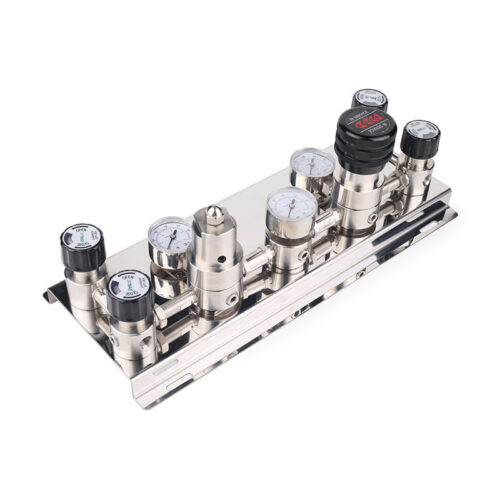
Stainless Steel High Pressure Specialty Gas Changeover Manifold For High Purity Oxygen Nitrogen Argon Helium Hydrogen Co2
-
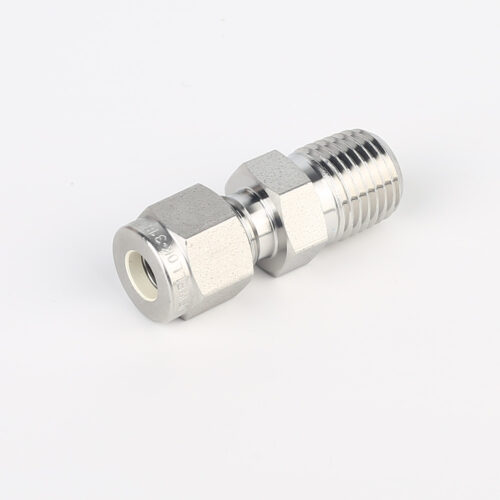
768L Stainless Steel Male Tube Butt Weld Connector | Clean Weld Fittings And Ultra-High Purity Fittings
-
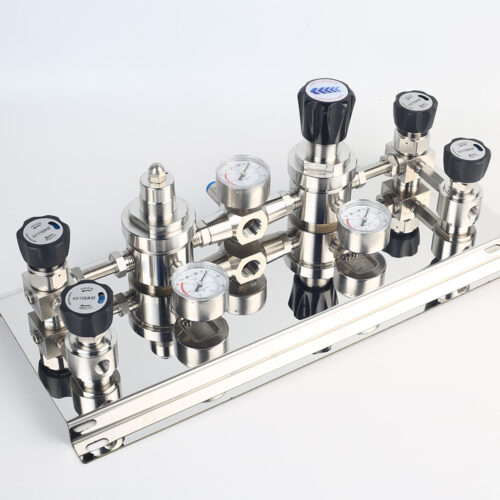
Stainless Steel Single Stage Semiconductor Grade Pressure Control Module Pressure Control Panels JSP-6A Series
-
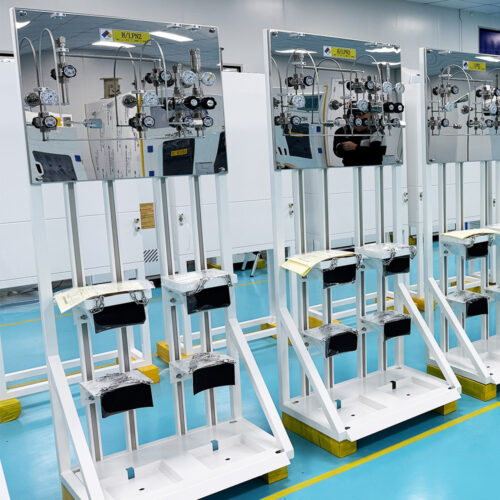
Semi Automatic Gas Cabinet Systems for Handling Toxic and Flammable Process Specialty Gases in High Tech
-
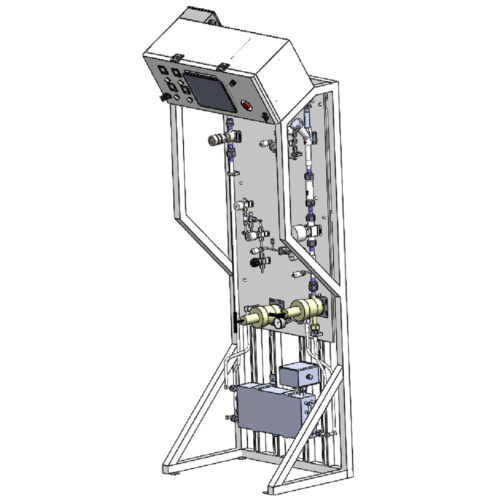
High Purity High Pressure Specialty Gas Bottle Gas Cylinder Storage Cabinet And Gas Pressure Regulating Cabinet For Semiconductor
-
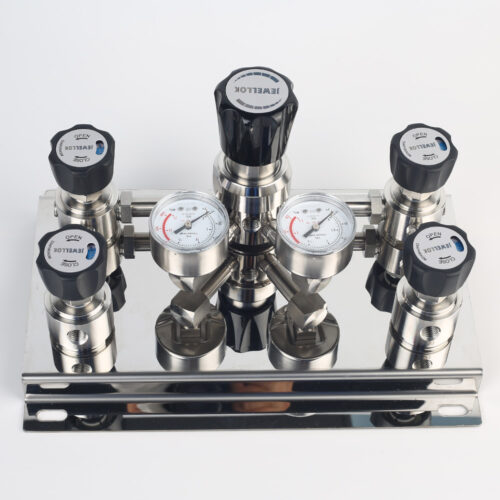
Single Stage Wall And Cabinet Mounting Pressure Control Panels JSP-2E Series For High Purity Gases
-
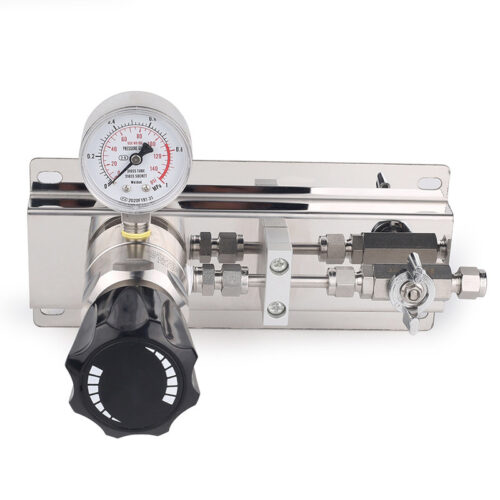
Medical Oxygen Single Stage Manual Gas Changeover Manifold Panel High-Purity Two-Stage Manual Gas Manifold Gas Pressure Control Panels
-
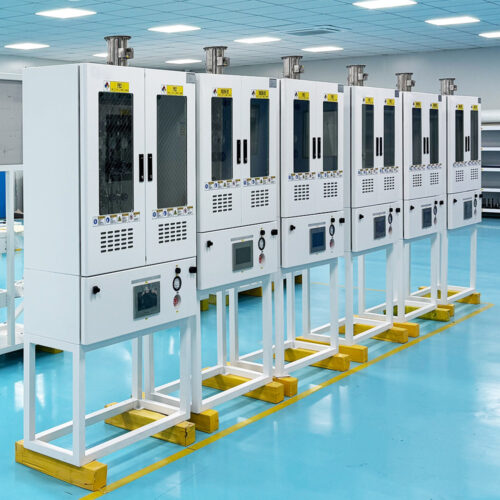
VMB Valve Manifold Panels And Boxes High Purity Configurable Systems JW-200-VMB & JW-100-VMB