
Regulator Manufacturer Tel: +86 13380377051
Regulator Manufacturer Tel: +86 13380377051
How to Test and Verify the Purity and Seal Integrity of Medical UHP Gas Valves
Medical UHP gas valves—delivering oxygen, nitrous oxide, medical air, and other critical gases—form the invisible lifeblood of modern healthcare facilities. The integrity of these systems is non-negotiable, as any contamination or leakage can lead to patient harm, operational failure, or even catastrophic events. At the heart of these distribution networks are the valves: shut-off valves, outlet valves, manifold valves, and emergency UHP valve assemblies. Their performance hinges on two paramount characteristics: Purity (ensuring the gas is not contaminated by the valve itself or external sources) and Seal Integrity (ensuring zero unintended leakage). This article provides a comprehensive technical guide to the methodologies, standards, and best practices for testing and verifying these critical properties.
1. The Critical Role of Valve Performance
Medical UHP gas valves are classified as drugs in many jurisdictions, implying their production and delivery must meet pharmaceutical-grade standards. UHP Valves act as controlled gateways within this system. A failure in purity can introduce particulates, volatile organic compounds (VOCs), microbial contaminants, or cross-contamination with other gases. A failure in sealing can lead to gas loss (posing supply risks, especially for oxygen), atmospheric contamination of the gas stream, or the creation of hazardous, oxygen-enriched environments.
Consequently, testing is not a one-time event but a lifecycle requirement: performed after manufacturing, during installation/commissioning, after maintenance, and as part of periodic validation. The process is governed by stringent international and national standards, primarily ISO 9170 (Terminal units for medical gas pipeline systems), ISO 5359 (Low-pressure hose assemblies for medical gases), HTM 02-01 (UK’s Health Technical Memorandum), and NFPA 99 (USA’s National Fire Code, Chapter on Healthcare Facilities).
2. Foundational Principles: Cleanliness and Compatibility
Before specific tests, foundational steps ensure test validity:
-
Material Compatibility: UHP Valve materials (stems, seats, seals—often elastomers like EPDM or chloroprene) must be compatible with specific gases to prevent degradation, swelling, or chemical reactions that generate impurities.
-
Initial Cleaning: Post-manufacturing, valves undergo precision cleaning to remove machining oils, particulates, and other residues. Processes may involve ultrasonic cleaning with pharmaceutical-grade solvents, followed by drying in a controlled, particle-free environment.
-
Clean Handling & Packaging: Valves must be bagged in clean, static-dissipative packaging and assembled in ISO-classified cleanrooms to prevent recontamination.
3. Testing and Verifying Purity
Purity testing ensures the valve does not become a source of contamination. It focuses on the internal gas path and the interface where gas contacts UHP valve materials.
3.1. Particulate Contamination Testing
Particulates can damage respiratory equipment or be introduced directly into a patient’s airways.
-
Method: A clean, dry, particle-free gas (typically nitrogen or medical air) is flushed through the valve at a specified flow rate. The effluent is passed through a laser particle counter or a membrane filter.
-
Analysis: The particle counter quantifies particles in size ranges (e.g., ≥0.5 µm and ≥5.0 µm). For filter collection, the filter is microscopically examined, and particles are counted and sized.
-
Standard: ISO 9170 specifies allowable particulate levels. For example, it may require that the terminal unit (including the valve) shall not release more than a certain number of particles per cubic meter of gas flow.
3.2. Hydrocarbon and Volatile Organic Compound (VOC) Testing
Residual lubricants, cleaning agents, or outgassing from polymers can introduce hydrocarbons.
-
Method: Gas Chromatography (GC), often coupled with a Flame Ionization Detector (FID) or Mass Spectrometer (MS). A gas sample is collected by flowing an inert carrier gas through the valve and trapping any VOCs on a sorbent tube or directly injecting the effluent into the GC.
-
Analysis: The chromatograph identifies and quantifies specific hydrocarbon compounds. Total hydrocarbon content is often expressed as a methane equivalent.
-
Standard: Limits are strict, often in the low parts-per-million (ppm) or even parts-per-billion (ppb) range, especially for oils and heavy hydrocarbons.
3.3. Moisture (Water Vapor) Testing
Excess moisture can cause corrosion, microbial growth, and ice blockages in high-flow systems.
-
Method: Use of a precision dew point meter. Gas is passed through the valve, and its dew point is measured. A low dew point (e.g., <-40°C) indicates extremely dry gas.
-
Analysis: The measured dew point is converted to water vapor content (e.g., in mg/m³ or ppmv).
-
Standard: NFPA 99 and pharmacopoeias (like USP) define maximum moisture levels for medical gases (e.g., for medical air, a dew point of -46°C at atmospheric pressure is a common requirement).
3.4. Identity and Purity of the Gas (Cross-Contamination)
This verifies the valve delivers the correct, uncontaminated gas.
-
Method: Gas Analysis via Infrared (IR) Spectroscopy, Paramagnetic sensing (for O2), or Laser-based analyzers. At a terminal outlet, the gas is sampled and analyzed.
-
Analysis: The analyzer confirms the gas concentration (e.g., 99.5% to 100.5% for medical oxygen) and checks for contaminants like CO, CO₂, or other gases that could indicate cross-connection or internal leakage.
-
Standard: Pharmacopoeial monographs define the required purity levels for each medical gas.
3.5. Biological Contamination (Sterility)
Critical for valves used in breathing circuits or insufflation, though less so for pipeline distribution valves.
-
Method: If required, valves are sterilized (e.g., by Ethylene Oxide, autoclave, or gamma radiation) and then tested using sterility tests (immersing components in growth media) or bacterial endotoxin tests (LAL test).
-
Analysis: Growth of microorganisms indicates test failure. Endotoxin levels must be below a threshold.
4. Testing and Verifying Seal Integrity (Leak Testing)
Leak testing is performed under both static (shut-off) and dynamic (under flow simulation) conditions.
4.1. Pressure Hold / Pressure Decay Test (Primary Method)
This is the most common quantitative test for shut-off valves.
-
Method: The UHP valve is installed in a test fixture. The inlet is pressurized with a test gas (often nitrogen or helium) to a specified test pressure (e.g., 1.5 times the maximum working pressure, per ISO 9170). The valve is then closed. The pressure is monitored with a high-resolution transducer over a defined period (e.g., 2 minutes).
-
Analysis: Any pressure drop beyond the allowable limit (which accounts for minor temperature changes) indicates leakage. The test is highly sensitive and can detect very small leaks when performed in a temperature-stable environment.
-
Calculation: Leak rate can be estimated using the ideal gas law if the upstream volume is known.
4.2. Bubble Immersion Test (Qualitative / Low-Sensitivity)
A simple, traditional test for gross leaks.
-
Method: The pressurized valve is submerged in a water bath.
-
Analysis: A steady stream of bubbles indicates a significant leak. This method is messy, can contaminate the valve, and is insensitive to small leaks. It is often used as a rough check during installation but is not suitable for formal validation.
4.3. Tracer Gas Detection (High-Sensitivity)
For critical applications or to locate very small leaks, tracer gases like helium are used.
-
Method: Helium Mass Spectrometry Leak Detection.
-
Vacuum Method: The UHP valve is pressurized with helium, placed in a vacuum chamber connected to a mass spectrometer. Any helium leaking from the valve is detected.
-
Sniffing Method: The valve is pressurized with helium, and a hand-held “sniffer” probe traces all potential leak paths (seals, stem, body joints).
-
-
Analysis: The mass spectrometer provides a quantitative leak rate (e.g., in mbar·L/s or atm·cc/s). Standards like ISO 15848 define tightness classes for valves.
4.3. Flow-Through Leakage (for UHP Valves in Regulators or Outlets)
Tests the seal of the UHP valve mechanism itself under flow conditions.
-
Method: With the valve in the closed position, pressure is applied upstream. A flowmeter or a soap film burette is connected downstream. Any gas flowing past the closed valve seat is measured.
-
Analysis: The measured flow rate is the seat leakage rate. ISO 10524 (for pressure regulators) specifies maximum allowable leakage rates.
5. Integrated Validation in Pipeline Systems
Individual UHP valve testing is complemented by system-wide validation:
-
Cross-Connection Test: After installation, each outlet is tested with a gas-specific analyzer to ensure the correct gas is present—this is the ultimate test for valve and pipeline integrity against mis-connection.
-
Piping System Purity Test: The entire pipeline, including all valves, is purged and tested for particulate and hydrocarbon contamination before being put into service.
-
Periodic Testing (Ongoing Verification): Outlet valves are tested annually (per NFPA 99) for correct gas, adequate flow, absence of leaks, and mechanical integrity.
6. Documentation and Traceability
All tests must be documented in a Validation Report or Test Certificate, including:
-
Valve unique identifier (serial number)
-
Applicable standards and acceptance criteria
-
Test equipment used (with calibration dates)
-
Test conditions (pressure, gas, duration)
-
Raw data and results
-
Technician signature and date
This ensures full traceability, a core tenet of medical device quality systems (ISO 13485).

7. Conclusion
Testing the purity and seal integrity of medical UHP gas valves is a multidisciplinary exercise blending materials science, fluid dynamics, metrology, and regulatory compliance. A robust testing protocol employs a combination of methods: pressure decay for quantitative sealing, tracer gas for ultra-sensitive leak detection, and gas chromatography/particle counting for purity assurance. These tests, conducted within the framework of international standards and with meticulous documentation, are not mere procedural hurdles. They are the essential safeguards that ensure the silent, reliable, and safe operation of the medical gas systems upon which patient care critically depends. As technology advances, we can expect further integration of automated test stations, in-line sensors for continuous monitoring, and even smarter valves with self-diagnostic capabilities, further elevating the safety and reliability of this vital hospital infrastructure.
For more about how to test and verify the purity and seal integrity of medical UHP gas valves, you can pay a visit to Jewellok at https://www.specialtygasregulator.com/product-category/ultra-high-purity-diaphragm-valves/ for more info.
-
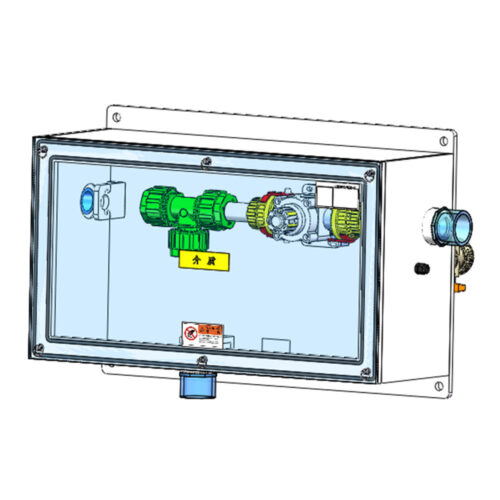
FT-BOX JW-FTB-C Valve Manifold Panels And Boxes With High Purity Configurable Systems
-
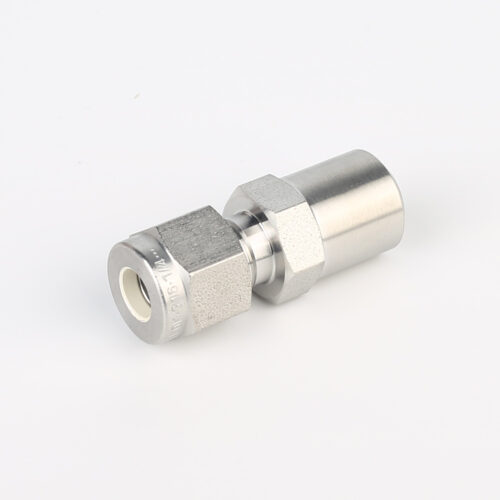
768LN Stainless Steel Male Pipe Tube Butt Weld Connector And Tube Fittings Supplier
-
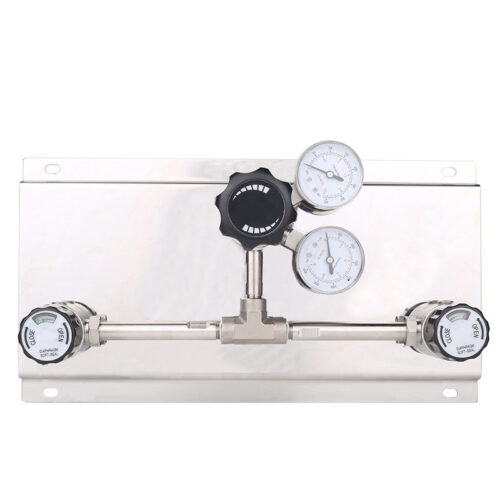
High Pressure High Flow Specialty Gas Control Panel With Diaphragm Valve , 3000Psig Oxygen Control Medical Changeover Manifold Panel
-
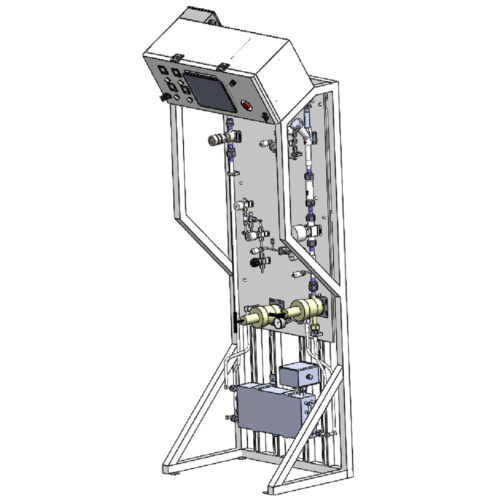
Fully Automated Gas Cabinet Gas Rack Gas Delivery Systems JW-300-GR
-
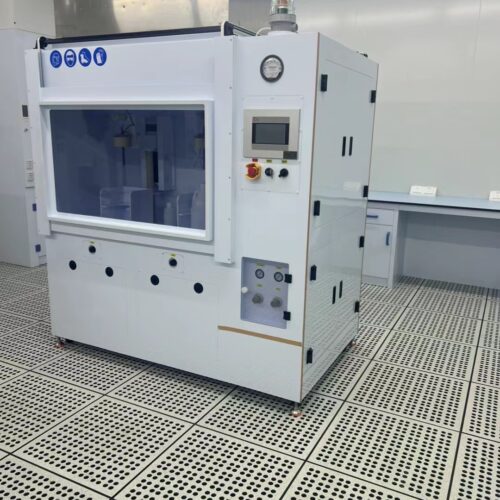
Custom VMB Valve Manifold Boxes for Enhanced Tool Isolation and Maximum Uptime in Complex Chemical Distribution Networks
-
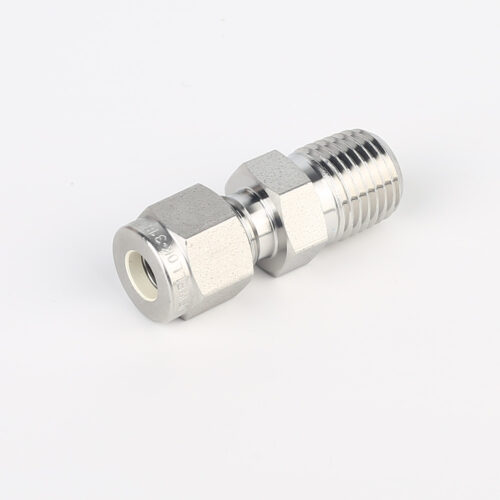
768L Stainless Steel Male Tube Butt Weld Connector | Clean Weld Fittings And Ultra-High Purity Fittings
-
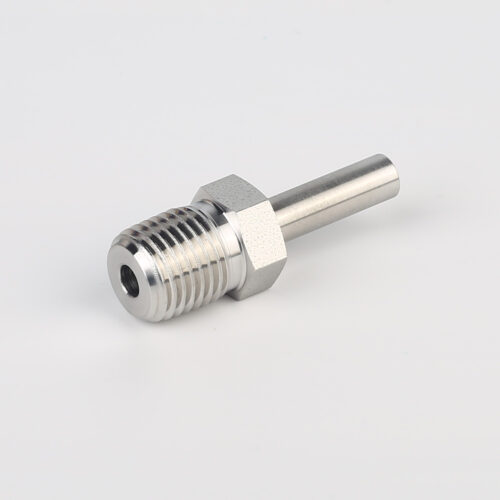
739 High Purity LMR Male Adapter Tube To Pipe Fittings And Adapters
-
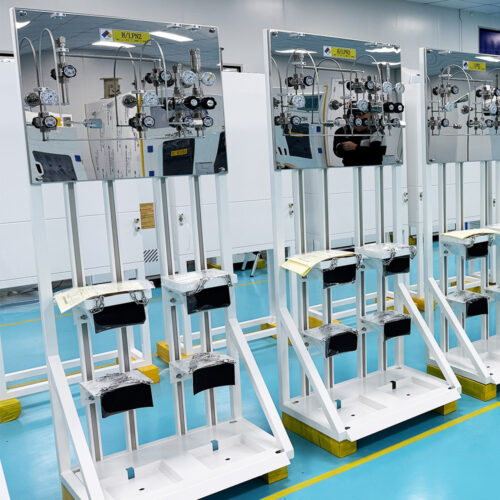
Fully Automated Gas Cabinet for Safe Ultra High Purity Specialty Gas Delivery in Semiconductor Manufacturing