
Regulator Manufacturer Tel: +86 13380377051
Regulator Manufacturer Tel: +86 13380377051
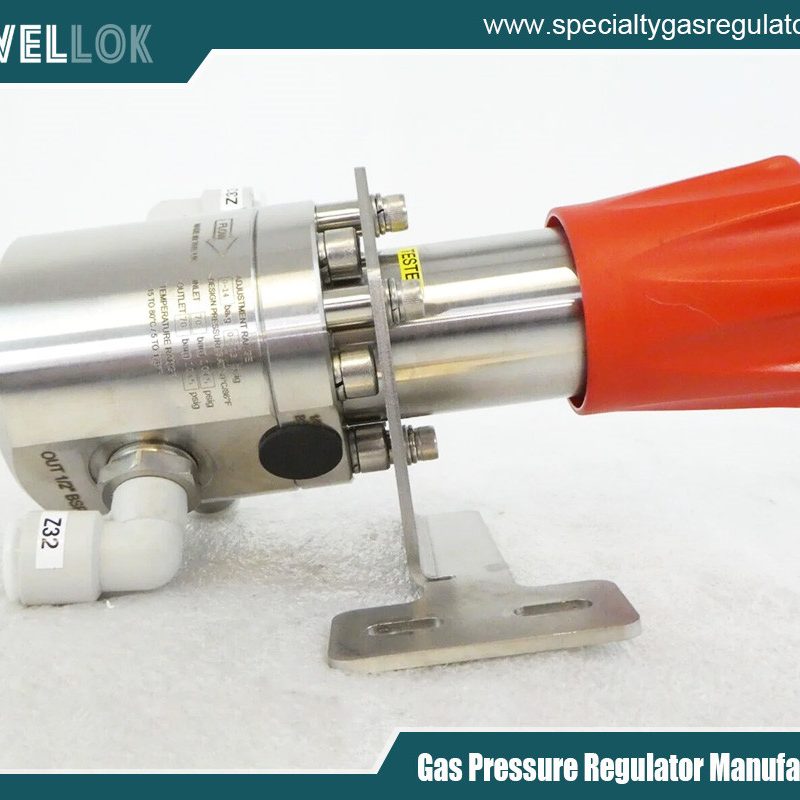
How to Choose an Ultra High Purity Krypton Gas Regulator
In the world of specialty gases, Krypton (Kr) occupies a unique and demanding position. As a rare atmospheric gas, it is both scarce and expensive, often costing between $30 to $100 per liter depending on isotopic purity. Unlike bulk industrial gases where minor contamination is tolerable, Krypton is frequently used in applications where purity is not just a metric—it is the primary specification.
Whether it is being used as an insulative fill gas in energy-efficient windows, a propellant for ion thrusters in satellite technology, or as a detection medium in particle physics experiments, the gas must arrive at the point of use exactly as it left the source. This makes the selection of the Ultra High Purity (UHP) Krypton gas regulator the single most critical junction in the gas delivery system.
Choosing a regulator for Krypton is not the same as choosing one for Nitrogen or Argon. The selection process must account for the gas’s high density, its non-reactive nature, its condensation properties, and its exorbitant replacement cost. Here is a technical, criteria-based guide to selecting the correct UHP regulator for Krypton service.
1. Body Material: The 316L Stainless Steel Mandate
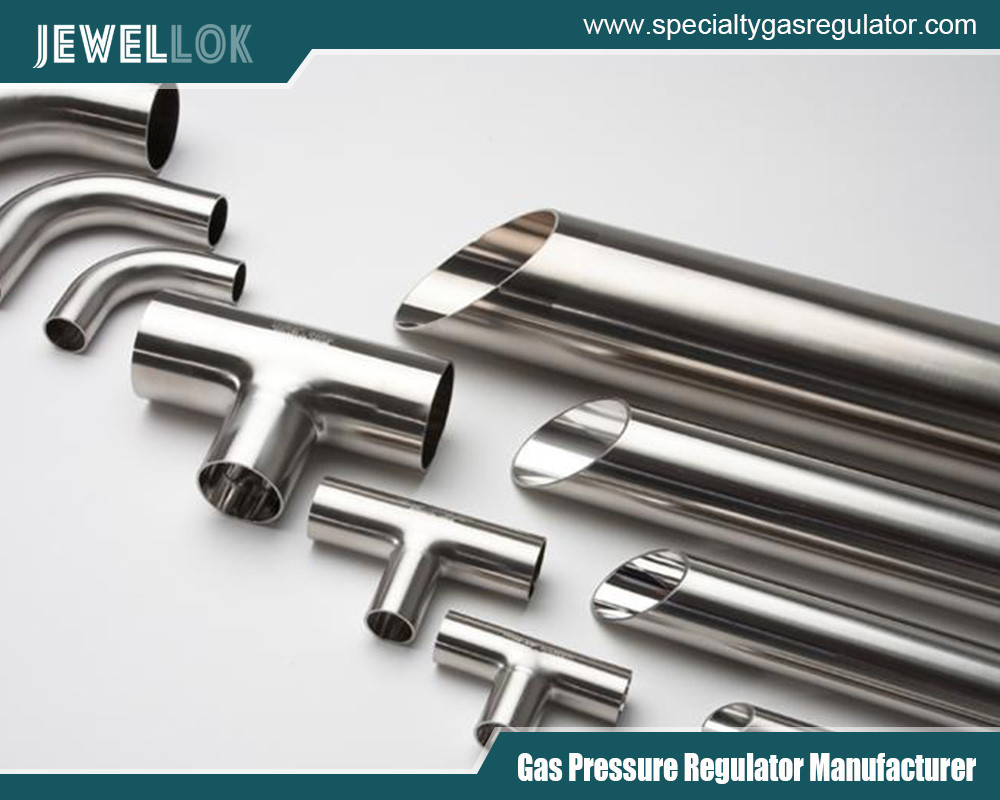
The first decision point in regulator selection is material compatibility. For Krypton, Copper, Brass, and standard 303 Stainless Steel are generally unsuitable.
Why 316L?
-
Corrosion Resistance: While Krypton itself is inert, the environment around the regulator is not. 316L stainless steel offers superior resistance to atmospheric corrosion and pitting compared to brass or 303 SS.
-
Nickel Content: 316L contains higher nickel content. When dealing with high-pressure Krypton, “metal creep” or work hardening can occur. 316L maintains structural integrity under the cyclic loading of cylinder changing.
-
Passivation: 316L allows for a superior electro-polished finish. For Krypton applications requiring parts-per-billion (ppb) purity levels, a rough surface finish traps moisture and hydrocarbons. A 316L body with a 10 Ra (or better) micro-inch finish prevents outgassing.
Recommendation: Avoid brass. Brass is porous on a microscopic level and can trap atmospheric gases which will slowly leach into your Krypton stream.
2. Diaphragm Technology: The Purity Barrier
The single most important component in a UHP regulator is the diaphragm. There are two main types of diaphragm technologies, and the choice here is usually non-negotiable for high-value gases.
A. Elastomeric/Polished Diaphragm Seals
These use rubber or PTFE seals to trap the diaphragm against the body. They are common in general industrial use. Do not use these for Krypton.
-
Risk: Elastomers have “permeability.” Light gases like Helium are known for leaking through elastomers, but heavy gases like Krypton can cause “outgassing.” The elastomer will absorb atmospheric hydrocarbons over time and release them into the Krypton stream.
B. Metal-to-Metal Diaphragm Seals
This is the standard for UHP Krypton.
-
Construction: A multi-layer stainless steel diaphragm is stacked and clamped directly against the metal body of the regulator. No rubber, no plastic.
-
Leak Integrity: This design ensures a leak-tight seal to atmosphere (typically specified at 1×10⁻⁹ mbar·l/s or better). Since Krypton atoms are larger than Helium atoms, achieving this mechanical seal ensures no ambient air diffuses into the gas stream.
Conclusion: Select a regulator with a vacuum-compatible, metal-to-metal diaphragm seal. This ensures that the “pure” Krypton in the high-pressure cylinder is still pure when it exits the low-pressure side.
3. Seat Material: The Flow Path Crossroads
The valve seat is the material that the diaphragm presses against to stop flow. In a UHP regulator, the choice of seat material dictates the gas purity and the longevity of the seal.
PTFE vs. PCTFE (Kel-F):
-
PTFE (Teflon): Soft, provides excellent shut-off, but is porous and prone to “cold flow” (deformation) under pressure. When the regulator is closed, PTFE deforms slightly. When it opens, it can “outgas” trapped moisture.
-
PCTFE (Kel-F): This is the preferred material for high-value, high-density gases like Krypton. PCTFE is harder than PTFE, resists deformation, and has a much lower permeability coefficient.
-
PEEK: Occasionally used, but for non-corrosive Krypton, PCTFE provides the best balance of hardness and sealing capability.
The Physics of it: Because Krypton is a dense gas, it carries kinetic energy as it flows. If the seat is too soft (PTFE), high-velocity Krypton particles can erode the seat material over time, creating particulate contamination. PCTFE resists this erosion.
4. Internal Finish and Volume
Standard industrial regulators have “dead legs”—cavities and threads where gas sits stagnant. When switching from a purge gas to Krypton, or when the cylinder runs low, this trapped volume (often air or moisture) mixes with your expensive Krypton.
Dead Volume Reduction:
Look for regulators described as “low internal volume.” The body should be machined to minimize the space between the high-pressure inlet and the seat. This is often achieved through a “multi-orifice” design or a compact flow path.
Surface Finish:
Specify an electro-polished finish. Electro-polishing removes the “amorphous layer” of metal, revealing a clean, chromium-rich surface. This surface does not absorb water vapor. A standard finish (32-64 Ra) acts like a sponge for moisture; an electro-polished finish (10 Ra or better) allows moisture to be swept away during purging.
5. Defining Delivery Pressure: Vapor Pressure vs. Critical Point
This is a technical point often missed by engineers accustomed to Nitrogen or Air. Krypton has specific thermodynamic properties that must be respected.
Standard Krypton cylinders are pressurized to approximately 2,000–2,600 psi. However, Krypton liquefies relatively easily under pressure. If the ambient temperature drops, liquid Krypton can form in the cylinder.
The Risk:
If your process requires 500 psi but the vapor pressure of Krypton in the cylinder is only 300 psi (because it is cold or partially liquid), the regulator will try to pull gas that doesn’t exist. The regulator will “freeze up” or deliver fluctuating pressure as the liquid slowly boils.
Selection Criteria:
-
Single Stage vs. Dual Stage: For Krypton, Single Stage regulators are often preferred if the inlet pressure is known to be stable and above the vapor pressure. Dual stage regulators offer constant delivery pressure regardless of cylinder pressure decay, but they have more internal components and potential leak paths. For applications requiring precision flow control, ensure the regulator is selected with a delivery pressure range below the expected vapor pressure of Krypton at operating temperature.
6. Connections: The CGA and VCJ Standard
You cannot use standard pipe thread (NPT) for UHP Krypton. Pipe threads seal via thread deformation and dope/tape, which is a direct source of contamination.
CGA Inlet:
Krypton uses CGA 580 (or DISS 718 for high-integrity applications) connections at the cylinder valve. The regulator inlet must match this. Ensure the connection uses nickel gaskets or Teflon-coated aluminum gaskets designed for UHP service.
Outlet:
The outlet must be VCJ-type (Face Seal) or equivalent. VCJ fittings use a metal gasket compressed between two faces to create a metal-to-metal seal. This is the only acceptable method for maintaining ultra-high purity in permanent installations. For temporary lab use, a high-purity compression fitting may be acceptable, but VCJ is the gold standard.
7. Flow Capacity (Cv)
Krypton is heavy. Its specific gravity is roughly 2.8 times that of air. This means that for a given valve opening, less Krypton flows compared to Nitrogen.
-
The Trap: A regulator sized perfectly for Argon will flow significantly less Krypton. If your application requires high flow rates (e.g., purging a vacuum chamber or filling large insulating glass units), you need a regulator with a higher flow coefficient (Cv).
-
Rule of Thumb: Select a regulator with a Cv rating 30-50% higher than you think you need when converting from Nitrogen ratings. If the regulator datasheet provides flow curves for Nitrogen, divide the flow rate by approximately 1.7 to estimate the flow rate for Krypton.
8. The “Pigtail” and System Integration
The regulator does not work in isolation. The inlet “pigtail” (the flexible hose connecting the cylinder to the regulator) is a common weak point.
Standard Hoses: Braided stainless hoses with PTFE liners. For Krypton, these are insufficient if maximum purity is required. PTFE is permeable and will eventually allow atmospheric Nitrogen to permeate into the Krypton stream over long periods (months).
UHP Solution:
Use stainless steel, vacuum-jacketed, or seamless stainless steel capillary tubing as the pigtail. This eliminates permeation entirely. Additionally, the pigtail should be equipped with a high-purity purge valve to allow the line to be evacuated or purged with Argon before introducing the expensive Krypton.
Summary Checklist: The Krypton-Ready Regulator
To consolidate the technical discussion, here is the specification checklist you should use when sourcing an ultra high purity krypton gas regulator:
-
Material: 316L Stainless Steel, Electro-polished finish (10 Ra or better).
-
Diaphragm: Spring-loaded, multi-layer metal diaphragm. No elastomers in the gas path.
-
Seat: PCTFE (Kel-F).
-
Connections: Inlet: CGA 580 / DISS 718. Outlet: 1/4″ male.
-
Leak Rate: External leak integrity of < 1 x 10⁻⁹ mbar·l/s (Helium).
-
Internal Volume: Low dead volume design.
-
Flow: Verify Cv rating against actual Krypton flow requirements.
-
Cleaning: Specify “Oxygen Clean” or “UHP Clean” regardless of use. The cleaning standards for oxygen remove hydrocarbons and particulates that are detrimental to Krypton analysis.
Conclusion
Choosing an ultra high purity krypton gas regulator is an exercise in risk management. The gas is too expensive to waste and too critical to contaminate. While a standard industrial regulator might physically screw onto the cylinder and “work” by allowing gas to flow, it will degrade the gas quality through permeation, outgassing, and particulate shedding.
The correct choice is a 316L stainless steel, metal diaphragm regulator with PCTFE seats and VCJ connections. This assembly functions not just as a pressure reduction device, but as a guardian of purity. In the high-stakes environment of semiconductor manufacturing, research laboratories, or advanced manufacturing, the regulator is not an accessory—it is the final checkpoint for quality assurance. Investing in the correct UHP regulator ensures that the purity you paid for at the cylinder is the purity you utilize in your process.
For more about how to choose an ultra high purity krypton gas regulator, you can pay a visit to Jewellok at https://www.specialtygasregulator.com/product-category/ultra-high-purity-diaphragm-valves/ for more info.
-
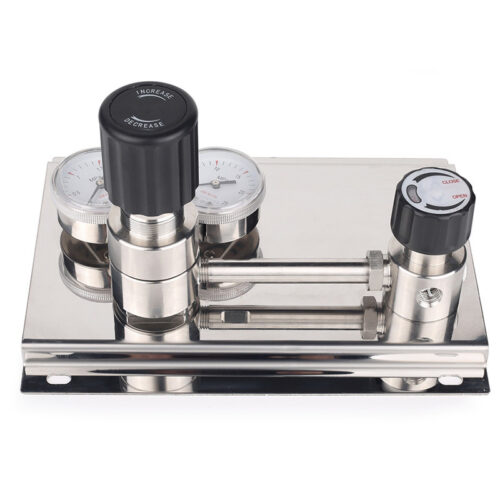
Stainless Steel Fully Automatic Gas Switchover Manifold System Automatic Gas Cylinder Switchover Co2 Cylinder Auto Changeover Controller
-
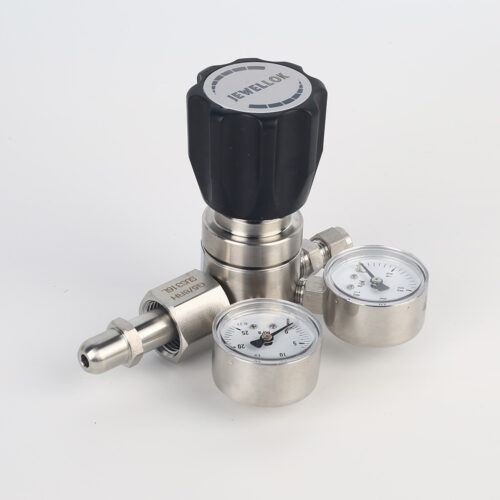
High Purity High Pressure Gas Cylinder Pressure Regulators Pressure Reducing Valve JSR-1E Series
-
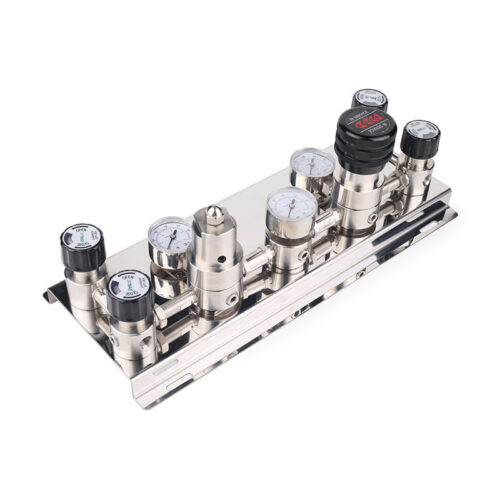
Stainless Steel High Pressure Specialty Gas Changeover Manifold For High Purity Oxygen Nitrogen Argon Helium Hydrogen Co2
-
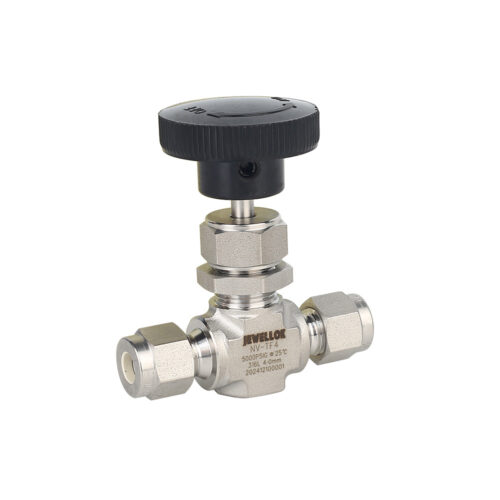
High Purity High Pressure Stainless Steel Needle Valve Natural Gas Flow Control Valve JNV Series
-
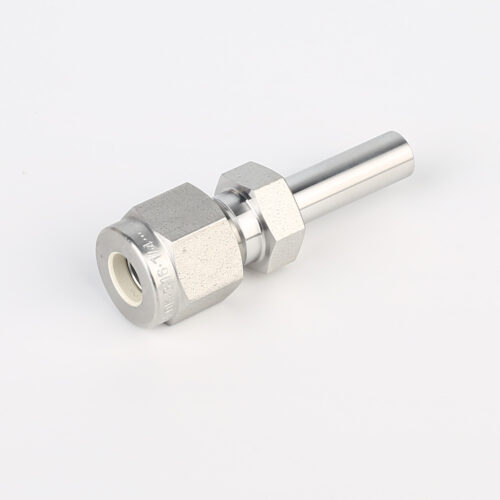
767LT Reducer Pressure Reducing Valve Adjustment High purity Pressure Reducing Union Fittings And Tubing
-
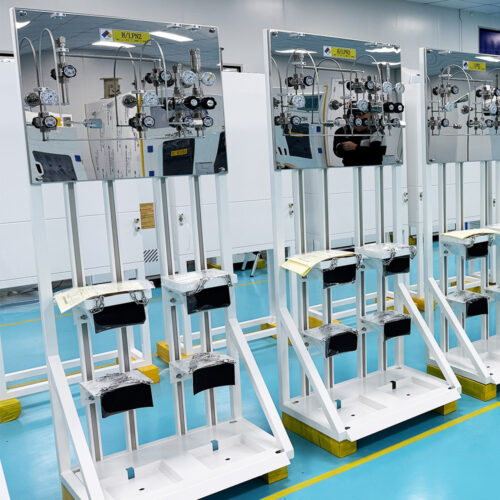
Manual Gas Rack High Purity Gas Delivery Systems JW-100-GR
-
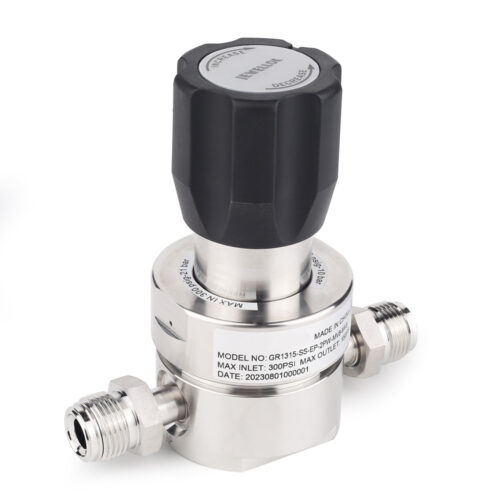
JR1300 Series Ultra High Purity Single Stage Regulator High Flow Line Regulator For Ultra High Purity Intermediate Flow
-
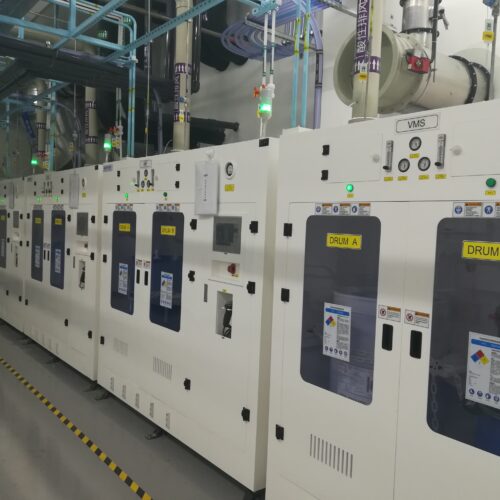
High Purity Liquid Chemical Delivery Systems Designed for Sub Micron Semiconductor Production