
Regulator Manufacturer Tel: +86 13380377051
Regulator Manufacturer Tel: +86 13380377051
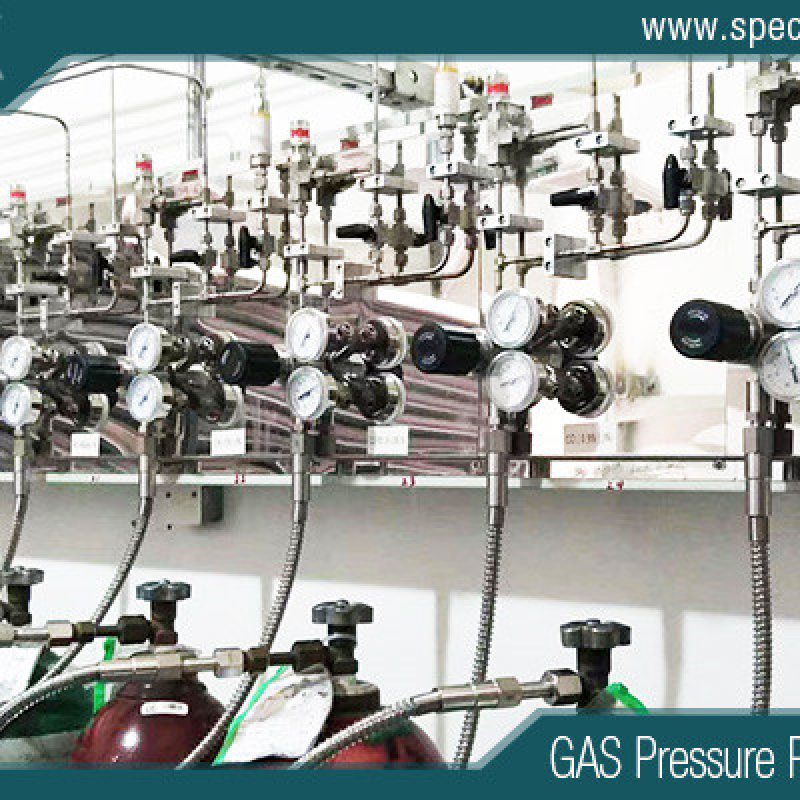
Precision Specialty Gas Regulators for Analytical Instruments are Invisible Guardians of Data Integrity
In the high-stakes world of analytical chemistry, where measurements at the part-per-billion (ppb) or even part-per-trillion (ppt) level dictate critical decisions, every component of the instrumentation chain is scrutinized for its contribution to accuracy, precision, and reliability. While mass spectrometers, chromatographs, and optical detectors often capture the spotlight, their performance is fundamentally anchored by a humble yet supremely critical device: the precision specialty gas regulator. Far more than a simple pressure-reducing valve, these regulators are the first and most crucial interface between the high-pressure gas cylinder and the sensitive analytical instrument. They are the unsung guardians of data integrity, tasked with delivering ultra-pure, chemically consistent, and pressure-stable gas—the very lifeblood of accurate analysis.
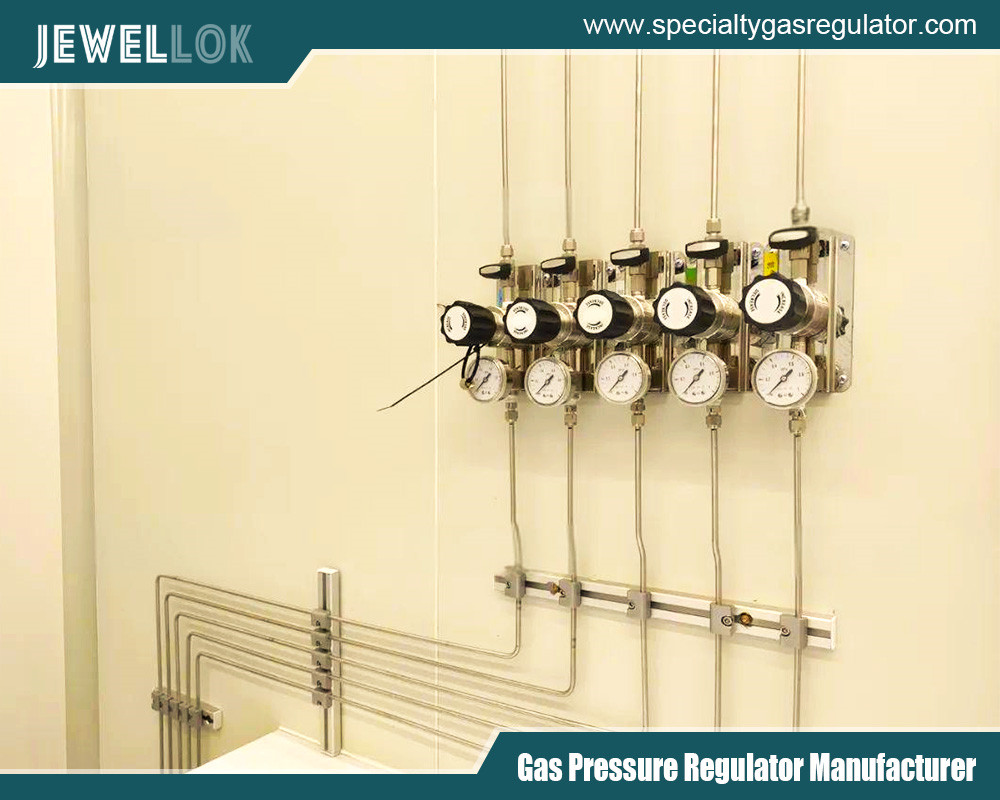
The Critical Role: Beyond Simple Pressure Reduction
Analytical techniques such as Gas Chromatography (GC), Gas Chromatography-Mass Spectrometry (GC-MS), Inductively Coupled Plasma Optical Emission Spectroscopy/Mass Spectrometry (ICP-OES/MS), and various forms of detector gases (e.g., for Flame Ionization Detectors, FIDs) rely on specialty gases with exacting purity. These gases—including zero air, high-purity helium carrier gas, hydrogen fuel gas, argon for ICP, and an array of calibration gas mixtures—must reach the instrument without contamination or alteration.
A standard industrial regulator is ill-equipped for this task. Its internal components may outgas contaminants, its elastomer seals may swell and introduce hydrocarbons, and its pressure control may be too coarse, leading to flow fluctuations that manifest as baseline drift or retention time shifts in a chromatogram. A precision specialty gas regulator is engineered specifically to prevent these failures. Its core mission is threefold:
- Containment of Purity: To preserve the gas composition as it leaves the cylinder, introducing zero additional contaminants.
- Precision Pressure Control: To provide a stable, repeatable outlet pressure despite fluctuations in cylinder pressure, ensuring consistent flow rates.
- Safety and Integrity: To safely contain high pressure and prevent any backward diffusion of atmospheric contaminants into the gas stream.
Design and Engineering: A Deep Dive into Precision
The exceptional performance of these precision specialty gas regulators stems from meticulous design choices in materials, mechanics, and geometry.
- Materials of Construction:
- Stainless Steel (316L or 316L VIM/VAR): The standard for wetted parts. 316L offers excellent corrosion resistance. For the most demanding applications (e.g., semiconductor or trace impurity analysis), regulators made from 316L that has undergone Vacuum Induction Melting and Vacuum Arc Remelting (VIM/VAR) are used. This process drastically reduces inclusions and voids, creating an ultra-smooth, passive surface that minimizes adsorption and desorption of moisture or other contaminants.
- Diaphragms: The heart of the pressure control mechanism. While elastomer diaphragms (e.g., Buna-N, Viton®) are common in general-purpose regulators, precision units often use stainless steel diaphragms. Metal diaphragms eliminate the risk of permeation, outgassing of plasticizers, and reactions with aggressive gases. They provide a hermetic seal, separating the spring chamber from the gas stream entirely.
- Seals: Where seals are necessary, advanced polymers like PTFE (Teflon®) or Kalrez® (Perfluoroelastomer) are employed. These materials offer superior chemical inertness, low outgassing, and compatibility with a vast range of specialty gases, including corrosive and aggressive species like HCl, H₂S, or silanes.
- Surface Finish: Internal passages are polished to a high finish (e.g., 10Ra or better) to reduce surface area where impurities could adsorb and later be released, a phenomenon known as the “memory effect.”
- Internal Volume and Purgeability:
Precision regulators are designed with minimal internal volume (“dead volume”) to facilitate rapid and efficient purging. This is essential when changing cylinders to prevent cross-contamination or lengthy equilibration times. Some designs incorporate purge ports to enable a cross-flow or sweep of the regulator interior, ensuring the purest gas reaches the outlet. - Pressure Control Mechanism:
The stability of the outlet pressure is paramount. Two-stage regulation is common for the highest stability. The first stage handles the large, variable drop from cylinder pressure (e.g., 2000 psi) to an intermediate pressure; the second stage provides a fine, stable output (e.g., 50 psi). The use of a large, sensitive diaphragm and precisely machined valve seats allows for “droop” compensation, maintaining set pressure even as inlet pressure decays. - Gas-Specific Design:
A “one-size-fits-all” approach is unacceptable. Regulators are often dedicated to specific gas families:
- Inert Gases (He, Ar, N₂): Use standard stainless steel and metal diaphragms.
- Corrosive Gases (HCl, HBr, NH₃): Feature all-stainless or Monel construction, with compatible seals, and may use a diaphragm that isolates the spring chamber from the gas.
- Pyrophoric Gases (Silane, Phosphine): Employ specialized designs with integrated check valves and flame arrestors to prevent upstream ignition.
- Toxic Gases: Often come as part of a dedicated, fully contained gas cabinet system with excess flow valves and additional safety shut-offs.
Key Selection Criteria for the Application
Choosing the correct regulator is a systematic process. Misselection can lead to poor data, instrument damage, or safety hazards.
- Gas Type and Purity: Match the regulator material to the gas’s corrosiveness and reactivity. The required gas purity (e.g., 99.9999% vs. 99.999%) dictates the level of cleanliness (VIM/VAR vs. standard 316L).
- Inlet and Outlet Pressure Requirements: Ensure the regulator’s maximum inlet pressure (MIP) exceeds the cylinder pressure and that its outlet pressure range covers the instrument’s needs. Delivery pressure (outlet pressure) accuracy is typically ±1-5% of full scale for precision units.
- Flow Capacity (Cv): The regulator must be sized to deliver the required flow rate without excessive droop or locking up. Undersizing restricts flow; oversizing can lead to poor control at low flows.
- Leak Integrity: Look for specified leak rates, both internal (from high to low pressure side) and external, often expressed as Helium atm cc/sec. For ultra-trace work, external leak integrity is critical to prevent atmospheric oxygen/nitrogen/moisture from contaminating the sample or carrier gas stream.
- Connections: Ensure compatibility with cylinder valves (CGA, DIN, BS connections) and instrument inlet fittings (e.g., 1/4″ or 1/8″ VCJ®, Swagelok®).
- Safety Features: Depending on the gas, features like built-in pressure relief devices (PRDs), check valves, and filtered vents become essential.
Applications Across Analytical Domains
- GC & GC-MS: A stable, clean supply of helium carrier gas is non-negotiable. Contaminants or pressure fluctuations cause baseline noise, shifting retention times, and ghost peaks, compromising qualitative and quantitative analysis. Dedicated, high-purity regulators for carrier, fuel (H₂), and oxidizer (Zero Air) gases are mandatory.
- ICP-OES/MS: This technique is voracious for argon (up to 15-20 L/min). The regulator must handle this high flow while maintaining stability, as plasma stability directly affects sensitivity and precision. Any hydrocarbon contamination can create carbon-based polyatomic interferences.
- Pharmaceutical & Life Sciences: In processes like Headspace GC or reaction monitoring, precise mixtures of gases or the use of reactive gases like hydrogen require dedicated, contaminant-free regulation to ensure batch consistency and product safety.
- Environmental Monitoring: Continuous emissions monitors (CEMs) and ambient air analyzers use calibration gas mixtures containing trace amounts of SO₂, NOx, or VOCs. The regulator must deliver these mixtures without adsorbing the very analytes of interest, which would lead to inaccurate calibration and reporting.
- Semiconductor Fabrication: The most demanding environment. Processes like chemical vapor deposition (CVD) use ultra-high purity (UHP) and often hazardous gases (e.g., arsine). Regulators here are part of integrated gas systems (IGS) with ultra-high integrity, ultra-low internal volume, and particle filtration to sub-micron levels.
Installation, Maintenance, and Best Practices
Even the best regulator can fail if mishandled. Proper practice is key:
- Installation: Always use a new, gas-compatible gasket or seal on the cylinder connection. Purge the regulator before connecting it to the instrument by briefly opening and closing the cylinder valve with the regulator outlet vented (safely to a hood or exterior).
- Dedication: Once used for a specific gas or mixture, dedicate the regulator to that gas permanently. Label it clearly.
- Leak Checking: Regularly check all connections with a leak detection solution approved for the gas in use.
- Maintenance: Follow manufacturer guidelines. Contaminated or damaged regulators should be returned to the factory for specialized cleaning and repair, not serviced in-house.
The Future: Smart Regulators and Enhanced Integration
The evolution continues towards greater control and data transparency. “Smart” regulators with integrated pressure transducers, temperature compensation, and digital communication (e.g., via Modbus, DeviceNet, or wireless protocols) are emerging. These can provide real-time pressure data, track usage for predictive cylinder change-out, log performance, and even be integrated into the instrument’s control software, creating a fully monitored and controlled gas delivery ecosystem.
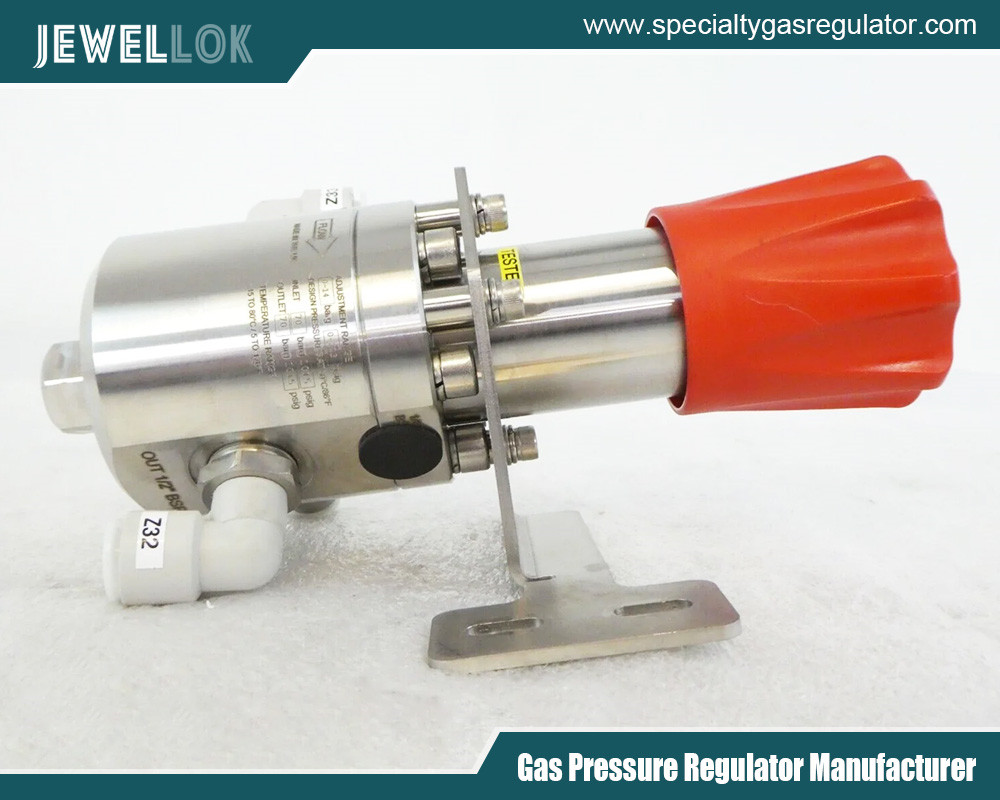
Conclusion
In the quest for definitive analytical results, the precision specialty gas regulator stands as a fundamental, if often overlooked, pillar of success. It is a masterpiece of focused engineering where material science, mechanical design, and application knowledge converge. By ensuring the pristine and stable delivery of the gases that fuel separation, ionization, and detection, these devices uphold the very foundation of analytical validity. For any scientist or technician, understanding and investing in the correct precision regulator is not merely a procurement decision—it is a direct investment in the credibility of their data, the efficiency of their laboratory, and the safety of their operations. In the silent, precise world of analytical instrumentation, the regulator is indeed the vigilant guardian at the gate.
For more about precision specialty gas regulators for analytical instruments are invisible guardians of data integrity, you can pay a visit to Jewellok at https://www.specialtygasregulator.com/product-category/specialty-gas-cabinet/ for more info.
-
Ultra High Purity Diaphragm Valves and Pressure Regulators for Reliable Ultra High Purity Liquid Chemical Handling Systems
-
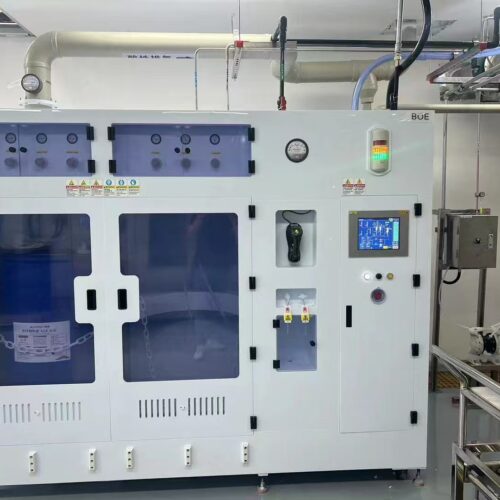
Chemical Delivery Modules for Automated Blending and Precise Dilution in Modern Wafer Cleaning Applications
-
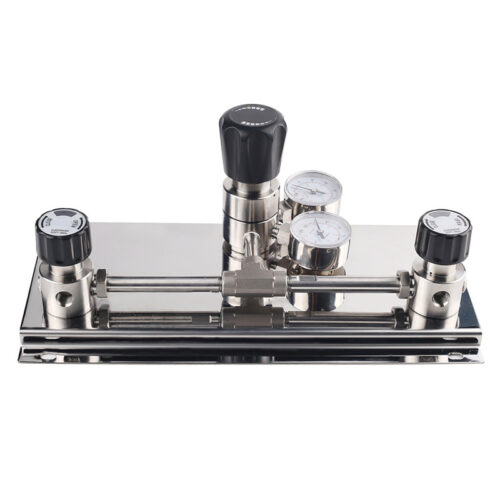
Semi Automatic Oxygen Nitrogen Helium Argon Gas Changeover Manifold Manual Gas Changeover Manifold Panel For Gas Cylinders
-
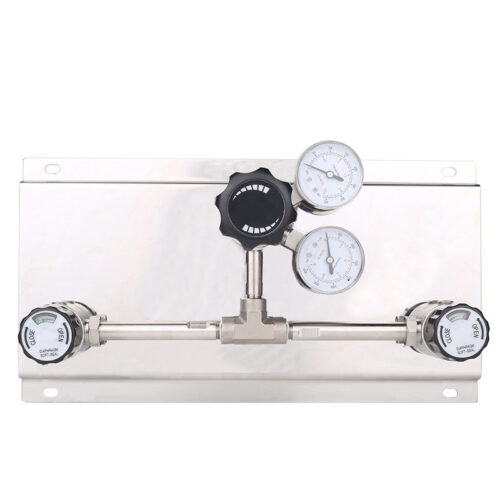
High Pressure High Flow Specialty Gas Control Panel With Diaphragm Valve , 3000Psig Oxygen Control Medical Changeover Manifold Panel
-
UHP Liquid Chemical Delivery Systems for Semiconductor Fabrication and Photovoltaic Manufacturing Processes
-
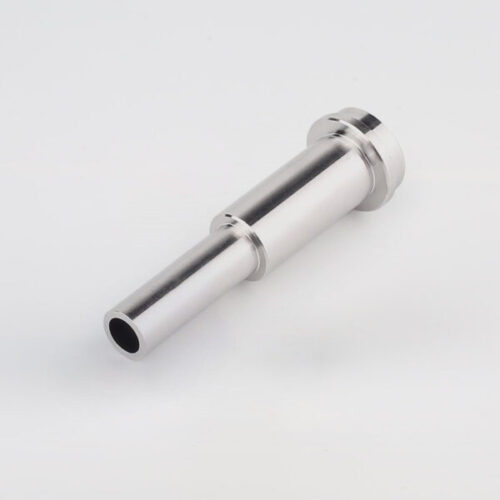
Long Gland LG Series For Ultra High Purity Gas And Chemical Delivery Systems
-
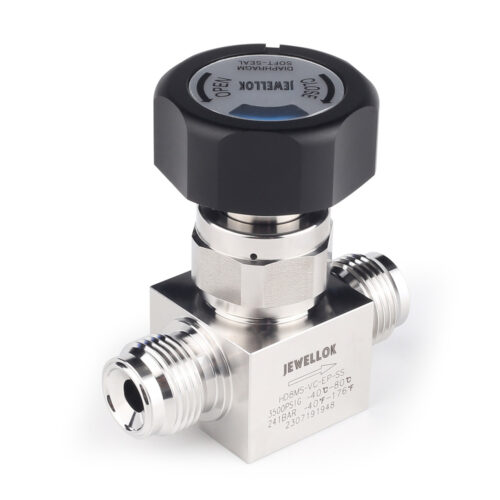
Stainless Steel Ultra High Purity (UHP) High Pressure Manual Diaphragm Valve
-
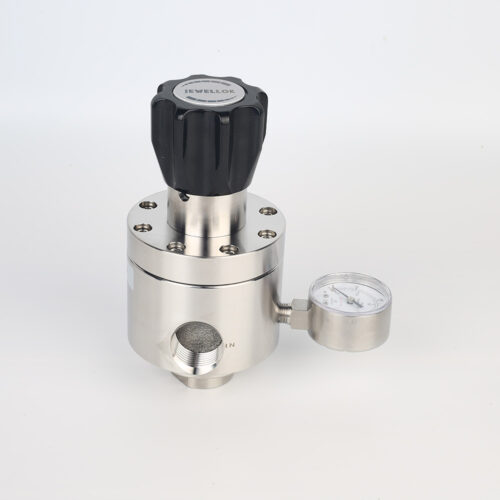
Low Pressure High Flow Line Pressure Regulators And Control Valves JSR-4L Series For Laboratory Pressure Control